Post Your Needs

Porto Beige Limestone

Beige - Limestone

Portugal

About

Item Details

Material Type:
Limestone
Origin:
Portugal (Prazeres de Aljubarrota, Alcobaca, Estremadura)
Primary Color(s):
Beige
Recommended Usage:
Kitchen and bathroom countertops, commercial tops, gravestones, wall panels, building stone, ornamental stone, interior, exterior wall applications, wash basins, stairs, mosaic, waterjet pattern
Additional Names:
Porto Beige, Portuguese Beige Limestone, Moleanos Limestone, Portugal Beige Limestone, Gascogne Beige Limestone, Gascogne Beje, Gascogne Mix Limestone, Gascoigne Beige Limestone, Vidraco de Molianos Creme Limestone, Moleanos Beige Limestone, Chatel Limestone, Creme de Moleanos Limestone, Moleanos Cream Limestone, Moleanos Creme Limestone, Monta Creme Limestone, Vidraco de Moleanos Creme Limestone, Calcario Vidraco de Moleanos, Pierre Roche de Montagne, Calcairo Fonjone, in China stone market:葡萄牙米黄(Pútáoyá mǐhuáng), Porto Beige Limestone
Finished Surface:
Polished,Bush Hammered,Tumbled,Brushed,Honed,Split,Machine Cut,Natural Surface,Sandblasted,Acid Washing,Combed,Leathered,Water Jet,Filled,Chiseled,Pickling

Testing

Water Absorption:
1.73 By weight %
Density:
2567 kg/m3
Flexural Strength:
10.8 MPa
Compressive Strength:
95.3 - 103.0 MPa

Description

Porto Beige Limestone is a beautiful and versatile natural stone that offers a warm and inviting aesthetic. It is commonly used in architectural and design projects due to its unique characteristics. Here is a description of Porto Beige Limestone:

Appearance:

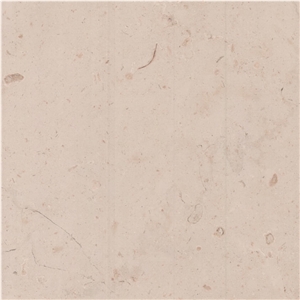
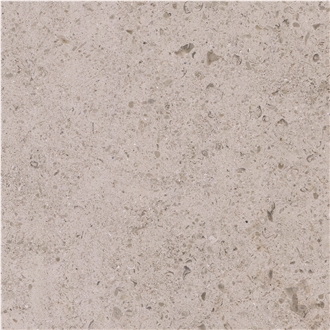
Porto Beige Limestone features a predominantly beige or sandy color with subtle variations in tone. It exhibits a soft and warm appearance that brings a sense of comfort and tranquility to any space. The stone may have occasional veining or fossil markings, adding an interesting visual texture to its overall look.

Texture:

Porto Beige Limestone typically has a smooth and honed texture, offering a soft and tactile feel. It has a matte or satin-like finish, providing a refined and sophisticated appearance. The honed finish also helps to showcase the stone's natural colors and texture while maintaining a non-reflective surface.

Durability:

Limestone, including Porto Beige Limestone, is a durable natural stone. However, it is important to note that limestone is softer compared to other stone types like granite or quartzite. While it can withstand normal use, it may be more susceptible to scratches and etching from acidic substances. Proper sealing and regular maintenance are necessary to preserve its appearance and protect it from potential damage.

Versatility:

Porto Beige Limestone is versatile and suitable for a wide range of applications. It is commonly used for flooring, wall cladding, fireplace surrounds, and bathroom vanities. Its warm and neutral tones allow it to complement various design styles, from traditional to contemporary, making it a popular choice among designers and architects.

Applications:

Porto Beige Limestone can be applied both indoors and outdoors. It adds a touch of natural beauty to residential and commercial spaces alike. It is often used in living areas, kitchens, bathrooms, and outdoor patio areas, creating a harmonious and inviting atmosphere.

Origin:

Porto Beige Limestone is quarried in Portugal, particularly in the region of Porto. Portugal is known for its high-quality limestone reserves and has a rich history of stone extraction and craftsmanship. Porto Beige Limestone reflects the beauty and authenticity of the region's natural stone resources.

In summary, Porto Beige Limestone is a versatile and aesthetically pleasing natural stone quarried in Portugal. With its warm beige color, soft texture, and durability, it adds a sense of comfort and elegance to various architectural and design projects. Whether used for flooring, wall cladding, or other applications, Porto Beige Limestone brings a touch of natural beauty and timeless charm to any space.

Porto Beige Limestone: 3-4

Mineralogical Composition, % wt:

  • Calcite: 90%
  • Dolomite: 5%
  • Quartz: 3%
  • Feldspar: 2%

Chemical Analysis:

  • CaO (Calcium oxide): 55-65%
  • MgO (Magnesium oxide): 0.5-1.5%
  • SiO2 (Silicon dioxide): 1-3%
  • Al2O3 (Aluminum oxide): 0.1-0.5%
  • Fe2O3 (Iron oxide): 0.05-0.2%
  • Na2O (Sodium oxide): 0.05-0.2%
  • K2O (Potassium oxide): 0.05-0.2%
  • SO3 (Sulfur trioxide): 0.1-0.3%
  • LOI (Loss on ignition): 40-45%

Note: These values may vary depending on the specific sample and location of the Porto Beige limestone.

FAQ

What is the difference between tumbled and brushed Porto Beige Limestone?

Tumbled Porto Beige Limestone has a slightly rougher and more textured surface compared to brushed Porto Beige Limestone, which has a smoother and more refined look. Tumbled limestone is achieved by tumbling the tiles in a machine with abrasive materials, creating a more aged and rustic appearance, while brushed limestone is achieved by brushing the surface of the tiles with a wire brush, creating a more polished and sophisticated look. Ultimately, the choice between tumbled and brushed Porto Beige Limestone comes down to personal preference and the desired aesthetic for the space.

Does tumbled Porto Beige Limestone tile easy stain?

Porto Beige Limestone is a natural stone and like all natural stones, it can be prone to staining if not properly sealed and maintained. Tumbled limestone is more porous than polished limestone, so it may be more susceptible to staining. It is important to seal the tile regularly to protect it from stains and spills. Additionally, it is important to clean up spills promptly and avoid using harsh chemicals or cleaning agents that could damage the stone. With proper care and maintenance, tumbled Porto Beige Limestone tile can be a beautiful and durable flooring option.

Is tumbled Porto Beige Limestone floor slippery?

Tumbled Porto Beige Limestone floors may be slightly slippery when wet, as the tumbled finish creates a textured surface that can provide some traction. However, it is always important to exercise caution when walking on any wet or polished surfaces to prevent slips and falls. Adding rugs or mats in high traffic areas may also help to reduce the risk of slipping.

Can Porto Beige Limestone be tumbled?

Yes, Porto Beige Limestone can be tumbled to achieve a rustic and aged appearance. Tumbling is a process that involves roughening and distressing the surface of the limestone by tumbling it with abrasive materials. This gives the stone a textured, antique look that can add character to floors, walls, or other surfaces. Tumbled Porto Beige Limestone can be used for a variety of interior and exterior applications, such as flooring, walls, countertops, and patios.

What is the best height for a Porto Beige Limestone balustrade?

The best height for a Porto Beige Limestone balustrade would typically be around 36 inches (3 feet) to 42 inches (3.5 feet) in height. This height is recommended for both safety and aesthetic reasons, ensuring that the balustrade provides proper support and protection while also maintaining a visually pleasing proportion with the surrounding elements. Ultimately, the specific height may vary depending on the intended use and design of the balustrade, so it is important to consult with a professional designer or architect to determine the best height for your specific project.

How can I get scratches out of Porto Beige Limestone countertop?

To remove scratches from a Porto Beige Limestone countertop, you can follow these steps: 1. Start by cleaning the surface of the countertop with a mild soap and water solution to remove any dirt or debris. Allow the countertop to dry completely before proceeding. 2. Use a fine-grit sandpaper or a diamond polishing pad to gently buff out the scratches on the surface of the limestone. Be sure to use a light touch and work in a circular motion to avoid causing further damage to the stone. 3. If the scratches are deep, you may need to use a more abrasive method such as wet sanding with a higher grit sandpaper or using a stone polishing compound. Be sure to follow the manufacturers instructions for the product you are using and test it in an inconspicuous area first. 4. After buffing out the scratches, clean the countertop again with a mild soap and water solution and dry it thoroughly. 5. Apply a stone sealant to protect the newly polished surface and prevent further scratches from occurring. Follow the manufacturers instructions for application and reapplication of the sealant as needed. By following these steps, you should be able to effectively remove scratches from your Porto Beige Limestone countertop and restore its natural beauty.

Does Porto Beige Limestone scratch easily?

Porto Beige Limestone is a durable natural stone, but like any other type of limestone, it can be susceptible to scratching if not properly cared for. To prevent scratching, it is important to avoid dragging heavy furniture or sharp objects across the surface of the limestone. Regular cleaning and sealing can also help to maintain the appearance of the stone and reduce the likelihood of scratching.

How to get wine stain out of Porto Beige Limestone countertop?

If you have a wine stain on your Porto Beige Limestone countertop, here are a few steps you can take to try to remove it: 1. Mix a paste of baking soda and water and apply it to the stain. Let it sit for a few hours or overnight to help absorb the stain. 2. Gently scrub the paste into the stain using a soft-bristled brush or sponge. 3. Rinse the area with water and wipe it dry with a clean cloth. 4. If the stain is still there, you can try using a poultice made of hydrogen peroxide and a powdered absorbent material (such as talcum powder or diatomaceous earth). Apply the poultice to the stain, cover it with plastic wrap, and let it sit for 24-48 hours before removing and rinsing the area. 5. If the stain persists, you may need to contact a professional stone cleaner or restoration specialist for specialized treatment. Its important to note that limestone is a porous stone and can be prone to staining, so its best to clean up spills as quickly as possible to prevent them from setting in. Additionally, avoid using harsh chemicals or abrasive cleaners on limestone countertops, as they can damage the stone.

Is Porto Beige Limestone good for kitchen countertops?

Yes, Porto Beige Limestone is a popular choice for kitchen countertops due to its durability and aesthetic appeal. Limestone is a natural stone that can add a timeless and elegant look to your kitchen. However, it is important to note that limestone is a more porous stone compared to granite or quartz, so it may require more maintenance to prevent staining and etching. Additionally, limestone is sensitive to acidic substances, so it is important to use cutting boards and trivets to protect the surface. Overall, Porto Beige Limestone can be a beautiful and unique choice for kitchen countertops if properly cared for.

Products & Prices

View More

Hot Beige Limestone

New Limestone

Post Your Request

The request includes:
  1. surface finished, size
  2. quantity required