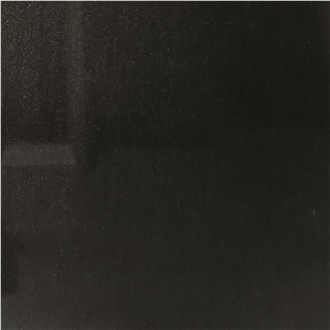
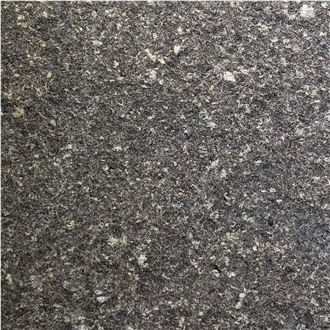
Rajasthan Black Basalt

About
Item Details
- Material Type:
- Basalt
- Origin:
India (Rajasthan) - Primary Color(s):
- Black
- Recommended Usage:
- Kitchen and bathroom countertops, monuments, building stone, ornamental stone, stairs, interior, exterior wall and floor applications, mosaic, waterjet pattern, wall panels, table tops, window sills, balustrades, columns, wall and pool copings, pool pavers, sculptures, fireplaces, pavers, cobbles, curbstone
- Additional Names:
- India Black Basalt, Raj Black Basalt, Rajasthan Black Basalt
- Finished Surface:
- Polished,Flamed,Bush Hammered,Tumbled,Brushed,Honed,Split,Machine Cut,Natural Surface,Sandblasted,Acid Washing,Combed,Leathered,Water Jet,Filled,Chiseled,Pickling
Testing
- Water Absorption:
- 0.5 - 0.75%
- Density:
- 2850 - 2950 Kg/m³
- Flexural Strength:
- 12 - 13 MPa
- Compressive Strength:
- 130 - 170 MPa
- Stone texture:
- a dense, fine-grained igneous volcanic stone, quarried in Rajasthan and valued for its deep charcoal to jet-black color, exceptional strength, and contemporary architectural appeal
Description
Rajasthan Black Basalt is a dense and durable fine-grained igneous volcanic stone that is quarried in the state of Rajasthan, India. Known for its striking deep charcoal to jet-black color, this stone is popular in various architectural and design applications due to its strength and modern appeal. Below is a detailed description of its properties, compositions, uses, maintenance, and available options.
Physical and Mechanical Properties
- Water Absorption: Typically low, often between 0.5% to 0.75%
- Density: Approximately 2.85 - 2.95 g/cm³
- Flexural Strength: Around 12 - 13 MPa (Megapascals)
- Compressive Strength: Typically ranges from 130 - 170 MPa
- Hardness: 6 - 7 on Mohs scale
- Porosity: Less than 2%, indicating high density and low porosity
- Slip Resistance: Moderate to high, depending on the finish applied, with honed and flamed finishes offering better slip resistance
Chemical and Mineral Composition (Typical % by Weight)
- Silica (SiO2): 45% - 55%
- Alumina (Al2O3): 10% - 15%
- Iron Oxide (Fe2O3): 5% - 15%
- Magnesium Oxide (MgO): 5% - 10%
- Calcium Oxide (CaO): 5% - 10%
- Sodium Oxide (Na2O) and Potassium Oxide (K2O): 2% - 5%
- Other Trace Minerals: 1% - 3%, which may include titanium, manganese, etc.
Usage
- Flooring and Paving: Due to its durability and slip resistance
- Wall Cladding: For both interior and exterior applications
- Countertops and Vanities: Highly sought after for its aesthetic appeal
- Staircases and Steps: Durable and stylish
- Monumental and Sculptural Constructions: For memorials and sculptures
- Landscape Design: As garden steps, retaining walls, and decorative features
Maintenance
- Cleaning: Use a pH-neutral, non-abrasive cleaner to maintain appearance
- Sealing: Periodic sealing recommended to enhance longevity and stain resistance
- Avoidance: Avoid acidic and harsh chemical cleaners to prevent surface damage
Cutting Sizes and Common Surface Finish Options
Cutting Sizes (cm)
- Custom sizes available upon request
- Standard tile sizes include 30x30, 30x60, 60x60, and 60x90
- Slabs available in thicknesses of 2 cm and 3 cm, with other thicknesses available by special order
Common Surface Finishes
- Polished: Highly reflective, enhances color and pattern
- Honed: Smooth, matte finish offering a less glossy look
- Flamed: Rough-textured surface with excellent slip resistance, suitable for outdoor use
- Bush-hammered: Rough finish, enhancing slip resistance for external areas
- Leathered: Soft, textured finish that adds depth and reveals natural characteristics
Rajasthan Black Basalt is an aesthetically appealing and structurally robust choice for a variety of architectural and design projects due to its unique attributes, making it a versatile stone in modern construction.
FAQ
Yes, Indias Rajasthan Black Basalt can be used in a bathroom. Basalt is a natural stone that is known for its durability and versatility, making it suitable for various applications, including bathrooms. It is commonly used for bathroom countertops, flooring, wall cladding, and shower walls. Rajasthan Black Basalt is particularly popular due to its elegant black color and unique texture, which can add a sophisticated and modern look to a bathroom. Additionally, basalt is resistant to water, stains, and heat, making it a practical choice for a bathroom environment.
What is the coefficient of friction of Leathered India's Rajasthan Black Basalt tiles?
The coefficient of friction of Leathered Indias Rajasthan Black Basalt tiles can vary depending on various factors such as the specific type of leathering finish applied to the tiles, the surface roughness, and the presence of any sealants or coatings. It is recommended to contact the manufacturer or supplier of the tiles for accurate information on the coefficient of friction.
Can India's Rajasthan Black Basalt be used exterior applications in very rainy climates?
Yes, Indias Rajasthan Black Basalt can be used for exterior applications in very rainy climates. Basalt is known for its high durability and resistance to water, making it suitable for outdoor use even in areas with heavy rainfall. Additionally, the Rajasthan Black Basalt has a dense composition and low porosity, further enhancing its ability to withstand moisture and prevent water damage. However, as with any natural stone, regular cleaning and maintenance should be carried out to ensure its longevity in such conditions.
Can India's Rajasthan Black Basalt be used in landscaping?
Yes, Indias Rajasthan Black Basalt can be used in landscaping. Basalt is a volcanic rock that is highly durable, making it suitable for different landscaping applications. Its dark black color gives a sleek and modern look to any outdoor space. It can be used for constructing pathways, driveways, patio surfaces, and even for creating decorative features such as walls and water features. Additionally, Rajasthan Black Basalt is known for its strength and resistance to weathering, making it a reliable choice for landscaping projects.
Are there color variations of India's Rajasthan Black Basalt?
Yes, there can be slight variations in the color of Rajasthan Black Basalt. The most common color is a dark grey or black, but there can be variations in shades of grey and even hints of brown or green. This can depend on factors such as the location of the quarry and the specific geological composition of the stone. Additionally, variations in processing and finishing techniques can also affect the final color appearance.
Can India's Rajasthan Black Basalt be used outdoors?
Yes, Rajasthan Black Basalt can be used outdoors. It is a commonly used natural stone for various outdoor applications such as pathways, driveways, garden features, paving, cladding, and landscaping. It is known for its durability and resistance to weathering, which makes it suitable for withstanding outdoor conditions. Additionally, its black color and textured surface provide an aesthetic appeal to outdoor spaces.
How thick is India's Rajasthan Black Basalt slabs?
I dont have access to up-to-date information on the thickness of Indias Rajasthan Black Basalt slabs. However, a common thickness for natural stone slabs in general is around 2-3 cm. Its best to check with a local stone supplier or manufacturer for accurate information.
What grade is India's Rajasthan Black Basalt?
I do not have access to the specific grading system for Rajasthan Black Basalt in India. It is best to consult with a reliable supplier or an expert in the field of stone grading for accurate information.
Is India's Rajasthan Black Basalt an expensive stone?
I do not have information on the current market conditions and stone prices. However, the cost of Rajasthan black basalt varies depending on factors like quality, quantity, market demand, and location. It is best to consult with a local stone supplier or contractor to obtain accurate pricing information.


1YR