Post Your Needs

Santa Blanca Quartzite

Quartzite

Brazil

About

Item Details

Material Type:
Quartzite
Origin:
Brazil
Recommended Usage:
kitchen and bathroom countertop, wash basins, building stone, ornamental stone, stairs, interior wall and floor applications, mosaic, water-jet pattern, wall panels, table tops, balustrades, columns, fireplaces, luxury furniture
Additional Names:
Casa Blanca Quartzite, Casablanca Quartzite
Finished Surface:
Polished,Bush Hammered,Tumbled,Brushed,Honed,Split,Machine Cut,Natural Surface,Sandblasted,Combed,Leathered,Water Jet,Chiseled,Pickling

Testing

Water Absorption:
0.08 – 0.25%
Density:
2640 – 2720 kg/m³
Flexural Strength:
15 – 17 MPa
Compressive Strength:
170 – 190 MPa

Description

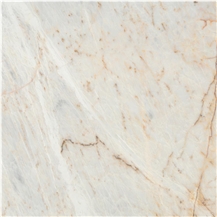
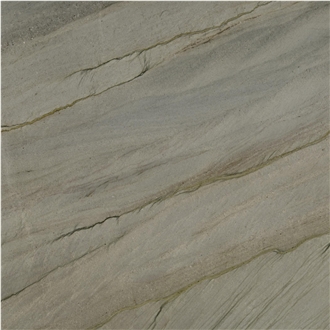
Santa Blanca Quartzite is an elegant natural quartzite quarried in Brazil, celebrated for its soft creamy white to bright white background enriched by graceful sweeping veins in shades of gray, gold, and earthy beige. The stone exhibits a refined and sophisticated appearance, combining the purity of a white surface with the warmth and movement of naturally flowing mineral veining. Its distinctive pattern creates a luxurious visual effect that complements both contemporary and classic architectural styles. Due to its high quartz content, Santa Blanca Quartzite offers exceptional durability while maintaining the aesthetic appeal commonly associated with premium marble.

Color, Texture & Pattern

Santa Blanca Quartzite features a luminous white background ranging from creamy ivory-white to crisp bright white. Elegant gray, golden, beige, and occasional taupe veins traverse the surface in broad sweeping movements, creating a dynamic yet harmonious pattern. The stone possesses a medium-grained crystalline texture with tightly interlocked quartz crystals that provide subtle natural brilliance. Each slab exhibits unique veining characteristics, ensuring a distinctive appearance while maintaining overall consistency.

Petrographic Analysis (% by Weight)

  • Quartz: 92–96%
  • Feldspar: 2–4%
  • Muscovite: 1–2%
  • Biotite: Trace–1%
  • Iron-bearing Minerals: Trace–1%
  • Accessory Minerals: Trace

Chemical Composition (% by Weight)

  • SiO₂ (Silica): 93–97%
  • Al₂O₃ (Alumina): 1–3%
  • K₂O: 0.5–2%
  • Na₂O: 0.5–1.5%
  • Fe₂O₃: 0.1–0.8%
  • MgO: Trace–0.5%
  • CaO: Trace–0.5%
  • Other Trace Elements: <0.5%

Physical & Mechanical Properties

  • Apparent Density: 2,640–2,720 kg/m³
  • Water Absorption: 0.08–0.25%
  • Compressive Strength: 170–190 MPa
  • Flexural Strength: 15–17 MPa
  • Abrasion Resistance: High
  • Frost Resistance: Excellent
  • Impact Resistance: High
  • Weather Resistance: Excellent
  • Mohs Hardness: 6.5–7.0

The high quartz content provides outstanding scratch resistance and durability, making Santa Blanca Quartzite suitable for demanding residential and commercial applications.

Surface Finish Options

Santa Blanca Quartzite can be supplied in a variety of finishes: Polished, Honed, Leathered, Brushed, Tumbled, Sandblasted, Bush-Hammered, Waterjet-Cut, Machine-Cut

Applications

Interior Applications

  • Kitchen Countertops
  • Waterfall Islands
  • Bathroom Vanity Tops
  • Feature Walls
  • Interior Flooring
  • Fireplace Surrounds
  • Staircases
  • Reception Counters

Exterior Applications

  • Building Facades
  • Exterior Wall Cladding
  • Outdoor Kitchens
  • Pool Copings
  • Landscape Features
  • Patios and Terraces
  • Exterior Flooring

Advantages

  • Elegant white background with luxurious natural veining
  • Exceptional hardness and scratch resistance
  • Low water absorption
  • Suitable for both interior and exterior use
  • Excellent resistance to weathering and temperature variations
  • Unique slab-to-slab character
  • Marble-like beauty with superior quartzite durability

Maintenance

To preserve the natural beauty of Santa Blanca Quartzite:

  • Clean regularly using pH-neutral stone cleaners.
  • Avoid acidic or highly alkaline cleaning agents.
  • Wipe spills promptly, especially oils and colored liquids.
  • Use coasters and trivets on kitchen surfaces.
  • Apply a penetrating sealer periodically, depending on usage conditions.
  • Avoid abrasive cleaning pads and harsh chemicals.

Recommended Uses

Santa Blanca Quartzite is particularly suited for luxury residential projects, hospitality developments, commercial interiors, high-end kitchen countertops, bathroom installations, feature walls, and architectural cladding where both visual elegance and long-term performance are required. Its combination of bright white tones, flowing gold and gray veining, and exceptional durability makes it one of the most versatile and desirable Brazilian quartzites available.

FAQ

Can I mix cleaning vinegar and Dawn dish soap together to clean a Santa Blanca Quartzite countertop?

Yes, you can mix cleaning vinegar and Dawn dish soap to clean a Santa Blanca Quartzite countertop, but its important to consider a few things. Vinegar is acidic and may potentially damage natural stone surfaces like quartzite over time. While a one-time use might not be immediately harmful, repeated use could etch or dull the surface. Its often recommended to use pH-neutral cleaners for natural stone countertops to maintain their finish and longevity. If you choose to proceed, mix the vinegar and dish soap in a small amount and use a soft cloth or sponge to apply it to a small, inconspicuous area first to test for any adverse reactions. Rinse thoroughly with water afterwards to ensure no residue remains. For regular cleaning, using a cleaner specifically designed for natural stone is a safer option.

Is Santa Blanca Quartzite durable enough for use as outdoor terrace pavers?

Santa Blanca Quartzite is known for its durability and hardness, making it a suitable choice for outdoor applications such as terrace pavers. Quartzite is a metamorphic rock formed from sandstone and is highly resistant to weathering, which means it can withstand the outdoor environment quite well. Additionally, it has a high resistance to abrasion and is less prone to scratching or chipping compared to many other natural stones. Before using Santa Blanca Quartzite for outdoor terrace pavers, its essential to consider a few factors: 1. **Installation**: Proper installation is crucial to ensure that the pavers remain stable and do not shift over time, especially in areas that experience freeze-thaw cycles. 2. **Finish**: The surface finish of the quartzite can affect its slip resistance when wet. A textured or honed finish may provide better traction compared to a polished finish. 3. **Sealing**: Although quartzite is dense and less porous, applying a sealant can help enhance its ability to repel moisture and stains, extending its longevity and maintaining its appearance. 4. **Climate**: Consider the climate in your area. Quartzite generally performs well in various climates, but extreme conditions or frequent freezing may require additional considerations, such as the thickness of the pavers or specific installation techniques. Overall, if installed and maintained properly, Santa Blanca Quartzite can be an excellent choice for outdoor terrace pavers due to its robust properties.

How can I remove rust stains from a Santa Blanca Quartzite kitchen countertop?

Removing rust stains from a Santa Blanca Quartzite countertop requires a gentle approach to avoid damaging the stone. Here are some steps you can follow: 1. **Gather Supplies:** - Baking soda - Hydrogen peroxide (3% solution) - Plastic wrap - A soft cloth or sponge - Plastic scraper (optional) - Warm water 2. **Prepare a Poultice:** - Mix baking soda and hydrogen peroxide to form a thick paste. The consistency should be similar to peanut butter. 3. **Apply the Poultice:** - Spread the paste over the rust stain. Make sure it covers the entire stained area generously. 4. **Cover and Wait:** - Cover the poultice with plastic wrap to prevent it from drying out too quickly. Tape down the edges if necessary, but ensure it’s easy to remove. - Leave the poultice on the stain for at least 24 hours. This allows the baking soda and hydrogen peroxide to draw the rust out of the stone. 5. **Remove and Rinse:** - After 24 hours, remove the plastic wrap and gently lift off the dried paste. Use a plastic scraper if necessary to avoid scratching the quartzite. - Wipe the area with a damp soft cloth or sponge to remove any remaining paste. Rinse thoroughly with warm water. 6. **Dry the Surface:** - Use a clean, dry cloth to wipe the countertop, ensuring no excess moisture remains on the surface. 7. **Repeat if Necessary:** - If the stain persists, you might need to repeat the process. Some stains require multiple applications. 8. **Prevent Future Stains:** - To prevent rust stains in the future, avoid placing metal objects on the countertop for extended periods. - Consider resealing the quartzite periodically, as this can provide an extra layer of protection against stains. If the rust stain is stubborn and does not come out with this method, you might want to consult a professional stone care specialist who can assess the situation and offer a solution.

Is Santa Blanca Quartzite heat resistant? Is it suitable for use in fireplaces?

Santa Blanca Quartzite, like other quartzite stones, is generally heat resistant and suitable for use in applications that involve high temperatures, such as fireplace surrounds. Quartzite is a natural metamorphic rock that forms from sandstone and has undergone a process of recrystallization under high heat and pressure, which makes it very durable and heat resistant. However, when considering any material for use in fireplaces, its important to ensure proper installation and maintenance to prevent any potential issues. Additionally, it is always a good idea to consult with a professional installer or a stone specialist to ensure that the specific type of quartzite you are considering is appropriate for your particular application and to discuss any sealing or maintenance that may be required.

Can 1 cm thick Santa Blanca Quartzite be used as a kitchen cutting board?

Using 1 cm thick Santa Blanca Quartzite as a kitchen cutting board is not advisable. Although quartzite is a very hard and durable natural stone, typically used for countertops and other surfaces, there are several reasons it might not be suitable for use as a cutting board: 1. **Weight**: A piece of quartzite cut to such a size will be quite heavy, making it cumbersome to handle and move around in the kitchen. 2. **Knife Damage**: Quartzite is vastly harder than wood or plastic, which are materials traditionally used for cutting boards. Using such a hard surface could quickly dull knife edges, requiring frequent sharpening. 3. **Surface Damage**: Continuous chopping and cutting on a quartzite surface can lead to small chips or scratches over time, despite its hardness. 4. **Safety**: If the stone is not properly finished or has imperfections, it could harbor bacteria in any surface pits or scratches, potentially compromising food safety. 5. **Sound and Feel**: Cutting on stone can be loud and may not offer the desired tactile feedback that give from a wood or plastic cutting board would provide. For these reasons, it is better to use materials specifically designed for cutting boards, such as high-quality wood or food-safe plastics, which are easier on knives, lighter to handle, and more hygienic.

If I use 1.2 cm thick Santa Blanca Quartzite as a table top, will it be strong enough? Will it break easily?

Using 1.2 cm thick Santa Blanca Quartzite as a tabletop can be a feasible option, but there are several factors to consider: 1. **Strength and Durability**: Quartzite is a very hard and durable natural stone, often considered stronger and more resistant to scratching and etching than other stones like marble or limestone. However, at a thickness of 1.2 cm, the stone might be more prone to bending or breaking under pressure or impact compared to thicker slabs. 2. **Support and Installation**: The key to using a thinner slab like 1.2 cm is proper support. Ensure that there is adequate and evenly distributed support underneath the tabletop to prevent sagging or stress points that can result in breakage. This could mean using a well-designed base or adding extra support structures such as braces or a substrate like plywood. 3. **Usage Considerations**: Consider the intended use of the table. If its meant for light use, such as a decorative side table, it may perform well. However, for a dining table or kitchen countertop, which may endure more weight and activity, a thicker slab may be advisable. 4. **Edge Treatments**: Additionally, consider using edge treatments such as lamination to visually make the stone appear thicker and provide extra support at the edges, which are more vulnerable to chipping. 5. **Consultation with Professionals**: Its recommended to consult with a stone fabricator or structural engineer. They can provide advice on whether additional support is needed based on the design and intended use of your table. Overall, while 1.2 cm Santa Blanca Quartzite can be strong enough with proper support and care, using a thicker slab might be a more robust and safer choice for certain high-use applications.

Products & Prices

Hot Quartzite

New Quartzite

Post Your Request

The request includes:
  1. surface finished, size
  2. quantity required