Post Your Needs

Sapphire Blue Quartzite

Quartzite

Brazil

About

Item Details

Material Type:
Quartzite
Origin:
Brazil
Recommended Usage:
Kitchen and bathroom countertops, wash basins, building stone, ornamental stone, stairs, interior, exterior wall and floor applications, mosaic, waterjet pattern, wall panels, table tops, balustrades, columns, wall and pool copings, pool pavers, fireplaces
Additional Names:
Saphire Blue Quartzite, Sodalite Blue Quartzite, Sapphire Blue Sodalite, Sapphire Blue Quartzite
Finished Surface:
Polished,Tumbled,Brushed,Honed,Split,Machine Cut,Natural Surface,Sandblasted,Combed,Leathered,Water Jet,Filled,Chiseled

Testing

Water Absorption:
< 0.4%
Density:
2630 Kg/m³
Flexural Strength:
17.5 MPa
Compressive Strength:
120 MPa

Description

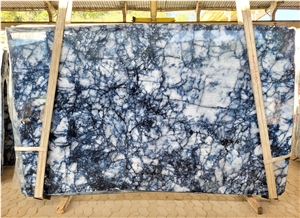
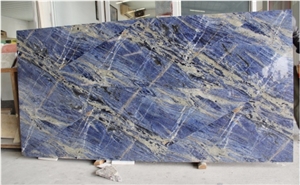
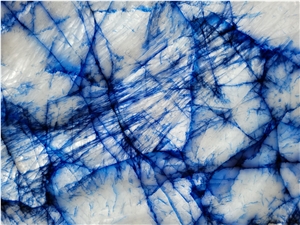
Sapphire Blue Quartzite is a breathtaking natural stone quarried in Brazil, renowned for its radiant purity, elegance, and exotic character. Originally a crystal ice white quartzite, it is enhanced with vibrant sodalite blue hues and flowy mineral veining, creating a one-of-a-kind pigment-infused masterpiece. Its appearance is ethereal and glass-like, often described as “crystalized light” captured in stone. This quartzite is a symbol of both strength and aesthetic brilliance.

Visual & Textural Characteristics

Base Color: Crystal Ice White

Veining/Hue: Deep Sodalite Blue and Light Indigo Veins

Texture: Smooth, crystalline with natural translucence; semi-vitreous

Pattern: Flowing linear or cloud-like veining with occasional diagonal crystalline fractures

Translucency: Backlight-capable in thin sections

Finish Appearance: Mirror-shine in polished form; satin-matte in honed/satin finishes

Technical Specifications

  • Bulk Density: ~2.63 g/cm³
  • Water Absorption: < 0.4%
  • Flexural Strength: ~17.5 MPa
  • Compressive Strength: ~120 MPa
  • Abrasion Resistance (Taber Test): 20–22 mm³/1000 revolutions
  • Porosity: Low (less than 1%)
  • Mohs Hardness: 6.5–7.0
  • Weather Resistance: Excellent
  • Frost Resistance: Excellent

Note: All values approximate and vary slightly depending on block section.

Chemical Composition (% by weight)

  • SiO₂ (Silica): 92–95%
  • Al₂O₃ (Alumina): 1.5–2.0%
  • Fe₂O₃ (Iron Oxide): 0.3–1.0%
  • CaO (Calcium Oxide): 0.1–0.5%
  • MgO (Magnesium Oxide): 0.2–0.6%
  • Na₂O + K₂O (Alkalis): 0.5–1.0%
  • TiO₂: <0.1%
  • Loss on Ignition: 0.3–0.5%

Mineralogical Composition (% by weight)

  • Quartz: 92–95%
  • Feldspar: 3–5%
  • Mica: <1%
  • Hematite & Others: <1%

Recommended Applications

Interior & Exterior Wall Cladding

Luxury Stair Steps & Risers

Countertops, Vanity Tops

Feature Walls & Backlit Panels

Flooring (low-traffic residential or decorative zones)

Furniture Tops (tables, bars)

Maintenance Tips

  • Use pH-neutral stone cleaner for regular cleaning
  • Reseal every 1–2 years in high-use areas
  • Avoid abrasive cleaners or acidic substances (e.g. lemon, vinegar)
  • Felt pads recommended under furniture to prevent micro-scratches

Available Dimensions 

Standard Cutting Sizes (cm):

Slabs: 280–320 cm (length) × 160–200 cm (height)

Tiles & Custom Cut-to-Size: 30×60, 60×60, 60×120, 80×80, 100×100

Stair Steps: 100–180 cm × 30–35 cm

Risers: 100–180 cm × 15–18 cm

Thickness Options: 2 cm 3 cm

Customized upon request

Surface Finishes 

  • Polished (high-gloss, reflective)
  • Honed (smooth, matte texture)
  • Satin/Silk (soft-touch, low-sheen)
  • Brushed (textured, subtle movement) – on request

FAQ

Can 2cm thick Sapphire Blue Quartzite be used for kitchen countertop?

Yes, 2cm thick Sapphire Blue Quartzite can be used for a kitchen countertop. Quartzite is a durable natural stone that is resistant to heat and scratches, making it suitable for kitchen use. However, there are a few considerations to keep in mind: 1. **Support**: A 2cm thick slab might require additional support, such as plywood or a substrate, to prevent flexing and potential cracking, especially for larger spans or overhangs. 2. **Sealing**: Quartzite is generally more resistant to staining than marble but is more porous than granite. It is advisable to seal it properly and regularly to prevent staining and to maintain its appearance. 3. **Edge Profile**: The thinner slabs might limit the types of edge profiles that can be applied compared to thicker slabs. This should be discussed with your fabricator. 4. **Installation**: Professional installation is recommended to ensure proper support and finishing, reducing the risk of damage. With proper care and maintenance, a 2cm Sapphire Blue Quartzite countertop can be a beautiful and functional addition to your kitchen.

How can I repair the scratched surface of the Sapphire Blue Quartzite steps?

Repairing scratched surfaces on Sapphire Blue Quartzite steps involves several steps to restore their appearance. Here’s a guide to help you through the process: 1. **Assess the Damage**: Before starting the repair, assess the extent of the scratches. Deep scratches may require professional help, while minor ones can often be repaired at home. 2. **Materials Needed**: - Soft cloths or microfiber towels - Stone cleaning solution or mild soap - Water - 320 and 600 grit sandpaper - Polishing powder or paste specifically for quartzite or natural stone - Electric polisher (optional for larger areas) - Stone sealant 3. **Clean the Surface**: Begin by thoroughly cleaning the steps. Use a stone-specific cleaner or a mild soap and water solution. Remove all dirt, dust, and debris to ensure the surface is completely clean. 4. **Sand the Scratches**: - For light scratches, use 600 grit sandpaper. For deeper scratches, start with 320 grit sandpaper. - Gently sand the scratched areas in a circular motion. Be careful not to apply too much pressure, as this can damage the stone further. - Keep the sandpaper moist with water during the sanding process to minimize dust and keep the surface lubricated. 5. **Polish the Surface**: - After sanding, clean the area again and dry it completely. - Apply a quartzite polishing powder or paste according to the manufacturer’s instructions. - Use a soft cloth to rub the polish into the stone in a circular motion, or use an electric polisher if available. Buff the surface until it regains its original shine. 6. **Rinse and Dry**: After polishing, rinse the steps with clean water to remove any remaining polish or residue, then dry them with a soft cloth. 7. **Seal the Stone**: Since quartzite is a natural stone, sealing can help protect it from future scratches and stains. - Apply a stone sealant designed for quartzite, following the manufacturers instructions. - Allow the sealant to penetrate for the recommended time before wiping off any excess and letting the stone dry completely. 8. **Regular Maintenance**: To keep your quartzite steps looking their best, regularly clean and reseal them as needed. Avoid abrasive cleaners and pads that can scratch the surface. If the scratches are too deep or extensive for DIY repair, it may be necessary to consult with a professional stone restoration service.

Is Sapphire Blue Quartzite with a polished surface good for house flooring?

Sapphire Blue Quartzite can be a good choice for house flooring, but there are several factors to consider: 1. **Aesthetic Appeal**: Sapphire Blue Quartzite is prized for its striking, vibrant blue hues and unique patterns. Its polished surface can give a luxurious and elegant look to any space. 2. **Durability**: Quartzite is a natural stone known for its hardness and durability. It is more resistant to scratching and etching compared to marble, making it suitable for high-traffic areas. 3. **Maintenance**: While quartzite is durable, a polished surface can show scratches and wear more easily than a honed finish. It’s important to maintain and clean it properly to keep it looking its best. Sealing is often recommended to protect against stains and to enhance its longevity. 4. **Slip Resistance**: A polished surface can be slippery when wet, which is a consideration, especially in areas prone to moisture, like bathrooms or kitchens. Adequate mats or rugs can mitigate this issue, or you can consider using a honed or textured finish in specific areas. 5. **Cost**: Quartzite can be more expensive than other flooring options like ceramic tile or laminate. Its essential to weigh the cost against its benefits in terms of durability and aesthetic appeal. 6. **Installation**: Professional installation is recommended to handle the weight and intricacies of cutting and fitting natural stone. Overall, if youre looking for a durable and visually striking flooring option, Sapphire Blue Quartzite with a polished surface can be a good choice, provided you consider these factors and are prepared for the required maintenance.

Is Sapphire Blue Quartzite a suitable choice for gravestones?

Sapphire Blue Quartzite can be a suitable choice for gravestones, but there are several factors to consider: 1. **Durability**: Quartzite is a strong and durable natural stone, resistant to weathering and wear. This makes it appropriate for outdoor use, including gravestones. 2. **Aesthetics**: Sapphire Blue Quartzite is known for its attractive blue hues and striking patterns, which can make a gravestone visually appealing and unique. 3. **Maintenance**: While quartzite is generally easy to maintain, it should be sealed properly to prevent potential staining and to ensure its longevity. 4. **Cost**: Quartzite can be more expensive than other stone options like granite or marble, due to its quality and unique appearance. 5. **Availability**: The availability of Sapphire Blue Quartzite might vary depending on location, which could impact cost and lead time. 6. **Regulations**: Some cemeteries have specific regulations regarding the materials and colors allowed for gravestones, so it’s important to check any restrictions before proceeding. Overall, if cost is not a prohibitive factor and there are no regulatory constraints, Sapphire Blue Quartzite could be a beautiful and lasting choice for a gravestone.

How can I remove mold from Sapphire Blue Quartzite wall tiles?

Removing mold from Sapphire Blue Quartzite wall tiles requires a careful approach to ensure that the tiles are not damaged. Here’s a step-by-step guide to help you clean the mold: 1. **Safety Precautions**: - Wear protective gloves, a mask, and goggles to protect yourself from mold spores. - Ensure the area is well-ventilated by opening windows or using fans. 2. **Initial Cleaning**: - Start by using a soft brush or cloth to gently wipe away loose mold spores from the surface. Avoid using anything too abrasive, as Sapphire Blue Quartzite can be delicate. 3. **Cleaning Solution**: - Prepare a mild cleaning solution. Mix warm water with a pH-neutral stone cleaner, which is safe for natural stone. - Alternatively, you can make a mixture using one part vinegar and one part water. However, vinegar can sometimes etch natural stone, so test this on an inconspicuous area first. 4. **Application**: - Dampen a soft cloth or sponge with the cleaning solution, not sopping wet, to avoid excess moisture on the tiles. - Gently scrub the affected areas, focusing on the grout lines where mold often persists. - Avoid using harsh chemicals, such as bleach or ammonia, as they can damage the stone. 5. **Rinsing**: - Rinse the area thoroughly with clean water to remove any cleaning residue. Use a separate clean cloth to wipe down and absorb excess water. 6. **Drying**: - Use a dry, soft towel to wipe the tiles and grout to remove as much moisture as possible. - Ensure the area is dried completely to prevent mold from returning. You can use dehumidifiers or fans to speed up the drying process. 7. **Preventative Measures**: - Improve ventilation in the area to prevent future mold growth. - Regularly clean and check the tiles and grout for mold signs. - Consider sealing the grout with a high-quality grout sealer, which can help in slowing down mold growth. 8. **Professional Help**: - If mold persists or covers a large area, consider contacting a professional who specializes in stone maintenance and mold removal. Always remember to test any cleaning solution on a small, inconspicuous area of your tile before proceeding with the entire surface. This will help you ensure that the solution does not damage or discolor your tiles.

Does Sapphire Blue Quartzite bathroom wall mosaic need to be sealed?

Yes, Sapphire Blue Quartzite, like most natural stone surfaces, generally needs to be sealed, especially in bathroom settings. Sealing helps protect the stone from moisture, stains, and other potential damage. In bathrooms, where the stone is frequently exposed to water, soap, and other substances, sealing helps maintain its appearance and longevity. Its advisable to use a high-quality impregnating sealer designed for natural stone and to follow the manufacturers instructions regarding application and reapplication, typically every 1-3 years depending on usage and the specific sealer used.

How can I clean Sapphire Blue Quartzite bathroom wall mosaic tiles?

Cleaning Sapphire Blue Quartzite bathroom wall mosaic tiles requires some care to maintain their natural beauty without causing damage. Heres a step-by-step guide: 1. **Regular Dusting and Dry Cleaning:** - Use a soft dry cloth or a microfiber duster to remove any loose dust and particles from the surface of the tiles. 2. **Mild Cleaning Solution:** - Mix a few drops of mild dish soap or a pH-balanced stone cleaner with warm water. Avoid acidic or harsh cleaners, such as vinegar or ammonia, which can damage the quartzite. 3. **Apply the Cleaner:** - Dip a soft cloth or sponge in the cleaning solution and gently wipe the tiles. Use a soft-bristle brush for grout lines if needed. Be gentle to avoid scratching the surface. 4. **Rinse Thoroughly:** - Use a clean, damp cloth or sponge to rinse the tiles with clear water. Make sure to remove all soap residues, as they can dull the finish or cause streaking. 5. **Dry the Surface:** - Wipe the tiles dry with a soft towel or microfiber cloth to prevent water spots and ensure a streak-free finish. 6. **Regular Sealing:** - Quartzite is a natural stone and may need sealing to protect it from stains, especially in wet areas like bathrooms. Check with the manufacturer’s guidelines or a professional to see how often you should seal your tiles. 7. **Handling Stains:** - For tougher stains, create a paste with baking soda and water. Apply it to the stained area, let it sit for several minutes, then gently scrub and rinse thoroughly. 8. **Avoid Harsh Tools:** - Never use abrasive pads, steel wool, or any sharp instruments, as they can scratch the surface of your tiles. 9. **Regular Maintenance:** - Regularly check for any signs of mold or mildew, especially in the grout lines, and address these promptly with appropriate cleaners designed for stone surfaces. By following these steps, you can keep your Sapphire Blue Quartzite tiles looking beautiful and prolong their lifespan.

How can I clean the grout of Sapphire Blue Quartzite wall tiles?

Cleaning the grout of Sapphire Blue Quartzite wall tiles requires some care to avoid damaging the stone. Heres a step-by-step guide: 1. **Gather Your Supplies:** - pH-neutral stone cleaner or mild dish soap - Warm water - Soft-bristled brush or toothbrush - Microfiber cloth or sponge - Grout sealer (optional, for after cleaning) 2. **Prepare the Cleaning Solution:** - Mix a few drops of pH-neutral stone cleaner or mild dish soap in a bucket of warm water. Avoid acidic or alkaline cleaners as they can damage the quartzite. 3. **Test in an Inconspicuous Area:** - Before applying the solution to the entire area, test it on a small, less visible section of the wall to ensure it doesn’t affect the stone’s color or finish. 4. **Clean the Grout:** - Dip the soft-bristled brush or toothbrush into the soapy solution. - Gently scrub the grout lines with the brush, being careful to avoid scratching the surface of the tiles. - Rinse the brush frequently in the solution as you work. 5. **Rinse the Area:** - Use a clean, damp microfiber cloth or sponge to wipe away the cleaning solution. - Be sure to remove all soap residues, as they can leave a film on the tiles. 6. **Dry the Surface:** - Use a clean, dry microfiber cloth to thoroughly dry the tiles and grout. This helps prevent water spots and streaks. 7. **Seal the Grout (Optional):** - To protect the grout from future staining, consider applying a grout sealer once it is completely dry. Follow the sealer’s instructions for application and curing times. 8. **Regular Maintenance:** - To keep your tiles and grout looking their best, regularly wipe down the walls with a damp cloth and use a pH-neutral cleaner as needed. By following these steps, you can effectively clean the grout on your Sapphire Blue Quartzite wall tiles while preserving their beauty and integrity.

I have a Sapphire Blue Quartzite tabletop with a vein that looks broken. Should I glue it?

If the vein in your Sapphire Blue Quartzite tabletop appears broken, its important to approach the repair carefully to ensure that the integrity and appearance of the stone are maintained. Here’s a general guide to help you decide if gluing is the right solution and how to proceed: 1. **Assess the Damage**: - Determine the extent of the break. Is it a superficial crack in the vein, or has the stone itself been compromised? - Check if the pieces are stable or if theres any separation. 2. **Consult a Professional**: - Quartzite is a natural stone that requires specialized handling, and a professional stone repair technician can offer the best advice and service. - They have the expertise and tools to restore the piece without causing further damage. 3. **Choosing Glue**: - If you decide to attempt a repair yourself, use an epoxy adhesive specifically designed for natural stone. - Avoid generic super glues or household adhesives, as they may not bond well with quartzite or could discolor the stone. 4. **Preparation**: - Clean the area thoroughly to remove any dust, debris, or oils. Use a stone-safe cleaner. - Ensure the surface is dry before applying any adhesive. 5. **Application**: - Carefully apply the epoxy adhesive to the broken vein, following the product’s instructions. - Align the pieces accurately to maintain the natural look of the stone. 6. **Finishing**: - Once the adhesive has set, you may need to polish the area to blend the repair with the rest of the tabletop. - Use a gentle, stone-safe polish, and avoid abrasive pads or cleaners. 7. **Preventative Measures**: - Going forward, use coasters, trivets, and placemats to protect the stone from impact and temperature changes. - Regularly seal the quartzite to protect it from stains and enhance its durability. Consult a professional to determine the appropriate sealer and maintenance routine. Ultimately, while minor repairs can sometimes be handled at home, consulting a professional for significant damage is often the best choice to ensure the piece is restored properly and safely.

Products & Prices

View More

Hot Quartzite

New Quartzite

Post Your Request

The request includes:
  1. surface finished, size
  2. quantity required