


 Syria
Can Sarmada Limestone be used for kitchen countertop?
Sarmada Limestone can technically be used for kitchen countertops, but there are several factors to consider before making your decision. Limestone is a natural stone that offers a beautiful, classic appearance, often with unique patterns and colors. However, its generally softer and more porous compared to other stones like granite or quartz. Here are some considerations:
1. **Porosity**: Limestone is more porous, making it susceptible to staining from spills, particularly from acidic substances like wine, coffee, and citrus juices. Regular sealing can help minimize this risk, but it requires ongoing maintenance.
2. **Durability**: While limestone is durable, its not as hard as granite or quartz, making it more susceptible to scratches and chips from heavy use. This might not be ideal for high-traffic kitchens.
3. **Maintenance**: To keep a limestone countertop in good condition, you will need to commit to regular sealing and be cautious with cleaning products, opting for pH-neutral cleaners to avoid surface damage.
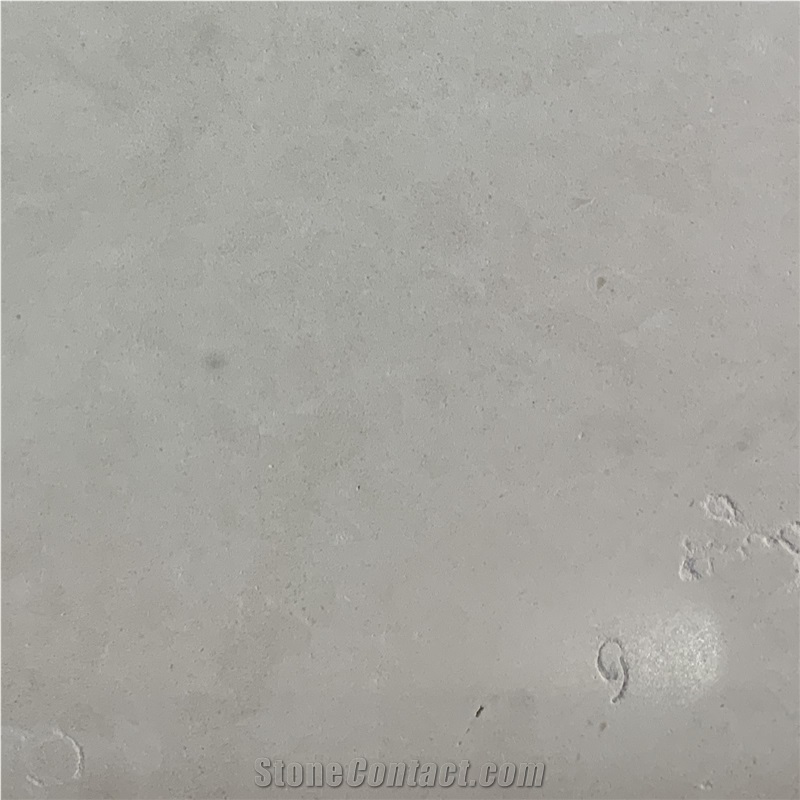
4. **Aesthetics**: Sarmada Limestone may offer a unique and attractive look, with its own pattern and hue variations, contributing to a distinctive kitchen aesthetic.
5. **Cost**: Limestone can be less expensive than some other natural stone options, but you need to weigh this against the potential need for more frequent repairs or replacements.
If you love the look of Sarmada Limestone and are prepared for the maintenance it requires, it could be a suitable choice for your kitchen. However, if low maintenance and high durability are your priorities, you might want to consider other materials better suited to those needs.
 Saudi Arabia

 Turkey

 Germany

 Italy

 Spain

 Portugal

 Norway

 Croatia

 Bulgaria

 China

 France
