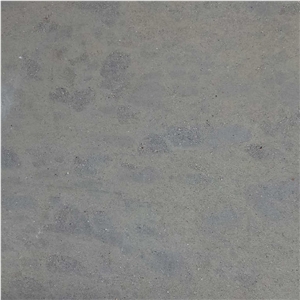
Selgase Blue Limestone is a cool-toned blue-grey natural stone known for its subtle, elegant appearance. Its color palette ranges from light smoky grey to deeper steel-blue and bluish graphite shades. This limestone is characterized by its gentle cloudy transitions, creating a calm, uniform appearance that retains a naturally layered look. Occasionally, it features faint sedimentary markings or very light fossil impressions, enhancing its natural beauty without disrupting its consistency. This makes it an excellent choice for large architectural surfaces.
Physical and Mechanical Properties:
- Water Absorption: 6.5 - 7.5%
- Density: 2200-2300 kg/m³
- Flexural Strength: Information not specified
- Compressive Strength: 74-125 MPa
- Hardness: Moderate (specific scale not provided)
- Porosity: Slightly porous, typical of compact sedimentary matrix
- Slip Resistance: Generally good, depending on the finish
Chemical and Mineral Composition:
- Calcium Carbonate (CaCO3): Predominantly high percentage due to limestone nature
- Silica (SiO2), Magnesium Carbonate (MgCO3): Usually present in smaller proportions
- Trace Minerals: May include various clay, silt, and other minerals contributing to color and texture
Usage:
Selgase Blue Limestone is ideal for both interior and exterior applications, including:
- Flooring and wall cladding
- Facade applications
- Staircases and fireplaces
- Countertops and vanity tops
Maintenance:
- Regular cleaning with mild soap and water, avoiding acidic or harsh cleaning agents
- Periodic sealing may enhance durability and resistance against stains
Cutting Sizes (Common Dimensions in cm):
- Tiles: Generally available in 30x30, 40x40, 60x30, 60x60, and custom sizes upon request
- Slabs: Typically cut to customers' specifications
Available Surface Finish Options:
- Honed: Smooth, matte surface that enhances the natural colors
- Polished: Glossy finish that brings out the stone’s elegance
- Brushed: Textured and rustic finish that offers increased slip resistance
- Sandblasted: Slightly rough surface that provides a contemporary look
- Antiqued: A finish that gives a weathered or aged appearance
Selgase Blue Limestone is valued for its balanced combination of structural stability and natural aesthetic. Its marine sedimentary origin and consistent quarry characteristics ensure it remains a preferred material for both traditional and modern architectural designs. Proper maintenance and appropriate finish selections optimize its durability and appearance in a variety of applications.


 Estonia


 Portugal


 Chile

 Spain


 Norway

 Croatia

 Bulgaria

 China

 France
