Serizzo Sempione
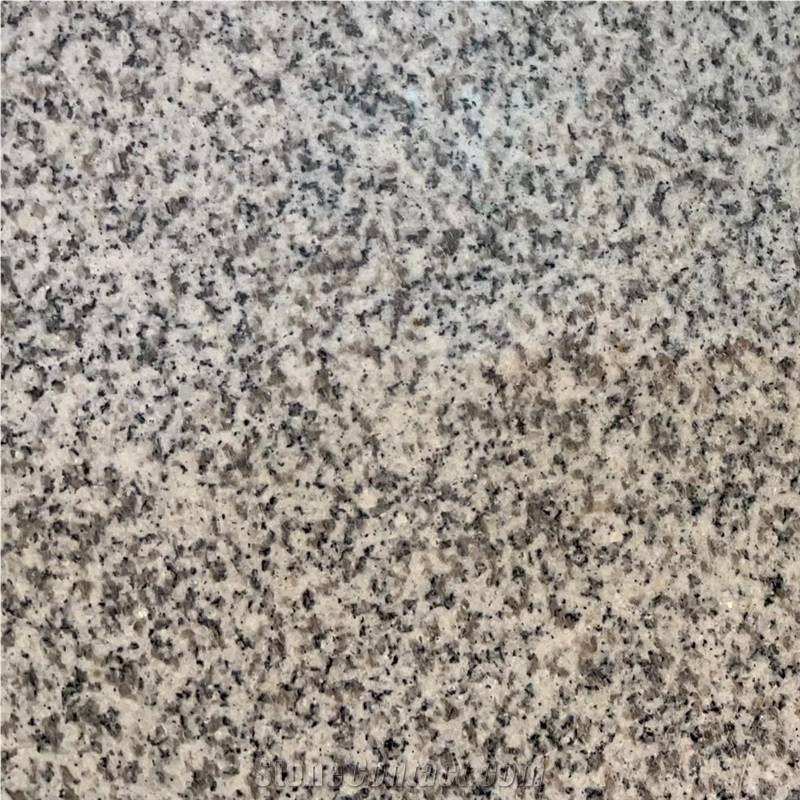
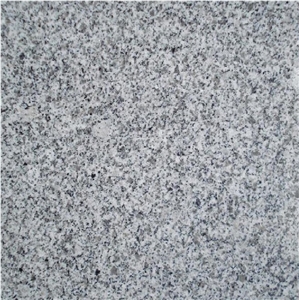
Serizzo Sempione, although referred to as granite, is technically an intrusive orthogneiss. This natural stone is known for its phaneritic, granular crystalline texture. It primarily comprises feldspar, quartz, and darker minerals like biotite, which together form a dense, interlocking structure. The stone is characterized by its light grey to grey-white background with abundant dark grey and brown mineral specks. Occasionally, it may also exhibit subtle bluish or greenish tones, depending on the mineral distribution. This combination creates a balanced, naturally mottled appearance with uniform color across the slabs. It is quarried in Casorate Sempione, Val Divedro, Provincia di Novara, Piemonte, Italy.
Physical and Mechanical Properties:
- Water Absorption: 0.28% by weight
- Density: 2655 kg/m³
- Flexural Strength: 15.1 MPa
- Compressive Strength: 151.0 - 170.0 MPa
- Hardness: Typically hard and durable, often around 6-7 on the Mohs scale.
- Porosity: Low porosity contributes to its strength and durability.
- Slip Resistance: Generally provides good slip resistance, especially when a textured finish is applied.
Chemical and Mineral Compositions (% by weight):
- Feldspar: Major component, contributing to the overall durability and color.
- Quartz: Confers hardness and resistance to chemical weathering.
- Biotite and Other Darker Minerals: Provide the characteristic specks and additional structural integrity.
- Mineral distribution: Adds minor variables in color, contributing to a unique visual appeal. Exact percentage compositions might vary slightly depending on the specific quarry.
Usage:
- Ideal for both interior and exterior applications due to its durability and aesthetic appeal.
- Commonly used for countertops, flooring, wall cladding, stairs, and outdoor paving.
- Suitable for high-traffic areas as it withstands significant wear and tear.
Maintenance:
- Requires regular cleaning with mild soap and water; avoid acidic or abrasive cleaners.
- Periodic sealing is recommended to maintain its appearance and resist staining.
- Promptly clean spills, especially of acidic substances, to prevent etching.
Available Common Surface Finish Options:
- Polished: Provides a high-gloss, reflective finish that enhances the stone's natural patterns.
- Honed: Offers a smooth, more matte finish without gloss; ideal for those seeking a more subdued look.
- Flamed: Achieves a textured surface with slip resistance, suitable for outdoor applications.
- Bush-Hammered: Produces a rugged and finely textured surface, adding an anti-slip quality.
- Antiqued: Gives the stone a weathered appearance, which is often sought for certain aesthetic needs.
This comprehensive overview serves as both a technical dossier and a practical guide for those interested in implementing Serizzo Sempione Granite in their projects.
Test Result:
- Petrographic Definition: Orthogneiss
- Mass Unit Volume: 2655 kg/m³
- Water Absorption: 0.28 %
- Compressive Strength (Simple Breaking Load): 170 MPa
- Compressive Strength After Freezing: 151 MPa
- Indirect Tensile Strength (Flexural): 15.1 MPa
- Relative Abrasion Coefficient (referenced to Granite St. Fedelino): 0.87
- Impact Resistance (Minimum Fall Height): 80 cm
- Linear Thermal Expansion Coefficient: 7.2 × 10⁻⁵ °C⁻¹
- Knoop Microhardness: 4297 MPa
- Hardness Non-Uniformity Index: 1.77
* Source: Università di Pisa – Politecnico di Torino


 Italy


 Germany

 Denmark


 Austria


 China


 India


 United States

 Spain


