Post Your Needs

Soft Yellow Granite

Gold - Granite

Brazil

About

Item Details

Material Type:
Granite
Origin:
Brazil (Ecoporanga, Espirito Santo)
Primary Color(s):
Gold
Recommended Usage:
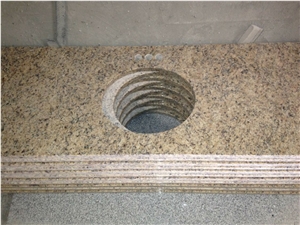
Countertops, monuments, mosaic, exterior - interior wall and floor applications, fountains, pool and wall capping, stairs, window sills
Additional Names:
Giallo Santa Cecilia Granite, Giallo St Cecilia Granite, Giallo Cecilia Granite, Amarelo Cecilia Granite, Amarelo Santa Cecilia Granite, Brazil Gold Granite, Giallo S. Cecilia Granite, Giallo S. Cecilia Original Granite, Giallo San Cecilia Granite, Giallo St. Cecilia Granite, Juparana Santa Cecilia Granite, Santa Cecilia Yellow, St. Cecilia Granite, Yellow Santa Cecilia Granite, Yellow St Cecilia Granite, Santa Cecilia Classic Granite, Santa Cecilia Regular, Santa Cecilia Classico Granite, Giallo Cecilia Gold Granite, St. Cecilia Gold Granite, In China Stone Market:娱乐金麻(Yúlè Jīn Má), Soft Yellow Granite
Finished Surface:
Polished,Flamed,Bush Hammered,Tumbled,Brushed,Honed,Split,Machine Cut,Natural Surface,Sandblasted,Acid Washing,Combed,Leathered,Water Jet,Chiseled,Pickling

Testing

Water Absorption:
0.25 – 0.35%
Density:
2640 kg/m³
Flexural Strength:
7.21 MPa
Compressive Strength:
103.60 MPa
Stone texture:
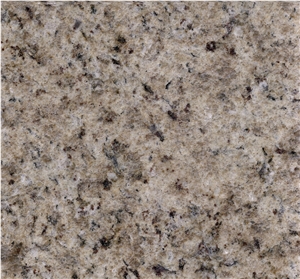
golden-yellow to creamy yellow background richly mottled with black, burgundy, reddish-brown, and dark gray mineral flecks. The stone displays a consistent granular pattern created by the natural distribution of contrasting mineral crystals throughout the surface. Subtle variations of honey, beige, and light gold tones add depth and visual warmth, while the darker minerals create attractive movement and texture. Soft Yellow Granite features a medium-grained crystalline texture with a dense, compact structure formed through the interlocking of quartz, feldspar, and ferromagnesian minerals

Description

Soft Yellow Granite is a vibrant and visually appealing natural stone known for its unique color and texture. The stone's golden-yellow to creamy yellow background is richly mottled with black, burgundy, reddish-brown, and dark gray mineral flecks, creating a bold and elegant aesthetic. It features a consistent granular pattern with subtle variations of honey, beige, and light gold tones that add depth and warmth, while the darker minerals provide movement and texture.

Physical and Mechanical Properties

  • Water Absorption: 0.25 – 0.35%
  • Density: 2640 kg/m³
  • Flexural Strength: 7.21 MPa
  • Compressive Strength: 103.60 MPa
  • Hardness: Generally ranked 6-7 on the Mohs scale, indicating high scratch resistance.
  • Porosity: Low, enhancing its durability and resistance to liquid penetration.
  • Slip Resistance: Typically moderate but can be enhanced with finishes, suitable for both indoor and outdoor use.

Chemical and Mineral Composition

  • Quartz: Approximately 25-35% by weight, providing strength and hardness.
  • Feldspar: Around 50-60% by weight, contributing to its color and durability.
  • Ferromagnesian Minerals (including Mica and Biotite): Approximately 5-15% by weight, adding dark speckles and luster.
  • Other Trace Minerals: Presence of iron oxides and other minerals that contribute to the stone's unique color variations and patterns.

Typical Uses

  • Interior Flooring and Wall Cladding: Offers aesthetic appeal and durability.
  • Countertops and Vanity Tops: Preferred for kitchens and bathrooms due to its resistance to stains and scratches.
  • Exterior Cladding and Landscaping: Durable against weathering, making it suitable for building facades and outdoor applications.
  • Fireplaces and Staircases: Adds elegance and improves the visual impact of interior design features.

Maintenance

  • Regular Cleaning: Use pH-neutral cleaners and a soft cloth or sponge to maintain its appearance.
  • Sealing: Periodic sealing recommended to enhance stain resistance and longevity.
  • Avoid Harsh Chemicals: Use of abrasive or acidic cleaners should be avoided to prevent surface damage.

Cutting Sizes

  • Commonly available in slabs or tiles; standard slab sizes are often in:
  • Slab Thickness: Typically available in 2 cm and 3 cm.
  • Tile Sizes: Common sizes include 30x30 cm, 60x60 cm, and other custom dimensions depending on project requirements.

Available Surface Finishes

  • Polished: Glossy finish that enhances the stone’s natural colors and patterns, ideal for indoor use.
  • Honed: A matte finish providing a softer look with less reflection, suitable for both indoor and outdoor use.
  • Flamed: A rough texture used mainly for outdoor applications, offering increased slip resistance.
  • Brushed/Antiqued: Offers a worn appearance, highlighting the stone’s natural beauty while maintaining a certain roughness.

Soft Yellow Granite from Ecoporanga, Espirito Santo, Brazil, is a versatile and durable stone choice for a variety of architectural and design applications, capable of adding elegance and warmth to any space. Its excellent physical properties, combined with ease of maintenance, make it a popular choice among designers and homeowners.

FAQ

Can Brazil's Soft Yellow Granite be used in wall coverings?

Yes, Brazils Soft Yellow Granite can be used in wall coverings. Granite is a popular choice for wall cladding, as it is durable, resistant to heat and moisture, and offers a natural and elegant aesthetic. Whether used for interior or exterior walls, Soft Yellow Granite from Brazil can add a touch of beauty to any space.

What is the coefficient of friction of Filled Brazil's Soft Yellow Granite tiles?

The coefficient of friction of Filled Brazils Soft Yellow Granite tiles can vary depending on various factors such as the smoothness of the tile surface, the presence of any sealants or coatings, and the type of flooring surface it interacts with. Without specific information or testing results, it is challenging to provide an exact value for the coefficient of friction. It is recommended to contact the manufacturer or supplier of the tiles for more precise information regarding the coefficient of friction of the specific product.

Can Brazil's Soft Yellow Granite be used exterior applications in very dusty climates?

Brazils Soft Yellow Granite can generally be used for exterior applications in dusty climates. Granite is a durable and weather-resistant natural stone known for its strength and resistance to environmental factors. However, it is important to note that the specific performance of the granite in a dusty climate may depend on various factors such as the quality and composition of the stone, the level of maintenance, and the intensity and type of dust present in the environment. In general, granite is less susceptible to damage from dust compared to other materials like wood or concrete, as its dense composition makes it less likely to accumulate dust, stains, or scratches. Additionally, granite can be sealed to further enhance its resistance to environmental factors, including dust. Regular cleaning and maintenance are crucial to prevent dust accumulation and maintain the stones appearance and longevity. That being said, it is advisable to consult with a local architect, contractor, or stone supplier who has expertise in dusty climates to ensure the suitability of Brazils Soft Yellow Granite for a specific project and to receive guidance on proper care and maintenance protocols.

Can Brazil's Soft Yellow Granite be used in a office?

Yes, Brazils soft yellow granite can be used in an office setting. It is a natural stone that offers durability, resistance to scratches and heat, and a beautiful aesthetic. Soft yellow granite can be used for office countertops, flooring, walls, conference room tables, or other design elements. It can provide a warm and inviting atmosphere while maintaining a professional and elegant look.

How thick is Brazil's Soft Yellow Granite slabs?

The thickness of Brazils Soft Yellow Granite slabs can vary depending on the specific supplier or manufacturer. However, typical thicknesses range from 2 cm (0.79 inches) to 3 cm (1.18 inches).

Are there color variations of Brazil's Soft Yellow Granite?

Yes, there are variations of color in Brazils Soft Yellow Granite. While the base color is often a soft yellow, it can also have tones of cream, beige, and even light brown. The presence and intensity of these variations can differ from one slab to another due to the natural characteristics of the stone. The final appearance may also depend on factors such as the quarry location and the specific batch of granite. It is always recommended to view samples or slabs in person to fully appreciate the color variations before making a final decision.

Is Brazil's Soft Yellow Granite an expensive stone?

I dont have access to current market trends and pricing. However, the price of a stone can depend on various factors such as quality, rarity, transportation costs, availability, retailer, and market demand. It is always best to check with a reputable stone supplier to get an accurate quote for the Brazilian Soft Yellow Granite.

Products & Prices

View More

Hot Gold Granite

New Granite

Post Your Request

The request includes:
  1. surface finished, size
  2. quantity required