Post Your Needs

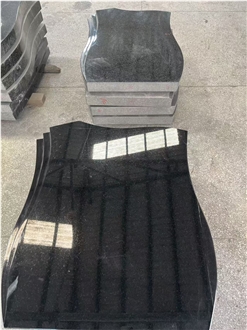
Standard Black Granite

Black - Granite

Sweden

About

Item Details

Material Type:
Granite
Origin:
Sweden (Hägghult, outside the village of Lönsboda, Skåne)
Primary Color(s):
Black
Recommended Usage:
Kitchen and bathroom countertops, monuments, building stone, ornamental stone, stairs, interior, exterior wall and floor applications, mosaic, waterjet pattern, wall panels, table tops, window sills, balustrades, columns, wall and pool copings, pool pavers, sculptures, fireplaces, cobbles, pavers, curbstone
Additional Names:
Standard Black Diabase, Hagghult Granite, Ebony Black Granite, Swedish Standard Black Granite, Haegghult Basalt, Ebony Black EGC Granite, Haegghults Diabas, Haegghult Diabase, Swedish Black Granite, SS Grob Black Granite, Skane Black Granite, Standard Black Granite
Finished Surface:
Polished,Flamed,Bush Hammered,Tumbled,Brushed,Honed,Split,Machine Cut,Natural Surface,Sandblasted,Acid Washing,Combed,Leathered,Water Jet,Filled,Chiseled,Pickling

Testing

Water Absorption:
0.1 By weight %
Density:
2980 kg/m³
Flexural Strength:
33.6 MPa
Compressive Strength:
264.0 MPa

Description

Standard Black Granite is a fine-grained, intrusive igneous rock known for its deep charcoal black color and is primarily classified as diabase. Quarried in Hagghult, located outside the village of Lonsboda in Skane, Sweden, this granite exhibits several notable characteristics:

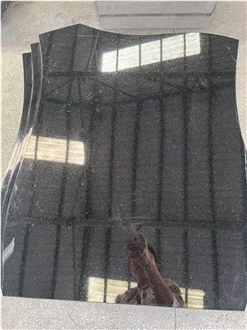
Color and Texture: The most prominent feature of Standard Black Granite is its rich, deep charcoal black color. This dark and consistent hue is what gives this stone its name. The fine-grained texture of the granite contributes to its sleek and polished appearance, adding an elegant touch to any environment.

Intrusive Igneous Rock: As an intrusive igneous rock, Standard Black Granite is formed from molten magma that has solidified beneath the Earth's surface. This geological process contributes to its fine-grained texture and durability, making it suitable for a variety of applications.

Quarry Origin: Standard Black Granite is extracted from the Hagghult quarry, situated outside the village of Lonsboda in Skane, Sweden. The geological conditions in this region play a significant role in the stone's unique characteristics and quality.

Versatility: This granite's deep black color and fine-grained texture make it a versatile material used in various design applications. It is often employed for countertops, flooring, wall cladding, vanity tops, and decorative elements in residential and commercial spaces. The granite's polished finish enhances its natural elegance, making it a timeless choice for design projects.

Durability: Granite, in general, is renowned for its durability and resistance to wear and tear. Standard Black Granite is no exception and is known for its long-lasting nature, making it an excellent choice for surfaces that endure heavy use.

In summary, Standard Black Granite is a fine-grained, intrusive igneous rock known for its deep charcoal black color. Quarried in Hagghult, Skane, Sweden, it is valued for its polished and sleek appearance, making it a favored choice for countertops, flooring, and various other design applications. Its durability and timeless aesthetic contribute to its enduring popularity in both residential and commercial settings.

HAEGGHULT GRANITE (DIABASE) - Ebony Black, Swedish Standard Black
Technical properties Standard Unit
Compressive strength EN 1926 Mpa 264
Flexural strength EN 12372 Mpa 33,6
Abrasion resistance, Boehme DIN 52 108 1) cm3/50 cm2 6,0
Abrasion resistance, Boehme EN 14157 2) mm3 5984
Water absorption EN 13755 weight % <0,1
Apparent density EN 1936 kg/m3 2980
Breaking load at dowel holes EN 13364 N 3550
Slip resistance, honed surface EN 14231 SRV, dry 49
Slip resistance, honed surface EN 14231 SRV, wet 10
Rupture energy, Thickness: 20 mm EN 14158 J 3,0
Petrographic composition EN 12407*
Plagioclase % 61
Amphibole % 19
Biotite % 10
Chlorite, serpentine % 5
Opaques % 4
Tested by SP, Swedish National Testing and Research Institute

FAQ

Can Sweden's Standard Black Granite be used in landscaping?

Yes, Swedens Standard Black Granite can be used in landscaping. It is a durable and strong material that is commonly used for pathways, driveways, patio areas, and other outdoor spaces. Its dark color adds an elegant and sophisticated touch to any landscape design. Additionally, the natural properties of granite make it resistant to weathering, fading, and scratches, ensuring that it remains beautiful and functional for many years.

Can Sweden's Standard Black Granite be used in a dining room?

Yes, Swedens Standard Black Granite can definitely be used in a dining room. Black granite is a popular choice for countertops, flooring, and other surfaces in dining rooms due to its elegant and timeless appearance. It provides a sleek and modern look, while also being durable and easy to clean. Whether it is used as a dining table surface, countertops, or even flooring, Swedens Standard Black Granite can add a touch of sophistication and elegance to any dining room.

What is the coefficient of friction of Filled Sweden's Standard Black Granite tiles?

The coefficient of friction of a specific material, such as Filled Swedens Standard Black Granite tiles, is not a standardized value and can vary depending on multiple factors, including the specific finish or treatment of the tiles. It is recommended to consult the supplier or manufacturer of the tiles for the coefficient of friction information, as they may have conducted specific tests or have data on the slip resistance properties of their product.

How often do I need to seal black granite?

Sealing black granite countertops or surfaces typically depends on the specific type of granite and the quality of the sealer used. As a general guideline, you may need to seal black granite every 6 months to 1 year. However, some denser and less porous black granite varieties may require sealing less frequently, perhaps every 2 to 3 years. To ensure the best protection, its recommended to follow the manufacturers instructions on when to reseal the granite and perform regular water or oil repellency tests to determine if the surface requires resealing.

Can dish soap damage black granite?

Dish soap is generally safe for cleaning black granite surfaces. However, certain harsh or acidic dish soaps may potentially damage the granite over time. To ensure the longevity of your black granite, it is recommended to use mild, pH-neutral dish soap and avoid abrasive or acidic cleaners. Always follow the manufacturers instructions and test any cleaning product on a small, inconspicuous area before applying it to the entire surface.

What cleaning materials should not be used on black granite?

It is important to avoid using harsh or abrasive cleaners on black granite, as they can damage the surface and cause discoloration. Additionally, certain acidic or alkaline substances can also harm the granite. Here are some cleaning materials that should not be used on black granite: 1. Bleach or ammonia-based cleaners: These strong chemicals can erode the stones sealant and cause long-term damage. 2. Vinegar or lemon juice: These acidic substances can dull the granite and etch the surface over time. 3. Abrasive scrub brushes or scouring pads: These can scratch the surface of the granite, especially if it has a polished finish. 4. Steel wool or metal scrapers: These can cause severe scratches on the surface of the granite. 5. Oil-based cleaners: These can leave a residue on the surface of the granite and make it appear dull. To clean black granite, it is best to use a mild, pH-neutral cleaner specifically formulated for granite or natural stone.

Where does the cheapest black granite come from?

The cheapest black granite is often sourced from countries with abundant natural resources and lower labor costs. Some of the countries known for producing affordable black granite include India, China, Brazil, and South Africa.

Products & Prices

View More

Hot Black Granite

New Granite

Post Your Request

The request includes:
  1. surface finished, size
  2. quantity required