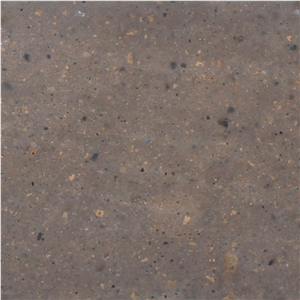
Indonesias Sukabumi Green Tuff is a type of natural stone that is commonly used for exterior applications. However, its suitability for use in cold climates depends on several factors.
Sukabumi Green Tuff is known for its unique properties, including its ability to regulate temperature and retain heat. This makes it suitable for outdoor use in warmer climates, as it can help keep surfaces cool in hot weather. However, in cold climates, where freezing temperatures are common, there are a few considerations to keep in mind:
1. Freeze-thaw cycles: Natural stones, including Sukabumi Green Tuff, can be susceptible to damage from freeze-thaw cycles, where water penetrates the stone and expands upon freezing, causing cracks and spalling. In cold climates, the stone should be installed with proper care, including using appropriate sealants and maintaining good drainage to prevent water from accumulating and freezing inside the stone.
2. Durability: Sukabumi Green Tuff is known for its durability and resistance to weathering. However, extreme temperatures and harsh weather conditions, such as prolonged freezing temperatures and heavy snowfall, can affect the stones integrity over time. Its important to consider the long-term durability and maintenance requirements when using this stone in cold climates.
3. Slip resistance: In cold climates, there is a higher chance of snow and ice accumulation, which can make surfaces slippery. The natural texture and non-slip properties of Sukabumi Green Tuff can help mitigate this issue, but regular maintenance, including cleaning and clearing of snow and ice, may still be necessary to ensure safety.
Ultimately, while Sukabumi Green Tuff can be used for exterior applications in cold climates, it is important to consider its specific properties, installation requirements, and long-term durability. Consulting with a professional stone supplier or installer familiar with the stones performance in cold climates is recommended to ensure its suitability for the intended use.


 Indonesia (Sukabumi, Bali, West Java)


 China

 13YR


 United Kingdom




 Spain
 Turkey