Tema Grey Granite

About
Item Details
- Material Type:
- Granite
- Origin:
Ghana (Tema) - Recommended Usage:
- Kitchen and bathroom countertops, monuments, building stone, ornamental stone, stairs, interior, exterior wall and floor applications, mosaic, waterjet pattern, wall panels, table tops, window sills, balustrades, columns, wall and pool copings, pool pavers, sculptures, fireplaces, pavers, cobbles, curbstone
- Additional Names:
- Tema Gray Granite, Salt and Pepper Granite, Ghana Grey Granite, Ghana Sesame Grey Granite
- Finished Surface:
- Polished,Flamed,Bush Hammered,Tumbled,Brushed,Honed,Split,Machine Cut,Natural Surface,Sandblasted,Acid Washing,Combed,Leathered,Water Jet,Filled,Chiseled,Pickling
Testing
- Water Absorption:
- 0.1–0.6 %
- Density:
- 2630–2750 kg/m³
- Flexural Strength:
- 10–25?MPa
- Compressive Strength:
- 130–220?MPa
Description
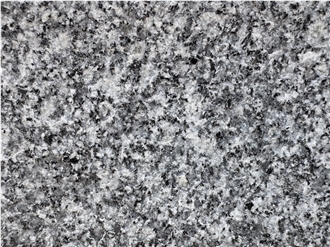
Tema Grey Granite is a natural igneous stone quarried near Tema, Ghana. It is a fine-grained grey granite with a consistent neutral tone, commonly referred to as sesame grey granite. This stone is valued for durability and its clean, subtle texture, making it suitable for both interior and exterior applications.
Texture and Pattern
- Texture: Fine-grained crystalline structure with tightly interlocked quartz and feldspar.
- Pattern: Uniform grey base with evenly distributed small specks of darker and lighter minerals, giving a “sesame” or peppered appearance.
- Visual Appeal: Neutral grey tones that work well in modern and classic design settings.
Typical Physical Properties
Exact lab test results for Tema Grey are not widely published; typical grey granite properties are:
- Compressive Strength: ~130–220 MPa
- Flexural Strength: ~10–25 MPa
- Density: ~2,630–2,750 kg/m³
- Water Absorption: ~0.1–0.6 %
- Hardness: Mohs 6–7
Chemical & Mineral Composition (Typical Granite)
- Quartz (SiO₂): ~20–40 %
- Feldspars: ~50–70 %
- Micas (biotite/muscovite): Minor amounts
- Accessory minerals: Small quantities influencing subtle coloring
Exact compositions require lab analysis from the quarry or supplier.
Usage & Applications
Interior:
- Flooring, wall cladding
- Countertops, vanity tops
- Stair treads and risers
- Decorative features
Exterior:
- Facades, building cladding
- Paving, walkways
- Landscaping, kerbstones
Surface Finish Options
- Polished: High gloss, enhances color and grain
- Honed: Matte, smooth surface
- Flamed: Rough texture for outdoor slip resistance
- Bush-Hammered / Sandblasted / Leathered: Textured finishes for grip and aesthetic variation
Maintenance
- Use mild, pH-neutral cleaners; avoid harsh acids
- Seal polished surfaces to prevent stains
- For outdoor use, occasional rinsing and resealing may be needed
- Granite’s density and low porosity make it easy to maintain
FAQ
When choosing a surface treatment for Tema Grey Granite walkway paving tiles, its important to consider factors like aesthetics, maintenance, safety, and the areas specific use. Here are some common surface treatments and their benefits:
1. **Polished Finish:**
- *Pros*: Offers a shiny, reflective surface that highlights the natural beauty and color variations in the granite.
- *Cons*: It can become quite slippery when wet, making it less suitable for outdoor walkways or areas exposed to moisture.
2. **Honed Finish:**
- *Pros*: Provides a smooth, matte finish that is less slippery than polished surfaces. It offers a more subtle appearance while still enhancing the granites color.
- *Cons*: It may show stains and scratches more easily than textured finishes.
3. **Flamed Finish:**
- *Pros*: Achieved by applying high heat, this treatment gives the granite a textured, non-slip surface. Its ideal for outdoor walkways as it provides excellent grip.
- *Cons*: The textured surface can make cleaning a bit more challenging and might have a rougher appearance.
4. **Bush-Hammered Finish:**
- *Pros*: Involves hammering the surface for a rugged texture, enhancing its slip resistance. Its suitable for high-traffic areas.
- *Cons*: It can create a more rustic appearance, which may not be suitable for all design preferences.
5. **Leathered Finish:**
- *Pros*: Offers a slightly textured surface with a soft sheen. It hides water spots and fingerprints better than polished finishes.
- *Cons*: It may require occasional sealing to maintain its appearance.
For a walkway that prioritizes safety and durability without sacrificing the beauty of the granite, a flamed or bush-hammered finish is often recommended. Both offer excellent slip resistance and durability for outdoor use. Ultimately, the choice will also depend on the desired aesthetic and the specific conditions of the area where the tiles will be installed.
Is sandblasted finish Tema Grey Granite paving slippery when wet?
Sandblasted finish Tema Grey Granite paving is generally less slippery than polished or honed surfaces. The sandblasting process creates a textured surface with small indentations and a slightly rougher texture, which can provide better traction. However, like most stone surfaces, it can still become somewhat slippery when wet, especially if there is moss, algae, or other debris on it. Its important to regularly maintain the surface and consider additional anti-slip treatments if necessary, especially for areas frequently exposed to rain or water.
How do you clean Tema Grey Granite paving tiles?
Cleaning Tema Grey Granite paving tiles involves several steps to ensure they maintain their natural beauty and durability. Here’s how you can clean them effectively:
1. **Regular Sweeping**: Begin by routinely sweeping the tiles with a soft-bristle broom to remove loose dirt, leaves, and debris that might scratch the surface.
2. **Rinsing with Water**: Use a garden hose to rinse the tiles with water. This helps remove surface dust and prepares the tiles for deeper cleaning.
3. **Mild Detergent Solution**: Prepare a mixture of warm water and a mild pH-neutral detergent or stone cleaner. Avoid acidic or alkaline cleaners, which can damage the granite’s surface.
4. **Scrubbing**: Use a soft brush or mop to scrub the tiles gently with the detergent solution. For stubborn stains, let the soap solution sit for a few minutes before scrubbing.
5. **Rinsing**: Thoroughly rinse the tiles with clean water to remove all soap residues. If soap is left behind, it can leave a film that attracts more dirt.
6. **Drying**: Use a squeegee, microfiber cloth, or mop to dry the surface and prevent water spots or streaks.
7. **Sealant Maintenance**: Granite is porous, so it’s advisable to apply a penetrating sealer periodically, as per the manufacturers advice, to protect against stains and moisture penetration. Always clean the tiles thoroughly before resealing.
8. **Stain Removal**: For tough stains, you might need to use a granite poultice or a specific granite cleaner. Follow the product instructions carefully for best results.
9. **Avoid Harsh Chemicals**: Do not use abrasive pads, acidic cleaners, or vinegar, as they can damage the granite surface.
By following these steps, you can keep your Tema Grey Granite paving tiles clean and in excellent condition. Regular maintenance not only enhances the longevity of the tiles but also keeps them looking pristine.
Does flamed finish Tema Grey Granite paving need sealing?
Flamed finish Tema Grey Granite paving typically does not require sealing because granite is a dense and durable natural stone that is generally resistant to water absorption and staining. However, sealing can provide additional protection against stains from oil, wine, or other substances as well as enhance the color and natural beauty of the stone.
Before deciding to seal, consider the specific conditions where the paving will be installed, including weather exposure, potential for stains, and intended use. If sealing is opted for, ensure that a suitable sealer recommended for granite is used, and follow the manufacturers instructions for application and maintenance. Remember to periodically reseal as necessary, depending on the sealants expected lifespan and the stones exposure to elements.
Can 5 cm thick Tema Grey Granite be used for driveway?
Using 5 cm thick Tema Grey Granite for a driveway is generally viable, but there are a few considerations to keep in mind. Granite is a durable and strong material, making it suitable for high-traffic areas like driveways. However, the thickness, installation method, and substrate preparation are crucial to ensuring the stones effectiveness and longevity in this application.
1. **Thickness**: At 5 cm (about 2 inches) thick, Tema Grey Granite can typically handle the weight of vehicles if properly supported. Thicker stones may provide more durability for heavier loads.
2. **Installation**: Proper installation is crucial. The granite should be laid on a well-compacted base, often comprising gravel or crushed stone, with sand or mortar bedding. This setup helps distribute the weight evenly and prevents shifting or cracking.
3. **Slope and Drainage**: Ensure the driveway has a slight slope for drainage to prevent water pooling, which can lead to undermining the base.
4. **Climate Considerations**: In areas with freeze-thaw cycles, additional considerations for drainage and expansion joints may be necessary to prevent the stone from cracking.
5. **Sealing**: Granite is naturally resilient, but sealing the stone can help protect against staining, especially from vehicle oils or other substances.
If these factors are addressed, 5 cm thick Tema Grey Granite can be a practical and aesthetically pleasing choice for a driveway surface. Consulting with a professional installer who has experience with granite installations is advisable to ensure optimal results.
How thick should Tema Grey Granite pool terrace pavers be?
When selecting the thickness for Tema Grey Granite pool terrace pavers, there are a few factors to consider. Typically, granite pavers used for pool terraces should be thick enough to provide durability and stability. Standard thicknesses for pool terrace pavers range from 1.25 inches (about 3.2 cm) to 2 inches (about 5 cm).
A thickness of 1.25 inches is generally sufficient for residential applications, especially if they are being laid on a well-prepared, stable base. However, if the area will experience heavy traffic or is used for commercial purposes, opting for a thicker paver, such as 2 inches, is advisable to ensure long-lasting performance. Always consult with a professional installer or engineer to determine the best thickness for your specific situation, taking into account factors like climate, expected load, and the specific installation method.


3YR


