Post Your Needs

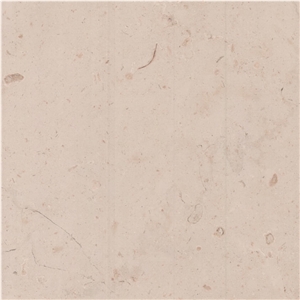
Tiger Skin Limestone

Limestone

Portugal

About

Item Details

Material Type:
Limestone
Origin:
Portugal (Alcobaça, Leiria)
Recommended Usage:
kitchen and bathroom countertops, wash basins, building stone, ornamental stone, stairs, interior, exterior wall and floor applications, mosaic, waterjet pattern, wall panels, table tops, balustrades, columns, wall and pool copings, pool pavers, sculptures, fireplaces, window sills
Additional Names:
Tiger Skin Blue Limestone, Calcário Azul Pele de Tigre, Gascogne Blue Limestone, Moleanos Blue Limestone, Azul Moleanos Limestone
Finished Surface:
Polished,Bush Hammered,Tumbled,Brushed,Honed,Split,Machine Cut,Natural Surface,Sandblasted,Acid Washing,Combed,Leathered,Water Jet,Filled,Chiseled,Pickling

Testing

Water Absorption:
1.73% by weight
Density:
2567 kg/m³
Flexural Strength:
10.5 MPa
Compressive Strength:
95.43 – 103.0 MPa

Description

Tiger Skin Limestone is an elegant Portuguese natural stone characterized by a distinctive blue-grey base color, enriched with varying shades of grey and subtle tonal shifts that create a calm yet visually dynamic appearance. Its surface often features faint fossilized shell inclusions and soft natural markings, giving the stone a refined organic character without strong contrast. The overall aesthetic is balanced and sophisticated, making it suitable for contemporary architectural applications where subtle movement and natural texture are desired.

Texture & Pattern

Tiger Skin Limestone is a fine- to medium-grained sedimentary limestone with a compact calcitic matrix. Its texture is generally uniform but enriched with natural fossil fragments and micro-variations in tone. The pattern is typically soft and cloud-like, with occasional linear or patchy fossil structures that enhance depth without overpowering the surface.

Physical & Mechanical Test Results

  • Density: 2567 kg/m³
  • Water Absorption: 1.73% (by weight)
  • Flexural Strength: 10.5 MPa
  • Compressive Strength: 95.43 – 103.0 MPa

Hardness

  • Mohs hardness: ~3–4
  • Moderate hardness typical of Portuguese limestones
  • Good machinability and finishing performance
  • Suitable for precision cutting and architectural detailing

Chemical & Mineral Composition (typical % by weight)

  • Calcite (CaCO₃): 88–94%
  • Dolomite: 1–4%
  • Quartz: 1–3%
  • Clay minerals: 1–4%
  • Fossil/shell fragments: visible characteristic feature
  • Iron-bearing minerals: trace amounts contributing to grey-blue tones

Usage

Tiger Skin Limestone is widely used in:

  • Interior flooring and wall cladding
  • Exterior façades and ventilated façades
  • Staircases and architectural detailing
  • Bathrooms and spa environments
  • Commercial and residential buildings
  • Landscape and urban design projects

Maintenance

  • Clean with pH-neutral stone cleaning products only
  • Avoid acidic or abrasive substances
  • Apply impregnating sealer for protection
  • Promptly clean spills to avoid staining
  • Regular maintenance preserves color and surface quality

Surface Finish Options

  • Polished (smooth reflective finish)
  • Honed (matte elegant surface)
  • Brushed (soft textured finish)
  • Sandblasted (anti-slip surface)
  • Leathered (subtle tactile texture)
  • Machine-cut (precision architectural use)
  • Waterjet cut (decorative applications)

FAQ

Is Tiger Skin Limestone with a glossy polished surface good for office flooring?

Tiger Skin Limestone with a glossy polished surface can be a good choice for office flooring, but there are some considerations to keep in mind: 1. **Aesthetic Appeal**: The distinctive appearance of Tiger Skin Limestone, with its unique veining and pattern, can add a sophisticated and elegant look to an office space. A glossy polish enhances its natural beauty and can create a luxurious atmosphere. 2. **Durability**: Limestone is a relatively durable material, but it is softer than other natural stones like granite. It can withstand regular foot traffic, but in very high-traffic areas, it might wear down faster. 3. **Maintenance**: Polished limestone requires regular maintenance to maintain its gloss. It can show scratches and wear more easily than matte finishes. Spills should be cleaned up promptly to avoid staining, as limestone is porous. 4. **Slip Resistance**: A glossy polished surface might be slippery, especially when wet. Consider the safety of employees and visitors, particularly in areas where water may be present. 5. **Cost**: Natural stone flooring can be more expensive than other flooring options. Consider the budget for your office space and whether the investment aligns with your needs. 6. **Environmental Factors**: Consider the climate and interior environment of the office. Limestone might react to humidity and temperature changes, which could affect its longevity. If you choose this material, regular sealing and appropriate cleaning regimens should be part of maintenance practices. Evaluating these factors will help determine if Tiger Skin Limestone with a polished surface is suitable for your specific office environment.

Is Tiger Skin Limestone a suitable choice for gravestones?

Tiger Skin Limestone can be a suitable choice for gravestones in certain conditions, but there are several factors to consider before making a decision: 1. **Durability**: Limestone is generally softer and more porous compared to granite or marble, making it more susceptible to weathering and erosion over time. This means that in harsh climates, especially where there are freeze-thaw cycles or acid rain, Tiger Skin Limestone might degrade quicker than more durable stones. 2. **Appearance**: Tiger Skin Limestone is known for its unique and attractive coloration and patterns, which can make for a visually striking gravestone. If aesthetic appeal is a primary consideration and the local climate is not too harsh, it might be a good option. 3. **Maintenance**: Because limestone is porous, it can be more prone to staining and biological growth like moss and lichen. Regular cleaning and maintenance may be necessary to preserve the stones appearance. 4. **Cost**: Limestone is typically more affordable than granite or marble, which might make Tiger Skin Limestone a more cost-effective choice if budget is a concern. 5. **Cultural and Regional Considerations**: In some regions, limestone might be a traditional or locally sourced material, which might make it more meaningful or desirable. If you are considering Tiger Skin Limestone for a gravestone, its important to weigh these factors and consult with a local stone supplier or memorial specialist to assess the suitability given your specific location and needs.

Will a hot pot leave a mark on a Tiger Skin Limestone kitchen countertop?

Yes, placing a hot pot directly on a Tiger Skin Limestone countertop can potentially leave a mark. Limestone is a natural stone that is relatively porous and sensitive to heat. Direct contact with a hot pot could cause thermal shock, leading to discoloration or even cracking. Its advisable to use trivets or heat-resistant pads to protect your countertop when dealing with hot cookware.

If lemonade spills on a Tiger Skin Limestone kitchen countertop, will it damage the surface?

Tiger Skin Limestone is a type of natural stone, and like many natural stones, it is susceptible to damage from acidic substances like lemon juice. Lemonade, which contains lemon juice, can potentially etch or dull the surface of the limestone if left on it for too long. Limestone is a calcium carbonate-based stone, similar to marble, and is particularly sensitive to acids. When acidic substances come into contact with such stones, a chemical reaction can occur, resulting in etching, which appears as dull spots or marks on the surface. To prevent damage: 1. Wipe up the spill immediately with a soft, damp cloth. 2. Clean the area with a mild pH-balanced cleaner appropriate for natural stone. 3. To protect the surface, consider applying a suitable stone sealer regularly, as recommended by the manufacturer or installer. Regular maintenance and prompt attention to spills can help preserve the appearance of a Tiger Skin Limestone countertop.

Can I use bleach when cleaning a Tiger Skin Limestone kitchen countertop?

Using bleach on a Tiger Skin Limestone countertop is not recommended. Limestone is a porous and relatively soft stone, and bleach can cause damage to its surface. The harsh chemicals in bleach can etch, discolor, or damage the finish of the limestone, leading to a dull appearance and potential long-term deterioration. For cleaning limestone surfaces, its best to use a pH-neutral cleaner specifically designed for natural stone. Alternatively, you can use a mild dish soap mixed with warm water. Always use a soft cloth or sponge and avoid abrasive cleaning tools to prevent scratching the surface. To maintain the longevity and appearance of your limestone countertop, it might also be beneficial to reseal it periodically, as recommended by the manufacturer or a professional stone care expert.

If I cut meat directly on my Tiger Skin Limestone kitchen countertop, will it damage the surface?

Cutting meat directly on your Tiger Skin Limestone countertop is not recommended. Limestone is a relatively soft and porous natural stone, which makes it susceptible to scratches, stains, and etches. Using knives directly on the surface can easily cause scratches and dull the finish of the stone. Additionally, the porous nature of limestone makes it prone to absorbing liquids, which could lead to staining, especially from meat juices or other acidic substances. To protect your countertop, it’s best to use a cutting board when preparing food. Not only will this help preserve the appearance and longevity of your countertop, but it will also provide a safer and more hygienic surface for food preparation.

Products & Prices

View More

Hot Limestone

New Limestone

Post Your Request

The request includes:
  1. surface finished, size
  2. quantity required