Granite and labradorite are both types of natural stones commonly used in construction and as decorative materials. However, they differ in terms of composition, appearance, and properties:
1. Composition: Granite is an igneous rock composed mainly of quartz, feldspar, and mica minerals, while labradorite is a feldspar mineral belonging to the plagioclase series.
2. Appearance: Granite typically has a speckled, granular appearance with various colors and patterns due to the different minerals present in its composition. Labradorite, on the other hand, is known for its iridescent play of colors, known as labradorescence or schiller effect, which is caused by its unique optical properties.
3. Durability: Granite is known to be a highly durable and hard material, making it suitable for various applications, including countertops and flooring. Labradorite is also relatively durable but may be slightly less hard than granite.
4. Availability: Granite is widely available in various parts of the world and comes in a wide range of colors and patterns. Labradorite, on the other hand, is less common and is mainly sourced from specific regions like Finland, Madagascar, and Canada.
5. Use: Granite is commonly used for kitchen countertops, bathroom surfaces, flooring, and other architectural elements due to its durability and aesthetic appeal. Labradorite is often used as a decorative stone in jewelry, interior design, and as a gemstone due to its unique optical properties.
Overall, while both granite and labradorite are natural stones, they differ in terms of composition, appearance, and use, making them suitable for different applications and aesthetic preferences.


 Madagascar

 8YR

 China

 Italy
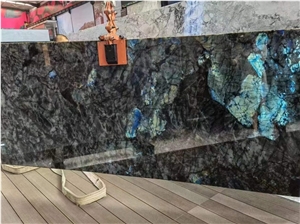


 Brazil
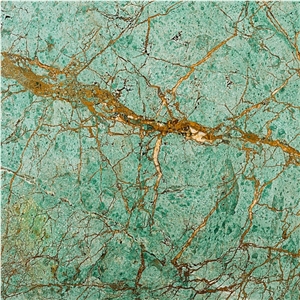
 Iran

 Norway


 India


 Australia


 Cambodia