Post Your Needs

Tufo Giallo Tuff

Yellow - Tuff

Italy

About

Item Details

Material Type:
Tuff
Origin:
Italy (Canino, Valentano, Bolsena, Provincia di Viterbo, Lazio)
Primary Color(s):
Yellow
Recommended Usage:
Monuments, building stone, ornamental stone, stairs, interior, exterior wall and floor applications, mosaic, wall panels, reliefs, window sills, balustrades, columns, wall and pool copings, pool pavers, sculptures, fireplaces, cobbles, pavers, curbstone
Additional Names:
Tufo Chiaro Tuff, Tufo di Bolsena, Canino Volcanic Tuff Stone, Tufo Giallo
Finished Surface:
Flamed,Bush Hammered,Tumbled,Brushed,Honed,Split,Machine Cut,Natural Surface,Sandblasted,Acid Washing,Combed,Leathered,Water Jet,Filled,Chiseled,Pickling

Testing

Water Absorption:
10 - 15 By volume %
Density:
2000 - 2250 kg/m3
Flexural Strength:
4.3 - 5.0 MPa
Compressive Strength:
20.9 - 27.7 MPa
Stone texture:
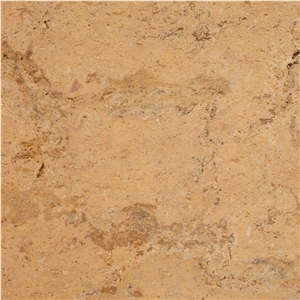
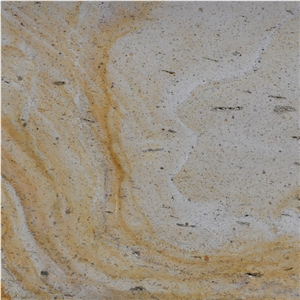
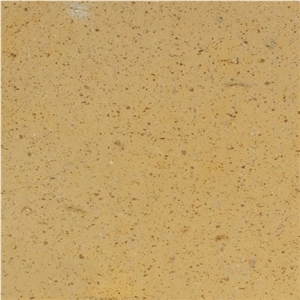
distinguished by its warm yellow to golden-beige coloration, sometimes showing pale straw-yellow, light ochre, or slightly greyish-yellow shades depending on the quarry layer. The stone typically presents a soft, earthy appearance with subtle tonal variations and occasional lighter or darker patches created by volcanic ash deposits and pumice fragments embedded in the matrix. Its visual character is generally uniform but naturally rustic, giving surfaces a warm Mediterranean architectural aesthetic often associated with traditional Italian masonry. Texturally, Tufo Giallo exhibits a fine-grained, porous and vacuolar structure typical of volcanic tuff, formed from compacted volcanic ash and pyroclastic materials; this results in a lightweight yet cohesive stone with numerous microscopic cavities and small pumice inclusions within a consolidated ash matrix. The structure is relatively soft and workable when freshly quarried but gradually hardens after exposure to air, making it easy to cut and shape while still providing adequate strength and durability for building elements.

Description

Tufo Giallo Tuff, a distinguished volcanic stone known for its warm yellow to golden-beige coloration, brings historical charm and Mediterranean aesthetics to architectural projects. Its subtle tonal variations and natural rusticity are highly valued, especially in traditional Italian masonry. Below, you will find a detailed description of its physical and mechanical properties, chemical and mineral compositions, usage, and more.

Physical and Mechanical Properties

  • Water Absorption: 10 - 15% by volume
  • Density: 2000 - 2250 kg/m³
  • Flexural Strength: 4.3 - 5.0 MPa
  • Compressive Strength: 20.9 - 27.7 MPa
  • Hardness: Relatively soft when freshly quarried; hardens over time
  • Porosity: High due to the vacuolar structure, contributing to its lightweight nature
  • Slip Resistance: Generally moderate, varies with finish

Chemical and Mineral Composition

  • Silica (SiO₂): Main component, typically found in high quantities
  • Alumina (Al₂O₃): Present in minor amounts
  • Iron Oxides (Fe₂O₃): Impart coloration and contribute to its warm hues
  • Calcium Oxide (CaO): Occurs in varying proportions
  • Magnesium Oxide (MgO), Sodium Oxide (Na₂O), Potassium Oxide (K₂O), and other trace elements may also be present to varying extents

Usage

  • Architectural Applications:
  • Exterior Cladding: Enhances facades with its signature color and texture
  • Interior Walls: Provides warmth and character
  • Landscaping: Used in garden walls and outdoor structures
  • Historical Restoration: Ideal for refurbishing older buildings due to its traditional look

Maintenance

  • Cleaning: Regular dusting and occasional gentle washing; avoid acidic cleaners
  • Sealing: To enhance durability and reduce water absorption, sealing might be required based on exposure

Cutting Sizes and Surface Finishes

Cutting Sizes:

  • Typical slabs available in a range of custom sizes, commonly starting from thicknesses of 3 cm and upwards; specific dimensions are cut to project requirements

Common Surface Finishes:

  • Natural Split: Retains a rustic, natural texture
  • Honed: Provides a smooth, matte surface enhancing the color without gloss
  • Sandblasted: Creates a slightly rough texture, adding to slip resistance

Tufo Giallo Tuff embodies both the practical and aesthetic qualities sought after in building materials, particularly suited for projects aiming to capture historical charm and the essence of Mediterranean architecture. Its blend of workability, traditional appearance, and natural beauty makes it a favored choice for architects and builders.

FAQ

Can Italy's Tufo Giallo Tuff be used exterior applications in very windy climates?

Yes, Tufo Giallo tuff can be used for exterior applications in windy climates. Tuff is a type of volcanic rock that is known for its durability and ability to withstand harsh weather conditions. It is commonly used in construction and landscaping projects, including outdoor facades and walls. However, it is recommended to consult with a professional or a local architect experienced in working with tuff to ensure the specific needs of the project and local climate are taken into consideration.

Can Italy's Tufo Giallo Tuff be used in landscaping?

Yes, Italys Tufo Giallo Tuff can be used in landscaping. Tuff is a type of rock formed from volcanic ash and can be found in various colors, including the yellowish hue of Tufo Giallo. It is commonly used as a building material, but it can also be utilized in landscaping projects such as creating pathways, retaining walls, garden borders, or decorative features. Its porous and lightweight nature makes it easy to work with and gives it good drainage properties. However, its always important to consult with a professional landscaper or geologist to assess the specific conditions of your project and determine the suitability of this material.

What is the coefficient of friction of Filled Italy's Tufo Giallo Tuff tiles?

The coefficient of friction of Filled Italys Tufo Giallo Tuff tiles can vary depending on various factors such as the specific finish, surface texture, and any additional treatments applied to the tiles. It is best to refer to the product specifications or consult with the manufacturer or supplier of the tiles to obtain the exact coefficient of friction for the specific product in question.

Can Italy's Tufo Giallo Tuff be used in a kitchen?

Yes, Tufo Giallo Tuff can be used in a kitchen. It is a type of tuff stone that is commonly used as a building material for various applications, including kitchen countertops, walls, and flooring. It is durable, heat-resistant, and can withstand the demands of a kitchen environment. However, its always recommended to consult with a professional architect or installer to determine the suitability and proper installation methods for specific projects.

Can Italy's Tufo Giallo Tuff be used outdoors?

Yes, Italys Tufo Giallo tuff can be used outdoors. Tufo Giallo tuff is known for its durability and resistance to weathering, making it suitable for outdoor applications such as paving, landscaping, and construction. However, it is advisable to consult with professionals or suppliers familiar with the specific type of tuff and its intended use to ensure it meets the required specifications and performance standards for outdoor use.

What is the average compressive strength of Italy's Tufo Giallo Tuff?

The average compressive strength of Italys Tufo Giallo Tuff can vary depending on the specific geological characteristics and quarry location. Typically, Tufo Giallo Tuff has an average compressive strength ranging from 2 to 10 megapascals (MPa). However, it is important to note that this range can differ based on factors such as porosity, weathering, and other site-specific variables.

Is Italy's Tufo Giallo Tuff an expensive stone?

Yes, Italys Tufo Giallo Tuff can be considered an expensive stone. The price of Tufo Giallo Tuff can vary depending on factors such as quality, rarity, and market demand. It is commonly used in high-end construction and architectural projects, which further contributes to its relatively higher cost.

How thick is Italy's Tufo Giallo Tuff slabs?

I dont have access to the latest slab offerings of Tufo Giallo Tuff, which may vary in thickness. However, Tuff is generally available in thicknesses between 2 and 10 inches, making it a useful material for building and construction products such as slabs. Its best to check with suppliers or manufacturers for the most up-to-date information on their slab thickness offerings.

What grade is Italy's Tufo Giallo Tuff?

I cannot find any information about the grade of Italys Tufo Giallo Tuff. However, tuff typically refers to a type of volcanic rock that is commonly used as building material. Tufo Giallo Tuff is a type of yellow tuff found in Italy, which is often used for construction and decorative purposes.

Are there color variations of Italy's Tufo Giallo Tuff?

I do not have the current information or database that can confirm the presence of any color variations in Italys Tufo Giallo Tuff. However, the Tufo Giallo Tuff is primarily yellow in color, and any variations of this color would depend on the mineral composition and geological factors unique to the particular region where it is extracted.

Hot Yellow Tuff

New Tuff

Post Your Request

The request includes:
  1. surface finished, size
  2. quantity required