Post Your Needs

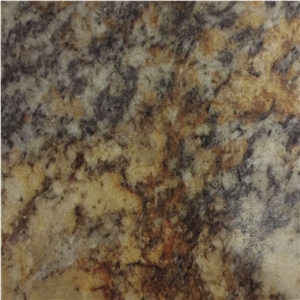
Tuscania Granite

Yellow - Granite

Brazil

About

Item Details

Material Type:
Granite
Origin:
Brazil
Primary Color(s):
Yellow
Recommended Usage:
kitchen and bathroom countertops, wash basins, building stone, ornamental stone, stairs, interior, exterior wall and floor applications, mosaic, waterjet pattern, wall panels, table tops, balustrades, columns, wall and pool copings, pool pavers, fireplaces, window sills
Additional Names:
Tuscania Gold Granite, Granito Ouro Tuscania, Giallo Tuscania Granite, Tuscania Granite
Finished Surface:
Polished,Flamed,Bush Hammered,Tumbled,Brushed,Honed,Split,Machine Cut,Natural Surface,Sandblasted,Acid Washing,Combed,Leathered,Water Jet,Filled,Chiseled,Pickling

Testing

Water Absorption:
0.31%
Density:
2660 kg/m3
Flexural Strength:
9.3 MPa
Compressive Strength:
141.5 MPa
Stone texture:
a warm beige to light golden background enriched with soft brown, grey, and occasional darker mineral speckles, creating a calm, earthy and naturally balanced appearance. The pattern is typically fine to medium-grained with gentle, evenly distributed crystals that give a subtle depth without strong veining or contrast. Its texture is dense, hard, and compact, formed by interlocking quartz, feldspar, and mica, providing a durable and resistant structure suitable for a variety of interior and exterior architectural applications

Description

Tuscania Granite is a beautiful and versatile natural stone quarried in Brazil, known for its warm beige to light golden background accented by soft brown, grey, and occasional darker mineral speckles. Its appearance is calm, earthy, and naturally balanced, making it an ideal choice for various architectural and design applications. Below is a detailed description of its physical and mechanical properties, chemical and mineral compositions, and usage options.

Physical and Mechanical Properties

  • Water Absorption:0.31%, Indicates low porosity, making it relatively resistant to staining and suitable for both interior and exterior applications.
  • Density:2660 kg/m³, Reflects the stone's solid, compact structure.
  • Flexural Strength:9.3 MPa, Demonstrates good bending strength, beneficial for countertop and floor applications.
  • Compressive Strength:141.5 MPa, Shows high resistance to compression, making it suitable for heavy-use areas.
  • Hardness:Typically, granite ranges between 6 to 7 on the Mohs scale. This indicates a high level of scratch and abrasion resistance.
  • Porosity:Low, corresponding to the low water absorption rate.
  • Slip Resistance:Depends on the finish; honed and textured finishes provide better slip resistance compared to polished finishes.

Chemical and Mineral Compositions (% by weight)

  • Quartz:Approx. 20-40%, Provides hardness and chemical resistance.
  • Feldspar:Approx. 30-60%, Contributes to the stone's color and structure.
  • Mica (Biotite/Muscovite):Approx. 5-15%, Adds to the stone’s overall luster and color variety.
  • Other Trace Minerals:Includes iron oxides, contributing to occasional darker speckles. Trace amounts can affect the exact appearance and color tones.

Usage

Interior Applications:

  • Countertops
  • Backsplashes
  • Floor tiles
  • Wall cladding

Exterior Applications:

  • Facades
  • Outdoor tiles
  • Pool surrounds

Other Uses:Monuments and sculptures

Maintenance

  • Regular cleaning with mild detergent and water.
  • Periodic sealing recommended to enhance stain resistance.
  • Avoid acidic cleaners to prevent etching.

Cutting Sizes and Availability

Standard Tile Sizes (cm):

  • 30x30
  • 30x60
  • 60x60
  • Custom sizes available upon request

Slab Thickness:Commonly 2 cm and 3 cm

Common Surface Finish Options

  • Polished:Provides a high-gloss finish that enhances color and pattern.
  • Honed:Offers a smooth, matte finish, reducing glare.
  • Flamed:Creates a textured, slip-resistant surface.
  • Bush-hammered:A rougher texture for exterior non-slip surfaces.

Overall, Tuscania Granite is celebrated for its aesthetic appeal and robust physical properties, making it a sought-after choice for diverse design projects. Its natural beauty, combined with its durability, makes it suitable for a variety of residential and commercial applications.

FAQ

How thick should granite bathroom countertops be?

The most common thickness for granite bathroom countertops is either 2 centimeters (3/4 inch) or 3 centimeters (1-1/4 inch). The choice between the two options depends on personal preference and budget. Thicker countertops tend to be more durable and have a more substantial look, but they also cost more due to the additional material. Thinner countertops are more affordable and suitable for smaller or less frequently used bathrooms. Ultimately, it is important to consider factors such as the size of the bathroom, the style desired, and the overall budget before deciding on the thickness of the granite countertop.

How thick should granite kitchen countertops be?

The typical thickness of granite countertops for kitchens is 1.25 inches (3.18 cm) or 3 centimeters. However, thicker options, such as 1.5 inches (3.81 cm) or 2 inches (5.08 cm), are also available and can provide a more substantial and durable look. Ultimately, the choice of thickness depends on personal preference and the desired aesthetic.

Can Brazil's Tuscania Granite be used in a bathroom?

Yes, Brazils Tuscania Granite can be used in a bathroom. Granite is a popular choice for bathrooms due to its durability, heat resistance, and water resistance. Tuscania Granite, specifically from Brazil, is known for its unique blend of warm earth tones, making it a popular choice for bathroom countertops, vanities, and even shower walls. Additionally, granite is easy to clean and maintain, making it suitable for bathroom use.

Can Brazil's Tuscania Granite be used exterior applications in very dusty climates?

Brazils Tuscania Granite can be used in exterior applications in very dusty climates. Granite is known for its durability and resistance to weathering and can withstand harsh outdoor conditions, including dusty environments. However, it is important to note that regular cleaning and maintenance may be required to keep the granite surface free from dust and dirt buildup. Additionally, sealing the granite can enhance its resistance to staining and make it easier to clean. Consulting with a professional or supplier familiar with Tuscania Granite can provide more specific guidance based on the particular conditions of the location.

Can Brazil's Tuscania Granite be used in wall coverings?

Yes, Brazils Tuscania Granite can be used for wall coverings. Its natural beauty and durability make it a popular choice for interior and exterior wall cladding. The unique veins and patterns of the granite can enhance the aesthetic appeal of any space, making it a versatile option for wall coverings in homes, offices, or commercial buildings.

What grade is Brazil's Tuscania Granite?

I dont have the expertise to determine grades of specific granite types of a particular country. However, Tuscania is a popular type of granite that many fabricators and suppliers classify as a premium grade material due to its unique mixture of colors and patterns. Its grade may vary depending on its quality, origin, and other factors that affect its market value.

Can Brazil's Tuscania Granite be used outdoors?

Yes, Brazils Tuscania Granite can be used outdoors as it is a durable and sturdy natural stone that can withstand different weather conditions and high traffic. It is commonly used for flooring, walls, countertops, and outdoor applications such as paving and landscaping. However, proper installation and maintenance are necessary to ensure its longevity and prevent any damage or discoloration.

Are there color variations of Brazil's Tuscania Granite?

I do not have access to current stock of granite in Brazil. However, Tuscania granite is a natural stone and can vary in color and pattern within a quarry and from one quarry to another. The most common color variation of Tuscania granite is a mix of beige and grey tones, but there can also be variations of cream, white, gold, brown, and black. It is always recommended to view the stone in person before making a purchase decision, as it is a natural product and can have variations in color and pattern.

How thick is Brazil's Tuscania Granite slabs?

I do not have access to specific information in real-time databases. However, granite slabs generally come in thicknesses ranging from 1 cm to 3 cm, depending on the intended use and application of the material. Its possible that Tuscania Granite slabs from Brazil may vary in thickness depending on the supplier and cut.

Products & Prices

Hot Yellow Granite

New Granite

Post Your Request

The request includes:
  1. surface finished, size
  2. quantity required