Post Your Needs

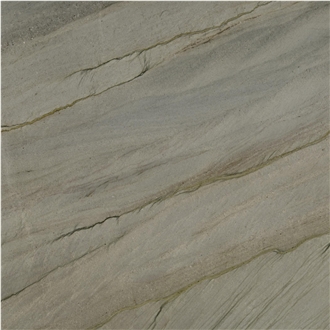
Valentino Quartzite

Quartzite

Brazil

About

Item Details

Material Type:
Quartzite
Origin:
Brazil
Recommended Usage:
kitchen and bathroom countertops, wash basins, building stone, ornamental stone, stairs, interior, exterior wall and floor applications, mosaic, waterjet pattern, wall panels, table tops, balustrades, columns, wall and pool copings, pool pavers, sculptures, fireplaces, window sills
Additional Names:
Valentino White Quartzite, Valentino Dolomite, Valentino Marble
Finished Surface:
Polished,Bush Hammered,Tumbled,Brushed,Honed,Split,Machine Cut,Natural Surface,Sandblasted,Combed,Leathered,Water Jet,Filled,Chiseled,Pickling

Testing

Water Absorption:
0.08 - 0.30%
Density:
2660 - 2700 kg/m³
Flexural Strength:
15 - 21 MPa
Compressive Strength:
200 - 220 MPa

Description

Valentino Quartzite is a premium natural stone quarried in Brazil, distinguished by its bright white crystalline base enriched with soft and elegant veining in shades of silver, light grey, and subtle gold. This quartzite presents a refined and luxurious aesthetic, combining purity of color with gentle mineral movement that enhances its depth and visual sophistication. Its crystalline structure provides excellent durability while maintaining a soft, elegant appearance suitable for high-end architectural and interior design applications.

Texture & Pattern: Fine- to medium-grained crystalline quartzite with a dense metamorphic structure and tightly interlocking quartz crystals. The surface displays soft flowing veins and cloud-like mineral formations in silver, grey, and gold tones, creating a calm and balanced visual composition with subtle directional movement.

Color & Appearance:

  • Base Color: Bright white to snow-white crystalline background
  • Veining Colors: Silver, light grey, soft beige, and subtle gold accents
  • Overall Appearance: Elegant, clean, and luminous with gentle natural movement

Mineralogical Composition (% by weight):

  • Quartz (SiO₂): 88–96%
  • Feldspar: 1–5%
  • Mica: 1–3%
  • Accessory minerals (iron oxides, trace silicates): 1–4%

Chemical Composition (% by weight):

  • SiO₂: 88–96%
  • Al₂O₃: 1–4%
  • Fe₂O₃: 0.2–2%
  • K₂O + Na₂O + CaO + MgO: <3%

Technical Test Results :

  • Apparent Density: 2.66–2.70 g/cm³
  • Water Absorption: 0.08–0.30%
  • Compressive Strength: 200–220 MPa
  • Flexural Strength: 15–21 MPa
  • Mohs Hardness: 6.5–7
  • Abrasion Resistance: High

Usage:

  • Kitchen countertops and islands
  • Bathroom vanities
  • Wall cladding and feature walls
  • Flooring and staircases
  • Hotel lobbies and luxury interiors
  • Fireplace surrounds
  • High-end residential and commercial projects

Maintenance:

  • Periodic sealing recommended for stain resistance
  • Clean using pH-neutral stone cleaners
  • Avoid acidic or abrasive cleaning agents
  • Wipe spills promptly to maintain surface clarity
  • Low maintenance due to low porosity and high hardness

FAQ

If I use 1.2 cm thick Valentino Quartzite as a table top, will it be strong enough? Will it break easily?

Valentino Quartzite is known for its durability and strength, but using a 1.2 cm (approximately 0.47 inches) thick slab as a tabletop does pose some considerations: 1. **Strength**: While quartzite is a strong natural stone, a thickness of 1.2 cm is relatively thin for a tabletop. Thicker slabs, such as 2 cm (0.79 inches) or 3 cm (1.18 inches), are typically recommended because they offer greater strength and resistance to breaking or warping under pressure. 2. **Support**: If you decide to use a 1.2 cm thick slab, its crucial to ensure that the table has adequate support. This might include a sturdy base or frame to support the quartzite uniformly across its surface, minimizing the risk of breakage. 3. **Usage**: Consider how the table will be used. If the table is meant for light use, such as a decorative piece or a side table, the thin slab might suffice. However, for a heavily used dining table or kitchen countertop, the risk of damage increases with a thinner slab. 4. **Edges and Overhangs**: Any edges or overhangs should be minimized or adequately supported to prevent stress on the thin slab, as this could lead to cracking or breaking. 5. **Professional Installation**: Its advisable to have the quartzite installed by professionals who can ensure that the support and mounting are correctly done to reduce the risk of damage. In summary, while you can use a 1.2 cm thick Valentino Quartzite slab for a tabletop, it will require careful construction and support to maintain its integrity. For higher durability and fewer concerns about breakage, opting for a thicker slab would be recommended.


The hot pan left a mark on my Valentino Quartzite kitchen countertop—how can I clean it?

Cleaning a heat mark on a Valentino Quartzite countertop requires a gentle approach to prevent further damage. Here are some steps you can try: 1. **Assess the Damage:** Determine if the mark is a surface scorch or if it has penetrated deeper. 2. **Mild Cleaning Solution:** Start with a mild cleaning solution made from warm water and a few drops of dish soap. Use a soft cloth or sponge to gently clean the area. 3. **Baking Soda Paste:** If the mark persists, create a paste with baking soda and water. Apply it to the mark, let it sit for 10-15 minutes, then gently scrub with a soft cloth or sponge. Rinse thoroughly with water and dry. 4. **Hydrogen Peroxide:** For tougher stains, you can use hydrogen peroxide. Apply it to a cloth and gently rub the mark. Be cautious with this method, as prolonged exposure can dull the finish of natural stone. 5. **Stone Cleaner:** Use a commercial stone cleaner specifically designed for quartzite. Follow the manufacturers instructions for application. 6. **Poultice Paste:** If the mark is stubborn, consider using a poultice specifically designed for stone surfaces. Follow the instructions on the product to pull the stain from the stone. 7. **Professional Help:** If these methods do not work or if you’re unsure about DIY solutions, consider consulting a professional stone care expert to assess and treat the damage. **Preventive Measures:** - Always use trivets or hot pads under hot pans and pots. - Clean spills promptly to avoid staining. - Use cutting boards instead of cutting directly on the countertop. Remember to always test any cleaning method on a small, inconspicuous area first to ensure it doesnt adversely affect the stone.

If lemonade spills on a Valentino Quartzite kitchen countertop, will it damage the surface?

Valentino Quartzite is known for its durability and resistance to heat and scratching, making it a popular choice for kitchen countertops. However, like many natural stones, it is porous to some extent and can be susceptible to staining from acidic substances, such as lemon juice. If lemonade spills on a Valentino Quartzite countertop, its important to clean it up quickly to minimize the risk of staining or etching. Wipe the spill with a soft cloth or sponge and use a pH-neutral cleaner to ensure that no residue is left behind. Regular sealing of the quartzite surface can help improve its resistance to stains and etching from acidic substances. This proactive maintenance will prolong the appearance and durability of the countertop.

Can I use bleach when cleaning a Valentino Quartzite kitchen countertop?

Using bleach on a Valentino Quartzite countertop is not recommended. Quartzite is a natural stone, and while it is generally durable, harsh chemicals like bleach can potentially damage the surface and degrade its natural sheen. Instead, use a mild dish soap mixed with warm water and a soft cloth or sponge to clean the countertop. Avoid any acidic or abrasive cleaners, as they can etch the surface. Its also a good idea to periodically seal your quartzite countertop to protect it from stains and damage. Always follow the manufacturers care instructions for the best results.

If I cut meat directly on my Valentino Quartzite kitchen countertop, will it damage the surface?

Valentino Quartzite is a durable and hard natural stone, which makes it quite resistant to scratches and heat. However, its important to exercise caution when cutting directly on any countertop surface, including quartzite. While quartzite is more resilient compared to softer stones, using sharp knives directly on it can still potentially cause scratches or dull the knives. Additionally, cutting raw meat directly on the surface can create sanitation concerns. To protect both your countertop and your knives, its advisable to use a cutting board whenever preparing food. This will help maintain the quality and appearance of your Valentino Quartzite countertop over time.

Is Valentino Quartzite with a polished surface good for house flooring?

Valentino Quartzite can be a good choice for house flooring, but there are several factors to consider before making a decision: 1. **Durability**: Quartzite is a hard and durable natural stone, making it suitable for flooring. It is resistant to scratching and etching, which is important in high-traffic areas. 2. **Aesthetics**: With its polished surface, Valentino Quartzite offers a luxurious and sophisticated appearance. The polished finish enhances the stone’s natural patterns and colors, providing a sleek and reflective surface. 3. **Maintenance**: While quartzite is generally low-maintenance, a polished finish may require regular cleaning to keep it looking pristine. Polished surfaces can also show water spots and fingerprints more easily than honed surfaces, so regular maintenance is necessary to preserve its appearance. 4. **Slipperiness**: A polished surface can be slippery, particularly when wet. This is an important consideration for households with children or elderly individuals. To mitigate this, you might consider using rugs or mats in areas where slipping could be a concern. 5. **Cost**: Natural stone flooring can be expensive, and Valentino Quartzite is no exception. Consider your budget and explore the cost of installation in addition to the material itself. 6. **Sealing**: Quartzite should be sealed to help protect against stains and moisture. Regular resealing might be necessary to maintain its appearance and durability. If you appreciate the look and feel of Valentino Quartzite and are willing to accommodate its maintenance needs, it can be an excellent choice for flooring. Always consult with a professional installer to ensure it is suitable for your specific environment and installation conditions.

Products & Prices

Hot Quartzite

New Quartzite

Post Your Request

The request includes:
  1. surface finished, size
  2. quantity required