Post Your Needs

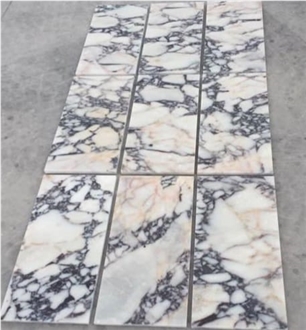
Viola Marble

Lilac - Marble

Turkey

About

Item Details

Material Type:
Marble
Origin:
Turkey (Milas, Mugla)
Primary Color(s):
Lilac
Recommended Usage:
Exterior - Interior wall and floor applications, monuments, countertops, mosaic, fountains, pool and
Additional Names:
Viola Beige Marble, Calacatta Viola Marble, Milas Lilac, Ice Jade Marble, in China stone market:香雪梅(Xiāngxuě méi), 冰玉(bīng yù), 天堂鸟(tiāntáng niǎo), Viola Marble
Finished Surface:
Polished, Sawn Cut, Sanded, Rockfaced, Sandblasted, Tumbled

Testing

Density:
2720 - 2740 kg/m3

Description

Viola Marble is a kind of lilac marble quarried in Turkey. This stone is especially good for Exterior - Interior wall and floor applications, monuments, countertops, mosaic, fountains, pool and wall coping and other design projects. It also called Viola Beige Marble, Calacatta Viola Marble, Milas Lilac, Ice Jade Marble, in China stone market:香雪梅(Xiāngxuě méi),冰玉(bīng yù),天堂鸟(tiāntáng niǎo) . Viola Marble can be processed into Polished, Sawn Cut, Sanded, Rockfaced, Sandblasted, Tumbled and so on.

FAQ

How can I restore the appearance of Viola Marble floors to make them look new again?

Restoring the appearance of Viola Marble floors to make them look new requires a careful and methodical approach. Here’s a step-by-step guide: 1. **Clear the Area**: Remove all furniture and rugs from the area to give you full access to the marble floor. 2. **Dust and Sweep**: Use a soft-bristle broom or a microfiber dust mop to remove loose dirt and debris from the floor. 3. **Clean the Surface**: - Mix a gentle pH-neutral marble cleaner with water according to the product instructions. Avoid acidic cleaners as they can damage the marble. - Mop the floor with the cleaning solution using a soft mop. - Rinse the floor thoroughly with clean water to remove any cleaning solution residues. 4. **Remove Stains**: - Identify the type of stain and use an appropriate method to treat it. For organic stains, you might make a poultice from baking soda and water and apply it to the stain. Let it sit for 24-48 hours before wiping it away. - Always test any cleaning or stain removal method on a small, inconspicuous area first. 5. **Polish the Marble**: - Use a marble polishing powder or paste. Follow the product instructions closely. - Apply the polishing powder to the floor and use a buffing machine or a soft cloth to work it into the marble using circular motions. - Wipe away any residue with a clean, damp cloth. 6. **Seal the Marble**: - Once the marble is dry and polished, apply a marble sealer to protect against future stains and damage. - Use a sealer specifically designed for marble and follow the manufacturer’s instructions regarding application and curing times. 7. **Buff the Floor**: Use a clean, dry microfiber cloth or a high-speed buffer to bring out the shine in your marble floor. 8. **Routine Maintenance**: - Regularly dust and clean the floor with a pH-neutral cleaner. - Immediately wipe up any spills to prevent stains. - Use rugs and felt pads under furniture to protect the marble. By following these steps, your Viola Marble floors should regain their shine and elegance, looking as close to new as possible. Always be gentle and avoid abrasive materials that can scratch the surface.
Can Viola Marble be used for stair steps?

Yes, Viola Marble can be used for stair steps. Marble, including Viola Marble, is a popular choice for stairs due to its elegance and durability. However, there are a few considerations to keep in mind: 1. **Slip Resistance:** Marble can be slippery, especially when polished. To improve safety, consider using a honed finish or adding anti-slip treatments or treads. 2. **Maintenance:** Marble requires regular maintenance to keep its appearance. It can be susceptible to stains and scratches, so sealing the marble and promptly cleaning spills is crucial. 3. **Wear and Tear:** Stair treads are subject to frequent use and wear. Although marble is durable, it can show signs of wear over time. Choosing a high-quality marble and ensuring proper installation can help mitigate this. 4. **Aesthetic Compatibility:** Ensure that the color and veining of Viola Marble complement the overall design of your space. 5. **Installation:** Professional installation is recommended to ensure that the marble stairs are secure, level, and properly aligned. By addressing these considerations, Viola Marble can be a stunning and functional choice for stair steps.

Do fruit juices stain the surface of Viola Marble ?

Yes, fruit juices can stain Viola Marble. Marble is a porous natural stone that is susceptible to staining from acidic substances like fruit juices. The acid in fruit juices can etch the surface, leading to dull spots or stains. Its important to clean up any spills immediately and use a marble sealant for added protection against stains.

Does the surface of Viola Marble scratch easily?

Viola Marble, like other types of marble, is a relatively soft natural stone. It can be prone to scratching, particularly when compared to harder materials like granite or quartz. To minimize scratching, its essential to take certain precautions, such as using cutting boards, avoiding dragging heavy objects across the surface, and using protective pads under furniture or appliances. Regular sealing and proper maintenance can also help protect the marble surface from scratches and other damage. If maintaining a pristine surface is a high priority, you may want to consider these factors when deciding whether to use Viola Marble in your space.

Can Viola Marble be used for pool coping?

Viola Marble can be used for pool coping, but there are several factors to consider before making a decision. Marble, including Viola Marble, is a natural stone known for its beauty and elegance. However, its suitability for pool coping depends on various aspects: 1. **Porosity**: Marble is a porous material, which means it can absorb water and may be prone to staining or damage from pool chemicals. Applying a proper sealant can reduce porosity and protect the stone. 2. **Slip Resistance**: Marble can be slippery when wet. For pool coping, it is important to ensure that the stone has a textured finish to provide grip and minimize the risk of slipping. 3. **Durability**: While marble is generally durable, it is softer than other natural stones like granite. It can be prone to scratching, chipping, or cracking, particularly if it is exposed to freeze-thaw cycles in colder climates. 4. **Maintenance**: Marble requires regular maintenance to keep it looking pristine, especially in an outdoor environment. It may need frequent sealing and cleaning to maintain its appearance and integrity. 5. **Aesthetic Preferences**: Viola Marble has a distinct appearance, characterized by its unique veining and color variations. If these match your design vision for the pool area, it can be a good aesthetic choice. In conclusion, while Viola Marble can be used for pool coping, you should weigh its aesthetic benefits against potential practical considerations. Consulting with a professional installer or architect can help ensure that its the right choice for your specific environment and needs.

Can Viola Marble be used as a kitchen countertop?

Yes, Viola Marble can be used as a kitchen countertop, but there are several factors to consider before making this choice. Marble is a natural stone known for its beauty and elegance, but it is also porous and softer compared to other countertop materials like granite and quartz. Here are some pros and cons to consider: ### Pros: 1. **Aesthetics**: Viola Marble has a unique and luxurious look with rich veining that can make a kitchen very visually appealing. 2. **Heat Resistance**: Marble is resistant to heat, which is beneficial for cooking areas. 3. **Natural Material**: Being a natural stone, it brings a sense of uniqueness and natural beauty to your kitchen. ### Cons: 1. **Porosity**: Marble is porous and can easily stain if spills, especially acidic ones like lemon juice and wine, are not cleaned promptly. Regular sealing is necessary to minimize this risk. 2. **Scratching and Etching**: It is softer than some other stones and can scratch or etch easily if cut directly on the surface or if subjected to acidic substances. 3. **Maintenance**: Marble requires more maintenance than other countertop materials. It needs regular sealing and careful cleaning to keep it in good condition. 4. **Cost**: High-quality marble can be expensive compared to other countertop options. In conclusion, if the kitchens aesthetic appeal is a priority and you are prepared to commit to regular maintenance, Viola Marble can be a beautiful choice. However, for a more durable and low-maintenance option, you may want to consider alternative materials like engineered quartz or granite.

How can I maintain Viola Marble flooring?

Maintaining Viola Marble flooring involves regular care and attention to preserve its natural beauty and longevity. Here are some tips on how to maintain it: 1. **Regular Cleaning:** - **Sweeping/Dust Mopping:** Use a soft broom or a dust mop to remove loose dirt and dust daily. This prevents scratching from debris. - **Wet Mopping:** Clean with a damp mop using warm water. Avoid saturating the floor with too much water as marble is porous and can absorb moisture. - **Mild Cleaner:** Use a pH-neutral cleaner specifically designed for marble. Avoid acidic or alkaline cleaners as they can etch or damage the surface. 2. **Stain Removal:** - **Blot Spills Immediately:** Wipe up spills right away to prevent staining. Use a soft cloth or paper towel to blot, not rub, the spill. - **Poultices for Stains:** For stubborn stains, a poultice made of baking soda and water or a specialized marble poultice can be applied to draw out the stain. 3. **Preventive Measures:** - **Sealing:** Regularly seal your marble flooring with a good-quality impregnating sealer to protect against stains and moisture. Depending on the foot traffic and wear, sealing may need to be done annually or bi-annually. - **Furniture Pads/Rugs:** Use protective pads under furniture to prevent scratches. Place rugs or mats at entrances to catch dirt and grit from shoes. - **Avoid High Heels:** Avoid walking on the floor with high heels that could scratch or damage the surface. 4. **Avoid Harsh Materials:** - **No Abrasive Tools:** Do not use steel wool, scrubbing brushes, or abrasive pads that can scratch the marble. - **Avoid Vinegar or Citrus:** Never use vinegar, lemon, or any cleaners with citrus as they can etch the marble surface. 5. **Polishing:** - **Professional Polishing:** Over time, you may need to have your marble floor professionally polished to restore its shine. By implementing these practices, you can ensure that your Viola Marble flooring remains in excellent condition for years to come. Regular care will keep it looking beautiful and extend its lifespan.

My tabletop made of Viola Marble has scratches. How can I fix it?

If your tabletop made of Viola Marble has scratches, you can try the following methods to fix it: 1. Sanding: Use fine-grit sandpaper to gently sand the scratched area in a circular motion. Be careful not to apply too much pressure, as this can damage the marble further. Continue sanding until the scratches are no longer visible. 2. Polishing: After sanding, polish the area using a marble polish or a mixture of baking soda and water. Apply the polish to the scratched area and buff it in a circular motion using a soft cloth. This will help to restore the shine and smoothness of the marble. 3. Professional restoration: If the scratches are deep or extensive, it may be best to seek help from a professional marble restoration company. They have the expertise and tools to repair the damage effectively and restore the beauty of your Viola Marble tabletop. Its important to note that marble is a delicate and porous material, so its best to avoid using harsh chemicals or abrasive cleaners that can further damage the surface. Regular maintenance and care can help prevent scratches and keep your marble tabletop looking beautiful for years to come.

Can 2cm thick Viola Marble be used for a commercial bar top?

It is possible to use 2cm thick Viola Marble for a commercial bar top, but it may not be the most durable or long-lasting option. Commercial bar tops are typically subjected to a lot of wear and tear, including spills, scratches, and heavy use. Thicker marble, such as 3cm or 4cm, is generally recommended for commercial applications because it is more resistant to damage and can better withstand the demands of a busy bar environment. Additionally, marble is a porous material that can be prone to staining and etching, so proper sealing and maintenance will be necessary to keep the bar top looking its best.

Is Viola Marble a suitable choice for exterior wall?

Viola Marble may not be the best choice for exterior walls as it is a softer and more porous material compared to other types of marble. This may result in it being more susceptible to damage from weathering, staining, and discoloration over time. It is recommended to consider a more durable and weather-resistant material for exterior walls, such as granite or ceramic tile.

Products & Prices

View More

Hot Lilac Marble

New Marble

Post Your Request

The request includes:
  1. surface finished, size
  2. quantity required