Post Your Needs

Wachenzell Dolomite

Limestone

Germany

About

Item Details

Material Type:
Limestone
Origin:
Germany (Dietfurt,Treuchtlingen, Altmühltal, Bavaria)
Recommended Usage:
wash basins, building stone, ornamental stone, stairs, interior, exterior wall and floor applications, mosaic, waterjet pattern, wall panels, table tops, balustrades, columns, wall and pool copings, pool pavers, sculptures, fireplaces
Additional Names:
Dietfurt Dolomite, Dietfurt Dolomit Kalkstein, Dietfurt Kalkstein, Dietfurt Limestone
Finished Surface:
Polished,Flamed,Bush Hammered,Tumbled,Brushed,Honed,Split,Machine Cut,Natural Surface,Sandblasted,Combed,Leathered,Water Jet,Filled,Chiseled,Pickling

Testing

Water Absorption:
1.81 %
Density:
2580 kg/m3
Flexural Strength:
5.9 MPa
Compressive Strength:
134.0 MPa

Description

Material:​ Natural Dolomite (Fossiliferous Dolomitic Limestone)

Geological Formation:​ Dolomite (CaMg(CO₃)₂) with fossil inclusions

Commercial Name:​ Wachenzell Dolomite

Origin:​ Dietfurt, Treuchtlingen, Altmühltal, Bavaria, Germany

Supplier Reference:​ Often supplied alongside or as a variant of Dietfurt Limestone

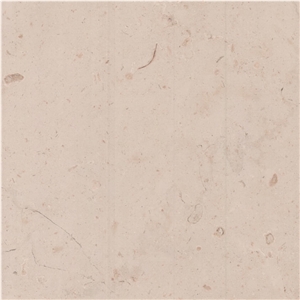
Visual & Aesthetic Description Wachenzell Dolomite is a fossiliferous dolomite​ characterized by a sophisticated beige and gray color palette, often appearing as an attractive gray-beige mix with subtle, natural patterning. The stone contains visible fossil inclusions​ (typically marine organisms such as shells, corals, or ammonites) embedded within a fine‑grained dolomitic matrix. The overall appearance is elegant, earthy, and timeless, with a uniform yet naturally varied texture that adds depth and character. Its neutral tones and fossil details make it suitable for both traditional and contemporary architectural applications.

Technical Specifications & Test Results

  • Water Absorption​: 1.81% (by weight)  EN 13755
  • Density​​: 2,580 kg/m³  EN 1936
  • Flexural Strength​​: 5.9 MPa  EN 12372
  • Compressive Strength​: 134.0 MPa  EN 1926
  • Hardness (Mohs Scale)​: ​3.5–4.5  Dolomite is slightly harder than calcite limestone
  • Frost Resistance​​: Good (with proper installation and sealing)  Suitable for interior and exterior use
  • Abrasion Resistance​​: Moderate to good, Can be improved with surface finish
  • Chemical Resistance​​: Better than limestone; resistant to weak acids

Dolomite is less soluble in acid than calcite

Chemical & Mineral Composition (% by weight)

  • Dolomite (CaMg(CO₃)₂)​: ​85–95% Primary mineral; provides hardness and durability
  • Calcite (CaCO₃)​: ​3–10% Secondary mineral; may appear in veins or fossil remains
  • Clay Minerals​​: 1–3% Contributes to color variation and texture
  • Iron Oxides (Fe₂O₃/FeO)​: ​0.5–2% Imparts beige, brown, and gray tones
  • Silica (Quartz, SiO₂)​: ​0.5–2% Minor component; increases abrasion resistance
  • Fossil Content (shells, corals)​​: Variable, typically 1–5% Adds visual interest and geological character

Available Formats & Processing

Standard Cutting Sizes (cm):

  • Slabs:​ Up to 300 × 200 cm (custom sizes available)
  • Thickness:​ 2 cm, 3 cm, 4 cm, 5+ cm
  • Tiles:​ 30×30 cm, 30×60 cm, 60×60 cm, 60×120 cm
  • Paving Stones:​ Various dimensions for exterior use
  • Custom Cuts:​ Countertops, vanity tops, wall panels, stair treads, sills, copings

Surface Finish Options:

  • Polished:​ High‑gloss finish that highlights fossil details and color contrast
  • Honed:​ Smooth, matte finish; ideal for contemporary interiors and floors
  • Brushed/Leathered:​ Textured, low‑sheen surface; enhances natural feel and slip resistance
  • Tumbled:​ Antiqued, softened‑edge look; suitable for rustic or traditional settings
  • Sawn Cut:​ Raw, gang‑sawn texture; for a natural, unfinished appearance
  • Split Face:​ Rough, naturally cleft surface; used for feature walls or exteriors
  • Flamed/Bush‑hammered:​ Slip‑resistant finish for exterior paving, stairs, and wet areas
  • Waterjet:​ Custom textures or patterns; for decorative or branded applications

Applications, Usage & Maintenance

Primary Applications:

  • Interior Flooring & Wall Cladding:​ Residential, commercial, and public spaces
  • Exterior Cladding & Paving:​ Building facades, terraces, garden paths, pool surrounds
  • Kitchen Countertops & Vanity Tops:​ Durable and elegant surface (with sealing)
  • Stair Treads & Window Sills:​ Dense enough for high‑traffic edges
  • Fireplace Surrounds & Feature Walls:​ Adds natural warmth and texture
  • Historic Restoration & Traditional Architecture:​ Especially suited for European styles
  • Commercial & Hospitality:​ Hotels, restaurants, offices, retail spaces
  • Landscaping:​ Garden walls, benches, steps, water features

Usage Guidelines:

  • Suitable for both interior and exterior applications
  • Compatible with underfloor heating systems
  • Can be used in wet areas (bathrooms, kitchens) with proper sealing
  • Good frost resistance makes it suitable for outdoor use in moderate climates
  • Fossil inclusions may affect workability; cutting and drilling should be done with care

Maintenance Protocol:

  • Cleaning:​ Use pH‑neutral stone cleaner; avoid acidic or abrasive products
  • Sealing:​ Highly recommended​ due to 1.81% water absorption; use a penetrating, breathable sealer
  • Stain Prevention:​ Wipe spills promptly; especially oils, wine, and pigments
  • Outdoor Care:​ Periodic cleaning to prevent biological growth (algae, lichen)
  • Avoid:​ Harsh acids (vinegar, citrus), abrasive pads, high‑pressure washing on delicate finishes
  • Frequency:​ Re‑seal every 12–24 months depending on exposure and use

Summary:​

Wachenzell Dolomite is a high‑quality German dolomite​ prized for its sophisticated beige‑gray color palette, fossil content, and excellent durability. Its technical properties—including good compressive strength (134 MPa) and moderate water absorption (1.81%)—make it suitable for a wide range of interior and exterior applications. The stone’s natural elegance, combined with the visual interest of its fossil inclusions, makes it a versatile choice for projects that seek timeless beauty, geological character, and reliable performance.

FAQ

Can Wachenzell Dolomite be scratched with a knife?

Wachenzell Dolomite is primarily composed of the mineral dolomite. Dolomite has a Mohs hardness of about 3.5 to 4.5, which means it can generally be scratched by a knife, as a typical steel blade has a hardness of about 5 to 5.5 on the Mohs scale. However, the actual ability to scratch the rock might vary slightly depending on impurities and the specific characteristics of the sample.

Do I need a special blade to cut 3cm thick Wachenzell Dolomite tile?

Yes, cutting 3 cm thick Wachenzell Dolomite tile requires the right equipment to ensure clean and precise cuts. Dolomite is a hard, dense stone, so its important to use a high-quality diamond blade, which is specifically designed to cut through hard stone materials like dolomite. Here are a few tips for cutting such tiles: 1. **Diamond Blade**: Use a wet saw equipped with a diamond blade specifically rated for cutting stone. A continuous rim blade or a turbo rim blade can help ensure smooth and clean cuts without chipping the edges. 2. **Wet Cutting**: Use water to cool the blade and reduce dust while cutting. A wet saw helps prolong the life of the blade and minimizes dust, which can be harmful if inhaled. 3. **Proper Saw**: Ensure you are using a stone saw or a masonry saw, as these are designed for cutting through thick, dense materials. 4. **Cutting Technique**: Make slow, steady cuts without forcing the blade. Let the saw and blade do the work to prevent overheating and to avoid damaging the tile. 5. **Safety Gear**: Always wear appropriate safety gear, including eye and ear protection, gloves, and a dust mask if not using a wet saw. Using the correct tools and techniques will help you achieve the best results. If youre inexperienced with cutting stone tiles, you might consider hiring a professional to avoid costly mistakes.

How can I clean the grout of antique finish Wachenzell Dolomite tiles?

Cleaning the grout of any tile can be a bit challenging, and when dealing with delicate surfaces like antique finish Wachenzell Dolomite tiles, you must take extra precautions to avoid damage. Heres a step-by-step guide to help you clean the grout safely: 1. **Test a Small Area First**: Before you start, test your cleaning method on a small, inconspicuous area to ensure it doesnt damage the tiles or alter their appearance. 2. **Gather Your Supplies**: - Mild pH-neutral stone cleaner or a gentle dish soap. - Soft-bristle brush or a toothbrush. - Microfiber cloths or soft cleaning rags. - A small bowl or bucket. - Warm water. 3. **Prepare the Cleaning Solution**: - Mix a few drops of the pH-neutral stone cleaner or gentle dish soap with warm water in a small bucket or bowl. Avoid acidic or alkaline cleaners as they can damage stone tiles. 4. **Apply the Cleaning Solution**: - Dip the soft-bristle brush or toothbrush into the cleaning solution and gently scrub the grout lines. Be careful not to scrub too hard, as this could damage the tiles or the grout. 5. **Wipe and Rinse**: - After scrubbing, wipe away the dirt and cleaning solution with a damp microfiber cloth or soft rag. Its important to ensure no residue is left behind. 6. **Dry the Area**: - Use a dry microfiber cloth to buff the area dry. This will prevent water spots and help maintain the finish of the tiles. 7. **Seal the Grout (Optional)**: - If the grout is clean and dry, consider applying a grout sealer to protect it from future staining. Ensure the sealer is suitable for use with natural stone. 8. **Regular Maintenance**: - To keep the grout looking clean, regularly sweep or vacuum the floor to remove dirt and debris. Wipe up spills immediately to prevent staining. Remember, these tiles can be sensitive to aggressive cleaning techniques, so always err on the side of caution, using the least abrasive method possible. If the grout is especially stained or dirty, consider consulting a professional who specializes in cleaning natural stone tiles.

Does Wachenzell Dolomite paving need sealing?

Wachenzell Dolomite is a type of natural stone, and like many natural stones, sealing can offer additional protection. Whether you need to seal your Wachenzell Dolomite paving depends on a few factors: 1. **Porosity**: Natural stones can vary in porosity. Sealing helps prevent staining and water absorption, which can be particularly beneficial in outdoor settings or areas prone to spills. 2. **Location**: If the paving is installed outdoors in a climate with freeze-thaw cycles, sealing can help protect against weather-related damage. It can also be beneficial in high-traffic areas where the stone may be more prone to wear. 3. **Finish**: The finish of the stone (honed, polished, etc.) can influence whether sealing is necessary. A polished finish may be less porous than a honed finish, possibly reducing the need for sealing. 4. **Maintenance**: Sealing can make ongoing maintenance easier, as it helps reduce the likelihood of stains becoming permanent. 5. **Manufacturers Recommendation**: Always check for any specific recommendations provided by the supplier or manufacturer of the stone. They might have specific guidance based on their materials. If you decide to seal your Wachenzell Dolomite paving, use a high-quality stone sealer appropriate for natural stone, and follow the manufacturers instructions. Regular resealing may be necessary depending on the wear and tear the paving experiences over time.

Can 5 cm thick Wachenzell Dolomite be used for driveway?

Using 5 cm thick Wachenzell Dolomite for a driveway is not advisable. Wachenzell Dolomite is a type of limestone known for its decorative appearance, but its thickness and material properties make it unsuitable for the structural demands of a driveway. Driveways require materials that can withstand significant weight and pressure from vehicles. A 5 cm (approximately 2 inches) thickness is generally too thin to provide the necessary strength and durability for such use; driveways typically need at least 10 cm (4 inches) of a more robust material like concrete, asphalt, or thicker pavers. Additionally, limestone can be relatively soft and prone to wear and weathering, making it less durable under the conditions driveways endure. For the best results, consider using a material specifically designed for driveways that can handle heavy loads and regular traffic.

How thick should Wachenzell Dolomite pool terrace pavers be?

When selecting Wachenzell Dolomite for pool terrace pavers, the thickness of the pavers is an important consideration to ensure durability and structural integrity. Typically, natural stone pavers, including those made from dolomite, should be at least 1.25 inches (about 3 cm) thick for pedestrian use. If the area will be subject to heavier loads, such as light vehicular traffic or extremely high foot traffic, a thickness of 2 inches (about 5 cm) or more is recommended. Additionally, you should account for local climate conditions since freeze-thaw cycles can affect the stone’s durability. Its also a good practice to consult with a local contractor or supplier who is familiar with regional conditions and specific properties of Wachenzell Dolomite to make the most informed decision for your specific project needs.

Products & Prices

Hot Limestone

New Limestone

Post Your Request

The request includes:
  1. surface finished, size
  2. quantity required