Post Your Needs

Westland Scenery Quartzite

Quartzite

Brazil

About

Item Details

Material Type:
Quartzite
Origin:
Brazil
Recommended Usage:
Kitchen and bathroom countertops, wash basins, building stone, ornamental stone, stairs, interior, exterior wall and floor applications, mosaic, waterjet pattern, wall panels, table tops, balustrades, columns, wall and pool copings, pool pavers, fireplaces
Additional Names:
Western Scenery Quartzite, Luce Di Luna Quartzite, Kalahari Quartzite, Chantilly Quartzite, White Pearl Quartzite, Olympus White Quartzite, Athena Quartzite, White Dune Quartzite, Chantilly Quartzite, in China stone market:西域风光 (Xī Yù Fēng Guāng)
Finished Surface:
Polished,Bush Hammered,Tumbled,Brushed,Honed,Split,Machine Cut,Natural Surface,Sandblasted,Combed,Leathered,Water Jet,Filled,Chiseled,Pickling

Testing

Water Absorption:
0.08 – 0.15%
Density:
2680 – 2700 Kg/m³
Flexural Strength:
22 – 28 MPa
Compressive Strength:
180 – 210 MPa

Description

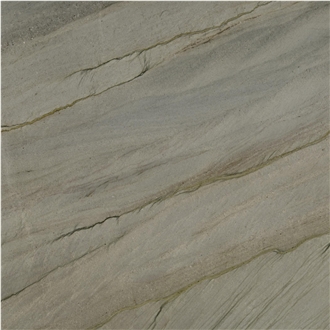
Westland Scenery Quartzite is a premium natural stone quarried in Brazil, known for its creamy beige color and subtle, refined appearance. This quartzite features delicate veining in gray, soft brown, and occasional green hues, creating an elegant and organic look suitable for both modern and classic interiors. Its fine-grained crystalline structure and high durability make it an excellent choice for demanding architectural and design applications.

Texture and Pattern

Westland Scenery Quartzite exhibits a smooth, compact crystalline texture with a low to moderate level of patterning. The surface displays soft, flowing veins and subtle tonal variations that enhance its natural beauty. When polished, it achieves a high-gloss reflective surface; honed or leathered finishes emphasize its warm, tactile quality.

Physical and Mechanical Properties

  • Bulk Density : 2.68 – 2.70 g/cm³
  • Compressive Strength : 180 – 210 MPa
  • Flexural Strength : 22 – 28 MPa
  • Water Absorption : 0.08 – 0.15%
  • Abrasion Resistance : 18 – 21 mm³
  • Mohs Hardness : 6.5 – 7 (highly durable)

Chemical and Mineral Composition (% by weight)

  • SiO₂ (Silica) : 92 – 96%
  • Al₂O₃ (Aluminum Oxide) : 1.5 – 2.5%
  • Fe₂O₃ (Iron Oxide) : 0.3 – 0.7%
  • CaO (Calcium Oxide) : 0.2 – 0.5%
  • MgO (Magnesium Oxide) : 0.1 – 0.3%
  • K₂O + Na₂O (Alkalis) : 0.2 – 0.5%

This composition gives the quartzite its exceptional hardness, low porosity, and resistance to heat, scratching, and chemical attack.

Applications

Westland Scenery Quartzite is ideal for:

  • Kitchen countertops and islands
  • Bathroom vanities and wall panels
  • Flooring and wall cladding (interior & exterior)
  • Fireplace surrounds
  • Stair treads, risers, and thresholds
  • Outdoor kitchen surfaces and decorative architectural features

Its heat and abrasion resistance make it particularly well-suited for high-traffic and high-temperature areas.

Maintenance

Quartzite requires minimal maintenance. Clean regularly with mild pH-neutral cleaners and a soft cloth. Avoid harsh chemicals, acids, or abrasives. Sealing once a year is recommended to maintain protection against moisture and stains.

FAQ

How can I fix a broken veined Westland Scenery Quartzite wash basin?

Repairing a broken veined Westland Scenery Quartzite wash basin involves careful handling to restore its appearance and functionality. Here’s a general guide to fix the basin: 1. **Safety First**: Wear safety goggles and gloves to protect yourself from sharp edges and dust. 2. **Clean the Area**: Gently clean the break and surrounding area with a mild detergent and water to remove any dirt or debris. Ensure it is completely dry before proceeding. 3. **Assess the Damage**: Determine the extent of the damage. If it’s a clean break, it should be easier to fix. If its shattered or there are multiple breaks, you might need professional assistance. 4. **Choose the Right Adhesive**: Purchase a high-quality stone adhesive or epoxy specifically suited for quartzite and natural stone. It should dry clear to maintain the veined appearance. 5. **Prepare the Adhesive**: Follow the manufacturer’s instructions to mix the adhesive or epoxy. You might need to do this quickly as some adhesives set fast. 6. **Apply the Adhesive**: Carefully apply the adhesive to one side of the break. Use a small brush or spatula for precision. Avoid overusing the adhesive to minimize cleanup and ensure a better fit. 7. **Join the Break**: Press the broken pieces together firmly. Align the veining and pattern as accurately as possible for an invisible repair. 8. **Secure the Pieces**: Use clamps or heavy-duty tape to hold the pieces together while the adhesive cures. Follow the manufacturers instructions for the required curing time, usually several hours to overnight. 9. **Clean Excess Adhesive**: Once the adhesive is dry, carefully remove any excess using a razor blade for a flush finish. Be gentle to avoid scratching the surface. 10. **Polish the Surface**: If necessary, use a stone polishing compound to buff the area and restore the original gloss and finish. This will help blend the repaired area with the rest of the basin. 11. **Seal the Basin**: Once the repair is complete and the surface is polished, apply a stone sealer to protect the basin from stains and water damage. 12. **Inspection**: After the repair, inspect the work. If any misalignment or defects persist, consider consulting a professional stone restorer. If the break is extensive or the basin holds significant value, consulting a professional may be the best course of action.

If I use Westland Scenery Quartzite around a swimming pool, will the water chemicals affect its color?

Westland Scenery Quartzite is a durable and dense natural stone, making it a popular choice for outdoor applications like swimming pool surrounds. However, the chemicals typically used in pool maintenance, such as chlorine, can potentially affect any natural stone over time. While quartzite is generally more resistant to chemical staining and fading compared to softer stones like marble or limestone, it is not completely immune. To minimize any potential effects from pool chemicals on the color and surface of Westland Scenery Quartzite, consider the following precautions: 1. **Sealing**: Apply a high-quality, penetrating sealer designed for natural stone. This can help protect the quartzite from absorbing chemicals and can make maintenance easier. 2. **Regular Maintenance**: Clean the quartzite regularly with a pH-neutral cleaner to remove any chemical residues or buildup. 3. **Rinsing**: After splash events or regular use, rinsing the stone surface with fresh water can help dilute and remove any chemical traces. 4. **Avoid Harsh Chemicals**: Use pool chemicals according to manufacturer instructions and avoid any unnecessary or harsh chemical treatments that might come into contact with the quartzite. By taking these steps, you can help maintain the appearance and integrity of Westland Scenery Quartzite around your swimming pool.

Can I use Westland Scenery Quartzite as a fireplace hearth? Is it durable enough to withstand heat?

Westland Scenery Quartzite is a natural stone that is often used in a variety of architectural and design applications due to its durability and aesthetic appeal. When considering its use as a fireplace hearth, there are a few factors to keep in mind: 1. **Heat Resistance**: Quartzite is generally known for its hardness and durability, similar to granite, and it tends to have good heat resistance. This makes it a suitable candidate for areas exposed to high temperatures, such as a fireplace hearth. 2. **Durability**: Quartzite is a metamorphic rock formed from sandstone, and it is one of the harder natural stones, which makes it scratch-resistant and able to withstand significant wear and tear. 3. **Installation**: Proper installation is crucial for ensuring that the stone performs well under heat. Make sure it is installed by a professional who can account for expansion gaps and secure it in a way that will handle thermal stresses. 4. **Maintenance**: Like many natural stones, quartzite might need periodic sealing to protect it from staining and to enhance its performance as a hearth. Before making a final decision, it would be wise to consult with the supplier or a professional installer to ensure that Westland Scenery Quartzite is suitable for your specific fireplace design and local building codes. Its also important to verify that the particular variety of quartzite you are considering has the properties needed for a fireplace hearth.

If I place hot pots, pans, etc., on Westland Scenery Quartzite tabletop, will it leave marks?

Westland Scenery Quartzite is a natural stone that is known for its durability and heat resistance, making it generally suitable for kitchen use, including as countertops and tabletops. However, while quartzite is quite heat resistant, placing very hot pots and pans directly on the surface can still potentially cause damage or marks over time. This is due to the possibility of thermal shock, which could cause cracking or discoloration. To protect your quartzite tabletop, its advisable to use trivets or heat pads when placing hot items directly from the stove or oven onto the surface. This precaution will help maintain the appearance and integrity of the quartzite over time. Additionally, regular cleaning and sealing, if recommended by the manufacturer or installer, can further protect the surface from potential damage.

What kind of surfaces should Westland Scenery Quartzite have on stairs used in public buildings?

When using Westland Scenery Quartzite or any natural stone for stairs in public buildings, there are several considerations to ensure safety and durability: 1. **Slip Resistance**: Public stairs need to be safe, especially in wet conditions. The surface should be textured or treated to enhance slip resistance. This can be achieved through finishes such as a honed finish, thermal/flamed finish, or sandblasted finish, which create a rougher surface providing better grip. 2. **Durability**: Quartzite is a hard and durable stone, which is suitable for high-traffic areas like public buildings. Ensure that the stone is dense and well-finished to withstand wear and tear. 3. **Ease of Maintenance**: The surface should allow for easy cleaning and maintenance. A honed finish, which is smooth but not glossy, can be easier to maintain than a highly polished surface, as it shows fewer marks and scratches. 4. **Aesthetic Appeal**: The surface finish should also complement the design aesthetic of the building. Quartzite offers a variety of natural colors and patterns, and the finish should enhance these natural characteristics to provide visual appeal. 5. **Edge Treatment**: The edges of the stairs should be chamfered or bullnosed to prevent chipping and to improve safety by reducing sharp edges. By considering these factors, Westland Scenery Quartzite can be both a beautiful and practical choice for public staircases. Always consult with a professional to determine the best finish and installation method for your specific needs and local regulations.

Can I use Westland Scenery Quartzite for office staircase steps?

Yes, you can use Westland Scenery Quartzite for office staircase steps. Quartzite is a durable and hard natural stone, making it suitable for high-traffic areas like staircases. It is resistant to scratches and can withstand heavy foot traffic, which is important for office settings. Additionally, quartzite has a natural, sophisticated appearance that can enhance the aesthetic appeal of your office environment. However, there are a few considerations you should keep in mind: 1. **Finish and Texture:** Ensure that the quartzite has the right finish for stair steps. A honed or textured finish can provide better traction and slip resistance compared to a polished finish. 2. **Maintenance:** While quartzite is relatively low maintenance, it still requires sealing to protect against stains and etching, especially in a commercial environment. 3. **Installation:** Proper installation is crucial to ensure safety and durability. It’s advisable to hire professionals experienced in working with natural stone. 4. **Cost:** Quartzite is generally more expensive than some other materials, so consider your budget when choosing this stone. Overall, if these aspects are addressed, Westland Scenery Quartzite can be an excellent choice for office staircase steps.

Is Westland Scenery Quartzite a suitable stone for making sculptures?

Westland Scenery Quartzite could potentially be used for making sculptures, but its suitability would depend on various factors. 1. **Hardness and Workability**: Quartzite is a very hard and durable natural stone, ranking around 7 on the Mohs scale. This makes it more difficult to carve compared to softer stones like marble. Sculptors need specialized tools to work with it, and it may not be ideal for intricate detailing unless you have the right equipment and expertise. 2. **Aesthetics**: Quartzite often features beautiful veining and a wide array of colors, which can be attractive in sculpture. The specific appearance of Westland Scenery Quartzite would need to be assessed to ensure it fits the desired artistic vision. 3. **Durability**: Its hardness also means its very durable, making it a good choice for outdoor sculptures that need to withstand weathering and environmental conditions. 4. **Cost**: Quartzite can sometimes be more expensive than other stones due to its desirable properties and the difficulty of quarrying and processing it. 5. **Availability**: It’s important to check the availability and cost of Westland Scenery Quartzite in your area, as well as any environmental impacts associated with quarrying it. If these factors align with your project needs, Westland Scenery Quartzite could be a suitable choice for sculptures. However, it is essential to consider the skill level required and ensure you have access to the appropriate tools and materials. Consulting with experienced sculptors who have worked with quartzite can also provide valuable insights.

Products & Prices

Hot Quartzite

New Quartzite

Post Your Request

The request includes:
  1. surface finished, size
  2. quantity required