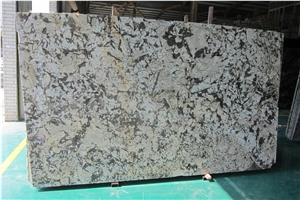
While white granite countertops are widely popular and can add beauty and elegance to a space, they do come with a few disadvantages:
1. Maintenance: White granite countertops require regular cleaning and maintenance to keep them looking flawless. They can easily show stains, smudges, and water marks, especially if not properly sealed. This means more effort and time spent on cleaning and upkeep.
2. Durability: While granite is known for its durability, the light-colored varieties, including white granite, tend to be softer and more porous. This makes them more prone to chips, cracks, and scratches. Additionally, acidic substances like lemon juice or vinegar can etch the surface if not cleaned up promptly.
3. Cost: White granite countertops are typically more expensive than other granite colors. The high demand for white granite, combined with the limited availability, drives up the price. Installation costs can also be higher due to the need for careful handling and expert craftsmanship to prevent damage.
4. Resale value: While white granite can be visually stunning, some potential buyers may prefer more neutral or versatile colors when purchasing a home. This means that the choice of white granite countertops may limit the appeal and resale value of a property compared to more universally liked options.
5. Limited design options: White granite countertops can sometimes limit the design options for a space, as they tend to work better in certain styles such as traditional or classic. They might not blend well with more modern, industrial, or eclectic designs, limiting the overall versatility in matching with different interior aesthetics.
Ultimately, the decision to choose white granite countertops should consider these disadvantages alongside the desired aesthetic and personal preferences.


 Brazil

 7YR

 China


 Russian Federation

 United States


 India


 Australia


 Cambodia