Post Your Needs

White Lux Quartzite

Quartzite

Brazil

About

Item Details

Material Type:
Quartzite
Origin:
Brazil
Recommended Usage:
kitchen and bathroom countertop, wash basins, building stone, ornamental stone, stairs, interior wall and floor applications, mosaic, water-jet pattern, wall panels, table tops, balustrades, columns, fireplaces, luxury furniture
Additional Names:
Luxury White Quartzite
Finished Surface:
Polished,Bush Hammered,Tumbled,Brushed,Honed,Split,Machine Cut,Natural Surface,Sandblasted,Combed,Leathered,Water Jet,Chiseled,Pickling

Testing

Water Absorption:
0.08 – 0.25%
Density:
2690 - 2710 kg/m³
Flexural Strength:
12 - 15 MPa
Compressive Strength:
150 - 180 MPa

Description

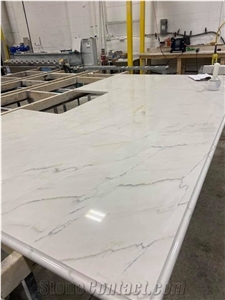
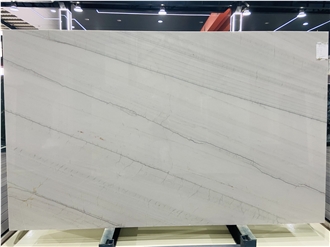
White Lux Quartzite is an exclusive premium natural stone quarried in Brazil, characterized by a clean, crisp white to soft ivory background that delivers a bright, elegant, and timeless aesthetic. Its surface is refined and luminous, creating a sense of purity and spaciousness ideal for high-end architectural applications.

The stone features delicate and subtle veining distributed across the surface in soft grey, light beige, or faint taupe tones. These veins are typically fine and understated, flowing gently across the slab in linear or lightly cloud-like formations. The overall pattern is minimalistic and sophisticated, offering a calm visual effect without strong contrast or dramatic movement. Each slab maintains a natural uniqueness while preserving a consistent luxury white appearance suitable for large-scale, harmonious design projects.

Texture & Structure

White Lux Quartzite has a fine-grained crystalline structure composed primarily of interlocking quartz minerals formed through natural metamorphic processes. This structure provides exceptional density, strength, and durability while maintaining a refined visual texture. The surface is smooth and uniform when polished, enhancing its white brightness and highlighting subtle natural variations. Its compact structure allows for precise cutting and finishing, making it suitable for large slabs, bookmatched installations, and detailed architectural applications. The stone offers excellent resistance to wear, heat, and scratching, making it suitable for both residential and commercial use.

Technical Test Results

  • Water Absorption: 0.08% – 0.25%
  • Abrasion Resistance: High durability (low wear loss)
  • Modulus of Rupture: 14–16 MPa
  • Compressive Strength: 150–180 MPa
  • Flexural Strength: 12–15 MPa
  • Density: 2,690–2,710 kg/m³
  • Mohs Hardness: 6.5–7

Mineral Composition (% by Weight)

  • Quartz: 90–98%
  • Feldspar: 1–5%
  • Mica: 1–2%
  • Accessory minerals: <2%

Chemical Composition (% by Weight)

  • SiO₂ (Silicon Dioxide): 92–97%
  • Al₂O₃ (Aluminum Oxide): 2–5%
  • Fe₂O₃ (Iron Oxide): <1%
  • K₂O + Na₂O: 0.5–2%
  • CaO: <1%
  • MgO: <1%
  • Trace elements: <1%

Usage

  • Luxury kitchen countertops and islands
  • Bathroom vanities and spa interiors
  • Feature walls and bookmatched panels
  • Hotel lobbies and reception areas
  • Flooring in high-end residential and commercial projects
  • Fireplace surrounds
  • Staircases and steps
  • Bar tops and architectural cladding
  • Minimalist and modern interior design applications
  • Luxury retail and hospitality environments

Maintenance

  • Clean using pH-neutral stone cleaners only
  • Avoid acidic or abrasive cleaning products
  • Seal periodically for long-term protection against stains
  • Wipe spills immediately to maintain surface integrity
  • Use protective pads under heavy objects
  • Regular maintenance recommended in commercial installations

FAQ

How can I repair the scratched surface of the White Lux Quartzite steps?

Repairing a scratched surface of White Lux Quartzite, or any natural stone, requires careful attention to detail to maintain its appearance and durability. Here’s a step-by-step guide you can follow: 1. **Clean the Surface:** - Start by thoroughly cleaning the surface of the quartzite steps to remove any dirt, grime, or debris. Use a mild stone cleaner or a mixture of warm water and a few drops of dish soap. - Rinse with clean water and pat dry with a soft cloth. 2. **Assess the Damage:** - Determine the severity of the scratches. Minor surface scratches can often be repaired more easily than deeper ones. 3. **Polishing for Minor Scratches:** - For minor scratches, use a stone polishing powder or cream specifically designed for natural stone. - Apply a small amount of the polishing compound on the scratched area and use a felt pad or a soft cloth to buff the area in circular motions. - Continue polishing until the scratch is no longer visible. 4. **Deeper Scratch Repair:** - For deeper scratches, you may need to use a fine-grit diamond polishing pad (like 400 grit or 800 grit). - Attach the pad to a variable-speed angle grinder or a hand polisher. Keep the surface slightly damp and gently work over the scratch, moving the grinder in circular motions to blend the scratch with the surrounding area. - Gradually move to finer grits (e.g., 1500 or 3000) until the scratch is no longer visible and the surface is smooth. 5. **Rinse and Dry:** - Once the scratch has been polished out, rinse the area with clean water to remove any polishing residue. - Dry the area thoroughly with a soft cloth. 6. **Seal the Surface:** - If the quartzite is sealed, consider reapplying a stone sealer to the repaired area to maintain its resistance to stains and moisture. Follow the sealer manufacturer’s instructions for the best results. 7. **Regular Maintenance:** - To prevent further scratches, regularly clean and inspect your quartzite surfaces. - Avoid using harsh chemicals or abrasive cleaning tools that can harm the stone. If the scratches are extensive or you’re concerned about damaging the stone further, it might be wise to consult a professional stone restoration specialist. They have the expertise and tools necessary to handle more serious repairs and restore the surface to its original condition.
How can I remove mold from White Lux Quartzite wall tiles?

Removing mold from White Lux Quartzite wall tiles requires care to avoid damaging the surface. Here’s a step-by-step guide: 1. **Safety Precautions:** - Wear gloves, goggles, and a mask to protect yourself from mold spores. - Ensure the area is well-ventilated. 2. **Preparation:** - Clear the area around the tiles and protect nearby surfaces that are not quartzite with plastic sheeting or tape. 3. **Cleaning Solution:** - Avoid harsh chemicals like bleach which can damage natural stone. Instead, create a solution with one part white vinegar and one part water. Vinegar is acidic enough to kill mold but gentle enough for natural stone. - Alternatively, you can use a stone-specific cleaner safe for quartzite. 4. **Application:** - Pour the vinegar-water solution into a spray bottle for easy application. - Spray the solution onto the moldy areas of the tile. Allow it to sit for 5-10 minutes. - For stubborn mold, mix baking soda with water to form a paste and apply it to the area. 5. **Scrubbing:** - Use a soft brush or non-abrasive sponge to gently scrub away the mold. Avoid using anything too abrasive as it can scratch the tile. 6. **Rinsing:** - Dampen a clean cloth with water and wipe down the tiles thoroughly to remove any residue from the cleaning solution. 7. **Drying:** - Use a clean, dry towel to thoroughly dry the surface of the tiles to prevent further mold growth. 8. **Prevention:** - To prevent mold from returning, maintain a dry environment. Consider using a dehumidifier or ensuring proper ventilation in areas prone to humidity. - Regularly clean and inspect the tiles, and address any issues with excess moisture promptly. 9. **Sealing (Optional):** - If your White Lux Quartzite tiles aren’t sealed, consider sealing them with an appropriate stone sealer to help resist mold and stains in the future. Should the mold persist after treatment, or the infestation is widespread, consider consulting a professional cleaner experienced in dealing with natural stone surfaces.

Does White Lux Quartzite wall mosaic need to be sealed?

Yes, White Lux Quartzite wall mosaic should be sealed. Quartzite is a natural stone, and like all natural stones, it can be porous, which makes it susceptible to staining and absorbing moisture. Sealing the Quartzite will help protect it from stains, etching, and other damage, particularly in areas exposed to moisture such as bathrooms or kitchens. Its important to follow the manufacturers recommendations for sealing frequency and use a high-quality stone sealer for the best results. Additionally, ensure that the surface is clean and dry before applying the sealer.

Can 18mm thick White Lux Quartzite be used for stair steps?

Yes, 18mm thick White Lux Quartzite can potentially be used for stair steps, but there are several factors to consider: 1. **Strength and Durability**: Quartzite is a very hard and durable natural stone, making it suitable for high-traffic areas such as stairs. However, the thickness of 18mm is relatively thin for stair treads, which are often thicker for added strength and stability. 2. **Support and Reinforcement**: Because the stone is only 18mm thick, additional support might be necessary to ensure it doesnt crack or break under heavy use. This might include using a solid and stable substrate or reinforcing the underside with appropriate materials. 3. **Slip Resistance**: Polished quartzite can be slippery, especially if it becomes wet. Consider using a finish that enhances slip resistance or adding treatments to improve grip. 4. **Aesthetics**: White Lux Quartzite can provide a clean and elegant look to stairs, but the edges must be properly finished to ensure both safety and visual appeal. 5. **Installation**: Professional installation is recommended to ensure the stone is placed correctly and securely. Improper installation can lead to safety hazards and reduced durability. 6. **Building Codes and Regulations**: Ensure that using 18mm quartzite complies with local building codes and standards for stair construction, especially in commercial settings. Its advisable to consult with a structural engineer or a professional stone installer to assess the specific requirements of your project and to ensure safety and longevity.

Can White Lux Quartzite be used as paving stone in areas with heavy snowfall in winter? Is it frost-resistant?

White Lux Quartzite can be used as a paving stone, but there are several considerations to keep in mind for areas with heavy snowfall and freezing temperatures. Quartzite is a natural stone known for its durability and hardness, which makes it a suitable choice for outdoor applications, including paving. However, its performance in regions with heavy snowfall and freezing conditions depends on a few factors: 1. **Frost Resistance**: Generally, quartzite has good frost resistance, but this can vary depending on the specific type and quality of the stone. Its important to ensure that the White Lux Quartzite in question has been tested for frost resistance. You might need to consult with the supplier or manufacturer to confirm this. 2. **Finish**: The surface finish of the quartzite can affect its performance in icy conditions. A honed or textured finish will provide better traction when wet or icy, reducing the risk of slipping. 3. **Sealing**: Applying a high-quality sealant can help protect the stone from water infiltration, which is crucial in preventing freeze-thaw cycles that can lead to cracking and damage. Regular maintenance and resealing might be necessary depending on the porosity of the stone and the level of exposure to harsh conditions. 4. **Installation**: Proper installation is critical. Adequate drainage must be ensured to prevent water from pooling and freezing on the surface or below the stone, which can cause movement or damage. In summary, while White Lux Quartzite can potentially be used as a paving stone in snowy and freezing areas, it is essential to confirm its frost resistance, choose an appropriate finish, and ensure proper installation and maintenance. Consulting with a professional experienced in working with natural stone in cold climates is recommended to ensure the best results.

Do fruit juices stain the surface of White Lux Quartzite kitchen countertop?

White Lux Quartzite is a natural stone that is known for its beauty and durability, but like all natural stones, it can be susceptible to staining if not properly sealed and maintained. Fruit juices, particularly those that are acidic like orange or lemon juice, can potentially stain or etch the surface of quartzite if they are not cleaned up promptly. To prevent staining, its important to: 1. **Seal the Countertop:** Ensure that your quartzite countertop is properly sealed. A good sealant will provide an additional layer of protection against stains. 2. **Wipe Up Spills Immediately:** Quickly clean up any spills, especially acidic substances like fruit juices, to prevent them from penetrating the surface. 3. **Use pH-Balanced Cleaners:** Clean your quartzite countertops with a mild, pH-balanced cleaner rather than abrasive or acidic cleaners that can damage the sealant or the stone itself. 4. **Regular Maintenance:** Periodically reseal your countertop as recommended by the manufacturer or your stone professional, usually every 1-2 years, to maintain its resistance to staining. If a juice spill does occur, using a clean cloth to blot (not rub) the area and then cleaning with a suitable stone cleaner can help minimize potential staining.

Products & Prices

View More

Hot Quartzite

New Quartzite

Post Your Request

The request includes:
  1. surface finished, size
  2. quantity required