Post Your Needs

Wood Grain Sandstone

Sandstone

Spain

About

Item Details

Material Type:
Sandstone
Origin:
Spain
Recommended Usage:
monuments, building stone, ornamental stone, stairs, interior, exterior wall and floor applications, mosaic, wall panels, reliefs, window sills, balustrades, columns, wall and pool copings, pool pavers, sculptures, fireplaces, cobbles, pavers, curbstone
Additional Names:
Roman Wood Grain Sandstone, Grey Wood Grain Sandstone, Gray Wooden Sandstone, Grey Dunes Sandstone, Gray Dunes Sandstone, in China stone market:罗马木纹(Luómǎ Mùwén)
Finished Surface:
Polished,Bush Hammered,Tumbled,Brushed,Honed,Split,Machine Cut,Natural Surface,Sandblasted,Combed,Leathered,Water Jet,Chiseled,Pickling

Description

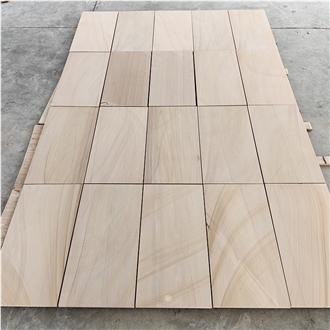
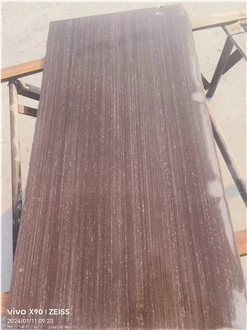
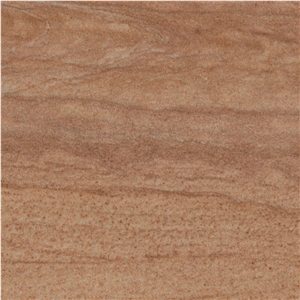
Wood Grain Sandstone features a muted, earthy greyish-green to olive-taupe base color. Its distinctive vertical wood-grain pattern consists of dense, parallel linear veins and subtle striations that closely resemble natural timber. The interplay of olive, grey, taupe, and darker mineral lines creates an organic, layered appearance, making this sandstone suitable for contemporary and rustic architectural designs.

Texture & Structure

Wood Grain Sandstone has a sedimentary structure with a fine to medium-grained texture and pronounced linear banding. Its parallel veins and subtle striations create a continuous wood-like pattern across the surface. The grain direction and intensity may vary between blocks and slabs, producing natural variations in color and pattern. Depending on the finish, the surface can appear smooth and refined or retain a more natural, tactile texture.

Usage

Subject to verified physical properties, suitable applications may include:

  • Interior flooring and wall cladding.
  • Exterior façades and architectural panels.
  • Feature walls in residential and commercial interiors.
  • Decorative columns and fireplace surrounds.
  • Garden pathways, patios, and landscaping features.
  • Paving and steps, provided abrasion resistance and slip resistance are appropriate.
  • Custom architectural and decorative stonework.

For outdoor applications in climates with freeze-thaw cycles, water absorption, frost resistance, and the stone's structural integrity should be evaluated before installation.

Maintenance

Wood Grain Sandstone should be maintained with products suitable for natural sandstone.

  • Clean regularly using a soft brush or cloth and a pH-neutral stone cleaner.
  • Avoid strong acids, harsh chemicals, and abrasive cleaning tools.
  • Consider a compatible penetrating sealer to help reduce water and oil absorption.
  • Remove spills promptly to minimize staining.
  • For exterior installations, ensure proper drainage and avoid prolonged water accumulation.
  • Use a finish appropriate for the application, especially for wet areas and outdoor paving where slip resistance is important.
  • Test cleaning products and sealers on an inconspicuous area before full application.

Regular inspection and appropriate sealing intervals will depend on the stone's porosity, surface finish, exposure, and level of use.

FAQ

How can I repair the scratched surface of the Wood Grain Sandstone steps?

Repairing scratched Wood Grain Sandstone steps can be a delicate task, as you want to maintain the natural appearance of the stone. Here is a step-by-step guide to help you repair the scratches: 1. **Cleaning the Surface**: Begin by cleaning the surface thoroughly. Use a soft brush and a mixture of mild soap and water to remove any dirt, dust, or debris. Rinse with clean water and allow the stone to dry completely. 2. **Assess the Damage**: Once the surface is clean, assess the depth and extent of the scratches. Minor scratches can often be repaired with simple methods, while deeper scratches might require professional intervention. 3. **Sand the Surface**: For minor scratches, use fine-grit sandpaper (around 300 to 600 grit) to gently sand the scratched area. Rub the sandpaper in a circular motion over the scratch. Be careful not to sand too aggressively, as this can cause further damage to the stone. If the scratch persists, you may need to use a slightly coarser grit and gradually work your way to a finer grit. 4. **Buff the Area**: After sanding, use a damp cloth or a stone buffer to buff the area. This helps to blend the repaired area with the surrounding stone and restore some of its natural gloss. 5. **Apply Stone Sealer**: Once you’re satisfied with the repair, apply a stone sealer to protect the surface and enhance its appearance. Choose a sealer specifically designed for sandstone to ensure compatibility. Follow the manufacturer’s instructions for application, typically using a soft cloth or brush. 6. **Allow to Cure**: Allow the sealer to cure according to the product instructions before using the steps. This might take several hours to a day, depending on environmental conditions and the sealer used. 7. **Regular Maintenance**: To prevent future scratches and damage, regularly clean the steps and consider applying a stone sealant annually. Avoid dragging heavy or sharp objects across the stone, and consider using mats or rugs in high-traffic areas. If the scratches are too deep or extensive, or if the sandstone has developed structural issues, it may be best to consult a professional stone restoration specialist for effective repair.

Is Wood Grain Sandstone a suitable choice for gravestones?

Wood Grain Sandstone can be used for gravestones, but there are several factors to consider before making a decision: 1. **Durability**: Sandstone is generally a softer stone compared to granite or marble, which makes it more susceptible to weathering and erosion over time. This means that a gravestone made from Wood Grain Sandstone might not last as long as those made from harder materials, particularly in harsh climates. 2. **Aesthetic Appeal**: The wood grain pattern of this sandstone can provide a unique and attractive appearance that may be desirable for those seeking a distinctive gravestone. The natural patterns can add character and individuality to the monument. 3. **Maintenance**: Sandstone requires more regular maintenance compared to harder stones. It can absorb moisture, which might lead to moss or algae growth if not cleaned periodically. This could be a consideration depending on the gravestones location and exposure to the elements. 4. **Cost**: Sandstone is typically more affordable compared to granite or marble, which might make it a practical choice for those on a budget. However, the potential for increased maintenance costs over time should also be considered. 5. **Engraving**: The softness of sandstone can make engraving easier, but it may also mean that inscriptions could erode more quickly and need to be refreshed or re-engraved sooner than on harder stones. Ultimately, if the unique aesthetic of Wood Grain Sandstone and potential cost savings align with your preferences and the location is conducive to maintaining the stones condition, it could be a suitable choice. However, for longevity and minimal maintenance, harder stones like granite might be more appropriate.

Is Wood Grain Sandstone durable enough for use as outdoor terrace pavers?

Wood Grain Sandstone can be a viable option for outdoor terrace pavers, but its suitability depends on a few factors. Sandstone, in general, is a durable natural stone that can withstand outdoor conditions, but there are some considerations to keep in mind: 1. **Weather Resistance**: Sandstone can withstand various weather conditions, but its porosity may cause it to absorb water, which could lead to damage in freeze-thaw cycles in colder climates. Sealing the sandstone can help mitigate this issue by reducing water absorption. 2. **Hardness and Wear**: Sandstone offers a good balance between hardness and workability. It is strong enough for foot traffic, making it a good option for terrace pavers. However, it is not as hard as granite, so it might show signs of wear over time, especially in high-traffic areas. 3. **Texture and Slip Resistance**: The natural texture of Wood Grain Sandstone provides some slip resistance, which is a safety benefit for outdoor uses. However, this can vary between different finishes, so its important to consider the specific texture of the sandstone you are using. 4. **Aesthetic Appeal**: The wood grain pattern can provide a unique and attractive appearance, mimicking the look of wood with the durability of stone, which could enhance the visual appeal of an outdoor terrace. 5. **Maintenance**: Regular maintenance, such as cleaning and resealing, is important to maintain the appearance and longevity of sandstone pavers. This helps in preventing staining and reduces the risk of erosion or other types of degradation. In conclusion, Wood Grain Sandstone can be suitable for outdoor terrace pavers, provided that it is properly sealed, installed, and maintained. Its important to consider the specific environmental conditions of your area, as well as conducting regular upkeep, to ensure the longevity and performance of the sandstone pavers.

Is Wood Grain Sandstone heat resistant? Is it suitable for use in fireplaces?

Wood Grain Sandstone, like many types of sandstone, has some heat-resistant properties due to its formation and composition. However, whether its suitable for use in fireplaces depends on various factors, including the specific type of sandstone and the conditions it will be exposed to. 1. **Heat Resistance**: Sandstone generally possesses moderate heat resistance. It can withstand typical temperature changes associated with fireplaces, but it is not as heat resistant as materials like granite or ceramic tiles. 2. **Thermal Conductivity**: Sandstone has a relatively low thermal conductivity, which means it doesnt transfer heat as quickly as metals or other stones. This property can make it a decent choice for fireplace surrounds. 3. **Durability**: Wood Grain Sandstone can be durable, but it’s important to assess how it reacts to high temperatures. Repeated heating and cooling might cause some types of sandstone to crack or degrade over time if they are not specifically designed for high-heat applications. 4. **Porosity**: Sandstone is typically quite porous. This means it can absorb moisture, which might lead to issues like cracking when exposed to high heat, especially if theres any retained moisture. 5. **Finish and Maintenance**: The finish and upkeep of the sandstone can affect its suitability for fireplace use. Sealing the stone may be necessary to protect against stains or moisture, which can, in turn, help with its heat resistance. 6. **Aesthetic Considerations**: Wood Grain Sandstone has an appealing aesthetic, which can enhance the visual appeal of a fireplace setting. For best results, consult with a professional to ensure that Wood Grain Sandstone is appropriately evaluated for your specific fireplace setup. They can offer guidance on whether it needs additional treatment or if an alternative stone might better suit your needs.

Can Wood Grain Sandstone be used for kitchen islands?

Yes, Wood Grain Sandstone can be used for kitchen islands, but there are several factors to consider. Wood Grain Sandstone is a natural stone with a unique, textured appearance that mimics the look of wood, making it an attractive option for a rustic or natural aesthetic. However, its important to weigh the pros and cons before deciding: 1. **Aesthetic Appeal**: Wood Grain Sandstone offers a unique and visually appealing look, adding character and warmth to a kitchen. 2. **Durability**: While sandstone is durable, it is generally softer and more porous than materials like granite or quartz. This means it can be more susceptible to scratches, stains, and moisture damage, especially in a high-use area like a kitchen. 3. **Maintenance**: Sandstone requires regular sealing to help protect it from stains and moisture. Youll need to be diligent about maintaining the sealant and cleaning up spills promptly to avoid staining and damage. 4. **Cost**: It can be a cost-effective option compared to some other natural stones, but prices can vary depending on the quality and specific type of sandstone. 5. **Compatibility**: Make sure it complements the overall design of your kitchen and check with a professional to ensure its suitable for your specific needs. If you love the look of Wood Grain Sandstone and are prepared to maintain it properly, it can be a beautiful addition to your kitchen. However, it might not be the best choice if you’re looking for a low-maintenance, high-durability surface.

Can Wood Grain Sandstone be used in freeze-thaw climates?

Wood Grain Sandstone can be used in freeze-thaw climates, but there are some considerations to keep in mind to ensure its durability and longevity. 1. **Porosity and Water Absorption**: Sandstone is a porous material, which means it can absorb water. In freeze-thaw climates, water that has penetrated the stone can freeze and expand, potentially causing the stone to crack or spall over time. It is important to select a sandstone with a low water absorption rate to minimize these risks. 2. **Sealant Application**: Applying a high-quality, breathable sealant can help protect the sandstone from moisture ingress. Regular maintenance and reapplication of the sealant might be necessary to maintain its protective qualities. 3. **Quality and Density**: The quality and density of the sandstone also play a crucial role in its performance in freeze-thaw environments. Higher density sandstones are generally more resistant to freeze-thaw damage. 4. **Installation Techniques**: Proper installation is critical. Ensuring good drainage and avoiding water pooling around the stone can help reduce freeze-thaw damage. Techniques such as using proper bedding and joint materials can also help protect the stone. 5. **Local Climate and Conditions**: Consider the specific conditions of the installation site, such as the temperature range, frequency of freeze-thaw cycles, and exposure to elements like de-icing salts, which can affect the stones durability. 6. **Manufacturers Recommendations**: Always consult with the supplier or manufacturer for specific recommendations related to the type of sandstone you are considering, as different types of sandstone may have different properties and performance characteristics under freeze-thaw conditions. By taking these precautions, Wood Grain Sandstone can potentially be used in freeze-thaw climates, but careful planning and maintenance are key to its successful application.

Products & Prices

View More

Hot Sandstone

New Sandstone

Post Your Request

The request includes:
  1. surface finished, size
  2. quantity required