Post Your Needs

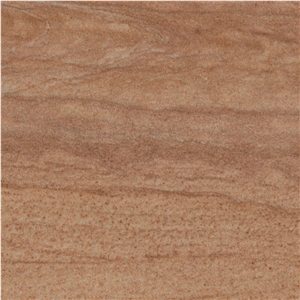
Beige Almorqui Sandstone

Sandstone

Spain

About

Item Details

Material Type:
Sandstone
Origin:
Spain (Nava de Campana, Hellín, Castile-La Mancha)
Recommended Usage:
planters, fountains, facade, urban street furnitures, building stone, ornamental stone, stairs, interior, exterior wall applications, mosaic, waterjet pattern, wall panels, table tops, balustrades, columns, wall and pool copings, pool pavers, fireplaces
Additional Names:
Almorqui Beige Sandstone, Beige Almorquí Arenisca, Arenisca Almorquí, Beige Champagne Limestone, Beige Champagne Sandstone
Finished Surface:
Polished,Bush Hammered,Tumbled,Brushed,Honed,Split,Machine Cut,Natural Surface,Sandblasted,Combed,Leathered,Water Jet,Filled,Chiseled,Pickling

Testing

Water Absorption:
0.20 % by weight
Density:
2120 Kg/m³
Flexural Strength:
12.1 MPa
Compressive Strength:
72 MPa

Description

Stone Type: Natural Sedimentary Stone

Commercial Name: Almorquí (Beige Champagne) Sandstone

Note: Although sometimes referred to as “arenisca” (sandstone) in Spanish, Almorquí is commercially recognized as a limestone.

Geological Classification

  • Rock Type: Limestone (The quarry owner prefers to classify it as a sandstone)
  • Formation: Sedimentary, formed from calcium carbonate accumulation in marine environments
  • Origin Country:Nava de Campana, Hellín, Castile-La Mancha, Spain

Texture

  • Fine-grained
  • Homogeneous structure
  • Low porosity compared to typical sandstone

Pattern

  • Uniform and consistent
  • Light beige to champagne background
  • Minimal variation, providing a clean, neutral appearance

Color

  • Light beige to champagne
  • Warm neutral tone suitable for varied design applications

Mineral Composition (% by weight)

  • Calcium Carbonate (CaCO₃): ~90–95%
  • Clay / Silica Minerals: ~5–10%
  • Trace organic material and minor fossil fragments

Physical & Mechanical Properties

  • Apparent Density: 2.12 g/cm³ 
  • Water Absorption: 0.20 %-Low, very dense
  • Flexural Strength: 12.1 MPa
  • Compressive Strength: 72 MPa
  • Freeze-Thaw Resistance: 168 cycles-Excellent durability
  • Open Porosity: 20.5 %-Moderate porosity
  • Mohs Hardness: ≈ 3–4-Soft to medium

FAQ

Is Beige Almorqui Sandstone durable enough for use as walkway pavers?

Beige Almorqui sandstone can be used for walkway pavers, but there are some considerations to keep in mind regarding its durability. Sandstone, in general, is a sedimentary rock that can offer a decent level of durability, but the specific characteristics can vary based on the quarry and the geological conditions under which it was formed. When considering Beige Almorqui sandstone for walkway pavers: 1. **Porosity and Density**: Sandstones are typically porous, which might lead to water absorption. This can make them susceptible to weathering, especially in freeze-thaw climates. Its crucial to ensure proper sealing of the stone to help prevent moisture penetration. 2. **Hardness**: While sandstones can be quite hard, they might not be as hard as granite or basalt. Consider the level of foot traffic the walkway will endure; high-traffic areas may cause the stone to wear down over time. 3. **Climate**: In areas with severe weather conditions, such as extreme temperatures or heavy rainfall, sandstone may be less durable compared to other stones. Proper maintenance and sealing can mitigate some weather-related issues. 4. **Maintenance**: Regular cleaning and sealing are recommended to help preserve the appearance and structural integrity of the stone. 5. **Surface Finish**: The finish of the stone can impact its durability and slip resistance. A honed or textured finish might be preferable for outdoor walkways to reduce slipperiness when wet. Overall, while Beige Almorqui sandstone can be suitable for walkway pavers, it is important to take these factors into account, ensure proper installation and maintenance, and possibly consult with a local stone supplier or contractor with experience in your climate.

Does the surface of Beige Almorqui Sandstone scratch easily?

Beige Almorqui Sandstone, like many other types of sandstone, generally has a moderate level of hardness. This means it can be somewhat susceptible to scratching or surface damage, especially if subjected to heavy or sharp objects. Sandstone is a sedimentary rock composed mainly of sand-sized mineral particles or rock fragments, which can vary in hardness and durability based on its composition and the conditions under which it was formed. If you plan to use Beige Almorqui Sandstone for applications where it may be exposed to heavy use or traffic, it is important to consider sealing the surface to help protect it from scratches and other types of damage. Regular maintenance and care, such as cleaning and avoiding harsh abrasives, can also help preserve the stones appearance and longevity.

Can Beige Almorqui Sandstone be used for kitchen countertop?

Beige Almorqui Sandstone can technically be used for kitchen countertops, but it might not be the best choice for this application. Sandstone is a sedimentary rock that is relatively porous and softer compared to other natural stones like granite or quartz. This means that it can absorb liquids, making it prone to stains and damage from acidic substances. Additionally, it can scratch or chip more easily under regular kitchen use. For a kitchen countertop, its generally recommended to use a harder and more non-porous material such as granite, quartz, or engineered stone, which are more durable, easier to clean, and better suited to withstand the wear and tear of a kitchen environment. If you decide to use sandstone, its important to ensure proper sealing and regular maintenance to help mitigate some of its vulnerabilities. However, expect higher maintenance compared to other more durable materials.

How can I repair the scratched surface of the Beige Almorqui Sandstone steps?

Repairing scratched Beige Almorqui Sandstone steps involves a few careful steps to ensure the surface is restored to its original appearance. Here’s a step-by-step guide to help you with the process: 1. **Cleaning**: - Begin by thoroughly cleaning the steps to remove any dirt, dust, or debris. Use a mild detergent mixed with water and a soft-bristle brush. Rinse with clean water and let the surface dry completely. 2. **Assess the Damage**: - Examine the scratches closely to determine their depth. This will help you decide on the right method for repair. Shallow scratches may be repaired by polishing, while deeper ones may require filling. 3. **Polishing Shallow Scratches**: - For light scratches, you can use a fine-grade sandpaper (such as 400-grit) to gently sand the scratched area. Work in small, circular motions, and be careful not to sand too aggressively, as it can create more scratches. - After sanding, polish the area using a suitable sandstone polishing compound and a soft cloth or pad. Buff the area until the scratches are no longer visible and the surface is smooth. 4. **Filling Deeper Scratches**: - For deeper scratches, you will need to fill them. Use a sandstone repair kit or a polyester resin-based stone filler that matches the color of your sandstone. - Mix the filler according to the manufacturer’s instructions, and apply it to the scratch using a small putty knife. Press the filler into the scratch, ensuring it’s level with the surrounding surface. - Allow the filler to cure as per the manufacturer’s instructions, and then sand the area smooth with fine-grit sandpaper once it’s fully set. 5. **Sealing**: - After repairs are complete, consider sealing the sandstone steps to protect the surface from future scratches and stains. Use a high-quality stone sealer appropriate for sandstone. 6. **Final Polish**: - Once the sealer has dried, give the steps a final polish to enhance the stones natural appearance and ensure an even finish. **Pro Tips**: - Always test any repair materials on a small, inconspicuous area first to ensure compatibility and color match. - For extensive damage, consider consulting a professional to avoid further damage to the stone. These steps should help in restoring the appearance of your sandstone steps. Remember to maintain regular cleaning and protection to keep them looking their best for longer.

Is Beige Almorqui Sandstone with a polished surface good for commercial building flooring?

Beige Almorqui Sandstone with a polished surface can be used for commercial building flooring, but there are several factors to consider: 1. **Durability**: Sandstone, in general, is a relatively soft stone compared to granite or quartzite. While it can be durable, it may be more susceptible to scratching and wear, especially in high-traffic areas typical in commercial buildings. 2. **Slip Resistance**: A polished surface may reduce the slip resistance of the flooring, which can be a safety concern, particularly in areas prone to getting wet or where spills may occur. It may be necessary to treat the stone with a slip-resistant finish or choose a honed or textured finish instead. 3. **Maintenance**: Polished sandstone can require regular maintenance to keep its appearance and prevent staining. This might include sealing the stone periodically and cleaning it with appropriate products to avoid damaging the surface. 4. **Aesthetic Appeal**: Beige Almorqui Sandstone has a natural and elegant appearance, which can enhance the aesthetic appeal of a commercial space. Its light color can also contribute to a bright and welcoming environment. 5. **Cost**: Consider the cost of the stone, including installation and maintenance, and how it fits within your budget for the project. 6. **Environmental Conditions**: Consider the climate and environmental conditions of the building location. Sandstone is porous and may not be ideal for extremely damp environments without proper sealing. Ultimately, while Beige Almorqui Sandstone with a polished surface can be used for commercial flooring, it is important to assess these factors and consult with a professional to ensure it meets the specific needs and regulations of the project.

Is Beige Almorqui Sandstone a suitable choice for gravestones?

Beige Almorqui Sandstone can be used for gravestones, but there are several factors to consider before making a decision. Here are some points to consider: 1. **Durability**: Sandstone is generally less durable than materials like granite or marble. It is more susceptible to weathering and erosion over time, especially in environments with frequent freeze-thaw cycles or acid rain. 2. **Aesthetics**: Beige Almorqui Sandstone has a natural and warm appearance that can be quite appealing. Its color and texture can convey a softer, more natural look compared to the polished finish of granite or marble. 3. **Maintenance**: Sandstone may require more maintenance to keep it looking good, as it can absorb moisture and become stained or dirty over time. Sealing the stone can help protect it, but this will need to be reapplied periodically. 4. **Cost**: Sandstone can be more affordable than granite or marble, which might be a consideration depending on your budget. 5. **Workability**: Sandstone is relatively easy to carve and can be customized with detailed designs. This can be an advantage if you want a unique or intricate design on the gravestone. 6. **Local Climate**: Consider the local climate where the gravestone will be placed. If the area is prone to harsh weather conditions, sandstone might not be the best option long-term due to its susceptibility to weathering. Overall, while Beige Almorqui Sandstone can be used for gravestones, its important to weigh these factors and potentially consult with a stone expert or a monument builder to ensure its the right choice for your specific needs and conditions.

Products & Prices

Hot Sandstone

New Sandstone

Post Your Request

The request includes:
  1. surface finished, size
  2. quantity required