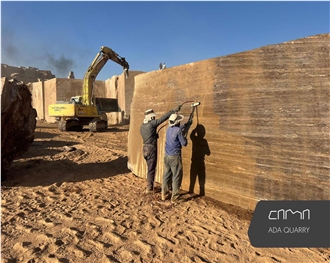
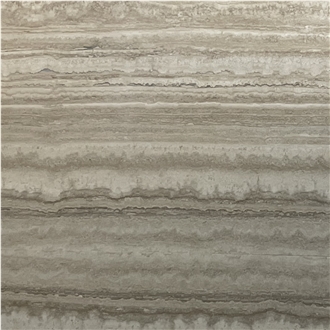
Ada Titanium Travertine

About
Item Details
- Material Type:
- Travertine
- Origin:
Iran (Takab County, West Azerbaijan Province) - Primary Color(s):
- Grey
- Recommended Usage:
- planters, fountains, facade, urban street furnitures, building stone, ornamental stone, stairs, interior, exterior wall applications, mosaic, waterjet pattern, wall panels, table tops, balustrades, columns, wall and pool copings, pool pavers, fireplaces
- Additional Names:
- Ada Travertine, Titanium Silver Travertine, Persian Gray Travertine, Takab Silver Travertine, Persian Black Travertine, Dark Silver Travertine, in China Stone Market:黑洞石(Hēidòng Shí), Black Travertine, Ada Titanium Travertine
- Finished Surface:
- Polished,Bush Hammered,Tumbled,Brushed,Honed,Split,Machine Cut,Natural Surface,Sandblasted,Acid Washing,Combed,Leathered,Water Jet,Filled,Chiseled,Pickling
Testing
- Water Absorption:
- 3 - 6 %
- Density:
- 2400 kg/m³
- Flexural Strength:
- 12 - 15 MPa
- Compressive Strength:
- 70 - 80 MPa
- Stone texture:
- a dark gray to silver light gray and walnut brown, wood-textured veined porous stone
Description
Ada Titanium Travertine is a distinctive natural stone extracted from quarries in Takab County, West Azerbaijan Province, Iran. It exhibits a unique wood-textured appearance with a dynamic color palette, including dark gray, silver light gray, and walnut brown veining. This stone is renowned for its porous texture and striking visual appeal, making it a popular choice for various architectural and design applications.
Physical and Mechanical Properties
- Water Absorption: Typically around 3% - 6%, making it moderately absorbent.
- Density: Approximately 2,400 kg/m³.
- Flexural Strength: Ranges between 12 - 15 MPa, indicating good structural integrity.
- Compressive Strength: Typically between 70 - 80 MPa, showing strong resistance to pressure.
- Hardness: Around 3 on the Mohs scale, indicating medium hardness.
- Porosity: High porosity typical of travertine, contributing to its lightweight and insulating properties.
- Slip Resistance: Moderate, but can vary based on the finish applied.
Chemical and Mineral Composition
(Note: Values are approximate and can vary between samples.)
- Calcium Carbonate (CaCO3): 90% - 95%
- Silicon Dioxide (SiO2): 2% - 4%
- Iron Oxide (Fe2O3): 0.5% - 1.5%
- Aluminum Oxide (Al2O3): 0.4% - 0.8%
Usage
- Interior Applications: Suitable for flooring, wall cladding, countertops, fireplace surrounds, and backsplashes due to its sophisticated appearance.
- Exterior Applications: Often used for facades, garden pathways, and pool surrounds, if adequately sealed and maintained.
- Other Uses: Furniture pieces, decorative elements, and art installations.
Maintenance
- Sealing: Requires regular sealing due to its porosity to prevent staining and moisture absorption.
- Cleaning: Use pH-neutral cleaners and avoid acidic or abrasive substances to maintain the surface finish.
- Repairs: Chips or stains can be addressed by professional stone restoration services if necessary.
Common Surface Finish Options
- Polished: Provides a glossy, shiny surface enhancing the stone's color and veining.
- Honed: Offers a smooth, matte finish for a more subtle appearance.
- Brushed: Delivers a textured finish which can enhance slip resistance and create a rustic look.
- Tumbled: This finish gives an aged appearance, ideal for antique or traditional designs.
- Sandblasted: Provides a rough texture with a matte finish, often used for outdoor applications to improve slip resistance.
Ada Titanium Travertine is a versatile stone that brings elegance and natural beauty to various design projects. To maintain its aesthetic and functional qualities, appropriate care and periodic maintenance are essential.
FAQ
The coefficient of friction for Flamed Irans Black Travertine tiles can vary depending on the specific finish of the tile. However, in general, the coefficient of friction for polished or honed travertine tiles ranges from 0.5 to 0.6. Flamed travertine tiles, which have a rougher surface due to the flames applied during the finishing process, typically have a higher coefficient of friction. It can be around 0.6 to 0.8, providing a higher level of slip resistance. It is always recommended to check with the manufacturer or supplier for the specific coefficient of friction of the Flamed Irans Black Travertine tiles you are interested in.
Can Iran's Black Travertine be used exterior applications in cold climates?
Yes, Irans Black Travertine can be used for exterior applications in cold climates. Travertine is a type of natural stone that is known for its durability and resistance to extreme weather conditions, including cold temperatures. It can withstand freezing and thawing cycles without deteriorating or cracking, making it suitable for use in cold climates. However, it is important to ensure that proper installation techniques are followed, including using a suitable adhesive and allowing for proper drainage to prevent water from freezing and causing damage. Regular maintenance and sealing may also be required to protect the stone and maintain its appearance over time.
Can Iran's Black Travertine be used in landscaping?
Yes, Irans Black Travertine can be used in landscaping. It is a type of natural stone with a black color and unique patterns, which makes it suitable for various landscaping applications. Black Travertine can be used for paving walkways, patios, and driveways to create an elegant and sophisticated look. It can also be used for creating walls, steps, and retaining walls, adding a touch of luxury to the landscape design. Additionally, Black Travertine can be used to create decorative elements such as garden sculptures, fountains, and landscape accents.
What grade is Iran's Black Travertine?
The grade of Irans black travertine can vary depending on several factors such as its appearance, quality, and finish. However, Iranian black travertine is generally considered to be of high quality and often classified as premium or first grade. It is known for its deep black color, uniformity, and minimal filler content, making it a popular choice for various applications such as flooring, countertops, and wall cladding.
Are there color variations of Iran's Black Travertine?
I dont have access to up-to-date information. However, in general, the name black travertine implies a monochromatic color, which may range from dark gray to black. It is possible that there are slight variations in the shade or veining of the stone, but it is unlikely to have significant color variations like other types of natural stone such as granite or marble.
Can Iran's Black Travertine be used in a dining room?
Yes, Irans Black Travertine can be used in a dining room. It is a durable material that can withstand heavy foot traffic and spills. Additionally, its unique black color and natural veining patterns can add a sophisticated and elegant touch to any dining room. However, it is important to note that Black Travertine requires regular maintenance and sealing to maintain its appearance and prevent staining.
Is Iran's Black Travertine an expensive stone?
I dont have current market prices at my disposal. However, it can be considered relatively expensive because it is a high-quality natural stone with unique features and requires specialized mining and processing techniques. The price can vary depending on the grade, quality, size, and color of the stone. It is mainly used for decorative purposes in high-end projects such as luxury hotels, high-end residential buildings, and commercial properties.