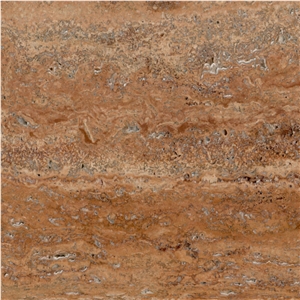
Afghanistan Yellow Travertine

About
Item Details
- Material Type:
- Travertine
- Origin:
Afghanistan (Malistan, Ghazni province) - Primary Color(s):
- Yellow
- Recommended Usage:
- planters, fountains, facade, urban street furnitures, building stone, ornamental stone, stairs, interior, exterior wall applications, mosaic, waterjet pattern, wall panels, table tops, balustrades, columns, wall and pool copings, pool pavers, fireplaces
- Additional Names:
- Malistan Yellow Travertine, Afghanistan Gold Travertine, Malistan Travertine, Afghanistan Yellow Travertine, Afghan Gold Travertine, Afghanistan Yellow, Afghanistan Yellow Travertine
- Finished Surface:
- Polished,Bush Hammered,Tumbled,Brushed,Honed,Split,Machine Cut,Natural Surface,Sandblasted,Combed,Leathered,Water Jet,Filled,Chiseled,Pickling
Testing
- Water Absorption:
- 1 - 6%
- Density:
- 2350 - 2570 kg/m³
- Flexural Strength:
- 8 - 11 MPa
- Compressive Strength:
- 50 - 70 MPa
Description
Afghanistan Yellow Travertine is a warm-toned natural stone known for its striking yellow to golden-beige hues. It features subtle variations, including soft honey, light brown, and creamy undertones. This stone typically exhibits linear veining or diffuse patterns with tonal transitions, often highlighted by darker streaks or mineral traces. Its surface is pitted and porous, characteristic of travertine, formed by mineral spring deposition.
Physical and Mechanical Properties
- Water Absorption:Typically around 1% to 6%, indicating a relatively porous surface.
- Density:Approximately 2.35 to 2.57 g/cm³
- Flexural Strength:Generally ranges from 8 to 11 MPa, showing moderate resistance to bending.
- Compressive Strength:Approximately 50 to 70 MPa, indicating strong resistance to crushing forces.
- Hardness:Mohs scale rating of about 3 to 4, relatively soft compared to other stones.
- Porosity:High, due to the characteristic pores and voids, contributing to its lightweight structure.
- Slip Resistance:Varies based on finish, but generally provides moderate slip resistance when unpolished.
Chemical and Mineral Compositions (% by weight)
- Calcium Carbonate (CaCO₃):Predominant component, typically around 95% to 98%.
- Silica (SiO₂):Approximately 1% to 2%.
- Iron Oxides (Fe₂O₃):About 0.5% to 1.5%, contributing to the yellow and brown hues.
- Magnesium Carbonate (MgCO₃):Roughly 0.2% to 1%.
- Trace minerals:Including clay minerals, quartz, and hematite in minor amounts.
Usage
- Interior Applications:Flooring, wall cladding, countertops, backsplashes, and interior decorative elements.
- Exterior Applications:Facades, garden paths, and patio flooring.
- Other Uses:Suitable for sculptures and other artistic installations.
Maintenance
- Sealing:Requires regular sealing to protect against stains and moisture absorption.
- Cleaning:Use pH-neutral cleaners; avoid acidic or abrasive substances.
- Polishing:Regular polishing can maintain shine and minimize surface porosity in polished applications.
Cutting Sizes (cm)
- Common tile sizes include 30x30, 30x60, 60x60.
- Slabs are typically available in larger formats, such as 120x240 cm.
Surface Finish Options
- Polished:Smooth, glossy finish that highlights color and veining.
- Honed:Matte finish, with a smooth surface but less reflective than polished.
- Brushed:Textured finish that enhances the stone’s natural appearance.
- Tumbled:Antiqued finish with a distressed and aged look.
- Chiseled:Retains a rugged texture for a rustic aesthetic.
Afghanistan Yellow Travertine’s warm tones and versatile applications make it a popular choice for both aesthetic and practical purposes indoors and outdoors. Proper maintenance, including sealing and cleaning, will extend its beauty and durability in various installations.
FAQ
Yes, Afghanistan Yellow Travertine can be used in landscaping. It is a popular choice for outdoor applications such as patios, pathways, driveways, and garden walls. Its natural yellow color and smooth texture can add a touch of elegance and warmth to any landscape design. Additionally, due to its durability and resistance to weathering, it is suitable for outdoor use and can withstand the elements.
What is the coefficient of friction of Water Jet Cut Afghanistan Yellow Travertine tiles?
The coefficient of friction of Water Jet Cut Afghanistan Yellow Travertine tiles can vary depending on various factors such as surface finish, texture, and environmental conditions. Without specific information about these factors, it is difficult to provide an accurate coefficient of friction. However, generally, travertine tiles tend to have a coefficient of friction ranging from 0.4 to 0.7, which is considered relatively low in comparison to some other types of tiles. It is recommended to consult the manufacturer or supplier for the specific coefficient of friction for the Water Jet Cut Afghanistan Yellow Travertine tiles.
Can Afghanistan Yellow Travertine be used exterior applications in very humid climates?
Afghanistan Yellow Travertine can be used in exterior applications in very humid climates, but it is important to note that travertine is a naturally porous stone and may be more prone to absorbing moisture in such conditions. To mitigate potential issues, it is recommended to seal the travertine properly and regularly to create a protective barrier against moisture absorption. Additionally, proper installation techniques, such as using a suitable waterproofing membrane and ensuring proper drainage, are important in humid climates to prevent water from collecting and causing potential damage. Regular maintenance and care, including cleaning and resealing, may also be needed to maintain the stones appearance and longevity in such conditions.
How thick is Afghanistan Yellow Travertine slabs?
The thickness of Afghanistan Yellow Travertine slabs can vary, but they are typically available in thicknesses of 20mm (3/4 inch) or 30mm (1 1/4 inch). However, it is important to note that custom thicknesses may also be available upon request.
What grade is Afghanistan Yellow Travertine?
Afghanistan Yellow Travertine is not typically graded using traditional grade systems like A, B, or C as seen in some other stone materials. However, the specific quality or grade of Afghanistan Yellow Travertine can vary based on factors such as color consistency, veining, and overall appearance. It is suggested to consult with suppliers or specialists in the industry to get a better understanding of the quality and grade of a particular batch of Afghanistan Yellow Travertine.
Can Afghanistan Yellow Travertine be used in a office?
Yes, Afghanistan Yellow Travertine can be used in an office. It is a durable and versatile stone that can be used for various applications, including flooring, wall cladding, countertops, and even decorative accents. The yellow color can add warmth and sophistication to the office space, creating a professional and inviting environment. However, the suitability of any specific stone for an office ultimately depends on the design preferences and requirements of the space. It is always recommended to consult with a professional architect or interior designer to ensure the best selection for your office.
Are there color variations of Afghanistan Yellow Travertine?
Yes, there can be slight color variations in Afghanistan Yellow Travertine. Travertine is a natural stone, and its color can vary due to factors such as mineral content, impurities, and the location from which it is quarried. While Afghanistan Yellow Travertine typically tends to have a yellowish hue, it may range from lighter shades of cream and beige to deeper tones of golden yellow. These color variations can enhance the unique charm and character of the stone.
Is Afghanistan Yellow Travertine an expensive stone?
I do not have access to current market prices or trends. However, in general, travertine stone can vary in price depending on the quality, size, finish, and location. It is best to consult a stone supplier or professional to get an accurate price estimate for Afghanistan Yellow Travertine.