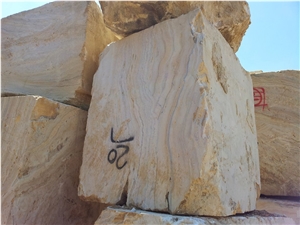
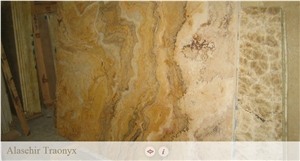
Turkeys Alasehir Traonyx Onyx can be used in exterior applications, but there are several factors to consider in very sunny climates. Onyx is relatively softer and more porous compared to other natural stones like granite or quartzite. Here are some key points to consider:
1. **UV Sensitivity**: Onyx is sensitive to ultraviolet (UV) rays, which can cause the stone to fade or discolor over time when exposed to direct sunlight. In very sunny climates, this could be a significant issue.
2. **Durability**: Onyx is less durable and more prone to scratching than harder stones. In exterior applications, it must be well-maintained and protected against physical damage.
3. **Temperature Fluctuations**: Onyx might not handle extreme temperature fluctuations as well as some other stones, which can lead to cracking or breaking over time.
4. **Sealing**: Proper sealing is essential when using onyx outdoors. A high-quality sealant can help protect the stone from UV rays, moisture, and stains.
5. **Maintenance**: Onyx requires regular maintenance to preserve its appearance and structural integrity. This includes cleaning and resealing as necessary.
In conclusion, while it is possible to use Alasehir Traonyx Onyx for exterior applications in sunny climates, it may not be the best choice unless specific steps are taken to protect and maintain the stone. If durability and minimal maintenance are top priorities, you might want to consider alternative materials that are better suited for harsh outdoor conditions.


 Turkey


 Egypt

 Mexico
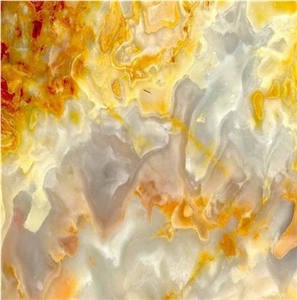
 Italy

 Tanzania
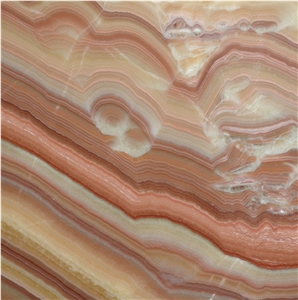

 Iran


 China

 Kyrgyzstan

 India
