Post Your Needs

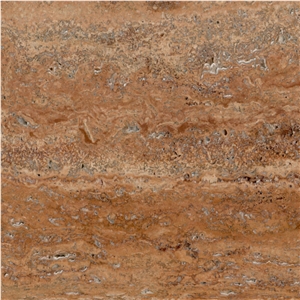
Anethum Yellow Travertine

Yellow - Travertine

Iran

About

Item Details

Material Type:
Travertine
Origin:
Iran (East Azerbaijan Province)
Primary Color(s):
Yellow
Recommended Usage:
Kitchen and bathroom countertops, wash basins, building stone, ornamental stone, stairs, interior, exterior wall and floor applications, mosaic, waterjet pattern, wall panels, table tops, balustrades, columns, wall and pool copings, pool pavers, fireplaces
Additional Names:
Anethum Gold Travertine, Persian Yellow Travertine, Iran Gold Travertine, Azarshar Yellow Travertine, Azarshar Gold Travertine, Anethum Yellow, Anethum Yellow Travertine
Finished Surface:
Polished,Bush Hammered,Tumbled,Brushed,Honed,Split,Machine Cut,Natural Surface,Sandblasted,Combed,Leathered,Water Jet,Filled,Chiseled,Pickling

Testing

Water Absorption:
1.5 - 2.5 By weight %
Density:
2380 - 2490 kg/m3
Flexural Strength:
8-12 MPa
Compressive Strength:
45.0 - 50.0 MPa
Stone texture:
features a lemon-yellow hue that can sometimes take on an orange tint, with warm golden beige shades and terracotta-colored veins

Description

Anethum Yellow Travertine is a striking natural stone quarried in the East Azerbaijan Province of Iran. It is characterized by its unique lemon-yellow hue, which sometimes adopts an orange tint. It features warm golden beige shades intertwined with terracotta-colored veins, making it a popular choice for a variety of applications in architecture and design.

Physical and Mechanical Properties:

  • Water Absorption: 1.5 - 2.5% by weight
  • Density: 2380 - 2490 kg/m³
  • Flexural Strength: Typically within the range of 8-12 MPa, though specific values can vary
  • Compressive Strength: 45.0 - 50.0 MPa
  • Hardness: Generally falls within 3-4 on the Mohs hardness scale, typical for travertine
  • Porosity: Moderate; contributes to its characteristic appearance and texture
  • Slip Resistance: Moderate; slip resistance can be enhanced with specific finishes

Chemical and Mineral Composition:

  • Calcium Carbonate (CaCO₃): Major component, typically around 95-98%
  • Iron Oxides (Fe₂O₃): Impart color variations, generally 0.5-2%
  • Silica (SiO₂): Generally around 1-2%
  • Other minerals: Include traces of magnesium, manganese, and other organic materials.

Usage:

  • Indoor Applications: Flooring, wall cladding, countertops, bathroom vanities, and decorative elements
  • Outdoor Applications: Paving, facades, and as landscape stones
  • Special Considerations: Suitable for both residential and commercial projects, offering a luxurious and warm aesthetic

Maintenance:

  • Regular cleaning with neutral pH cleaners
  • Periodic sealing is recommended to enhance stain resistance and maintain polish
  • Avoid acidic or abrasive cleaning agents to prevent damage

Cutting Sizes:

  • Common sizes include tiles in 30x30 cm, 30x60 cm, and 60x60 cm
  • Slabs typically range from 2-3 cm in thickness
  • Custom sizes and thicknesses can be produced per project requirements

Common Surface Finish Options:

  • Polished: Offers a glossy finish, enhancing color and pattern
  • Honed: Smooth finish with a matte look, suitable for indoor flooring
  • Brushed: Textured surface for enhanced slip resistance
  • Tumbled: Rounded edges with an aged look, ideal for a rustic appearance
  • Chiseled: Offers a rough-hewn, natural look

Anethum Yellow Travertine is prized for its aesthetic versatility and ability to introduce warmth and elegance to both traditional and contemporary settings. Proper maintenance ensures its longevity and continued beauty.

FAQ

What is the coefficient of friction of Leathered Iran's Anethum Yellow Travertine tiles?

The coefficient of friction of Leathered Irans Anethum Yellow Travertine tiles is not readily available as it can vary depending on several factors such as surface finish, texture, and specific conditions of the tile installation. It is recommended to consult the manufacturer or supplier for the specific coefficient of friction information for this particular tile.

Can Iran's Anethum Yellow Travertine be used exterior applications in very rainy climates?

Yes, Irans Anethum Yellow Travertine can be used for exterior applications in very rainy climates. Travertine is a natural stone that is known for its durability and ability to withstand various weather conditions. It is often used in outdoor spaces, including facades, patios, and walkways. However, it is important to note that proper sealing and maintenance of the stone is crucial to enhance its longevity and resistance to rain and other environmental factors.

Can Iran's Anethum Yellow Travertine be used in a bathroom?

Yes, Irans Anethum Yellow Travertine can be used in a bathroom. Travertine is a popular choice for bathroom tiles due to its durability and resistance to water and moisture. As long as the travertine is properly sealed and maintained, it can be an excellent choice for bathroom flooring, walls, and even countertops.

Can Iran's Anethum Yellow Travertine be used in landscaping?

Yes, Irans Anethum Yellow Travertine can be used in landscaping. It is a type of versatile natural stone that is commonly used in various landscaping applications such as walkways, patios, outdoor flooring, garden paths, retaining walls, and decorative elements. Its unique yellow color and natural texture can add a touch of elegance to outdoor spaces. Additionally, travertine is known for its durability and resistance to weathering, making it suitable for long-term use in landscaping projects.

How thick is Iran's Anethum Yellow Travertine slabs?

There is no definitive answer to this question as the thickness of the Anethum Yellow Travertine slabs from Iran can vary based on individual suppliers and customer requirements. However, commonly available thicknesses for travertine slabs range from 2 cm (approx. 0.8 inches) to 3 cm (approx. 1.2 inches). It is recommended to contact specific suppliers for their available thickness options.

Are there color variations of Iran's Anethum Yellow Travertine?

Yes, there are color variations of Irans Anethum Yellow Travertine. The natural stone can range in color from light cream to golden yellow, with variations in veining and tonality. These variations are a result of the unique geological composition and the different mineral impurities present in the stone. The color variations add to the natural beauty and uniqueness of the stone, making it a popular choice for various architectural and design applications.

Is Iran's Anethum Yellow Travertine an expensive stone?

The price of Irans Anethum Yellow Travertine can vary depending on factors such as quality, size, and availability. However, in general, travertine is considered a relatively affordable stone compared to other natural stones like marble or granite.

Hot Yellow Travertine

New Travertine

Post Your Request

The request includes:
  1. surface finished, size
  2. quantity required