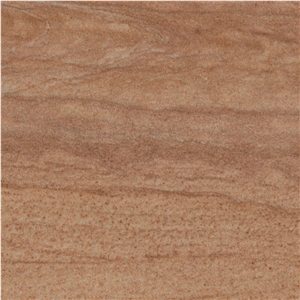
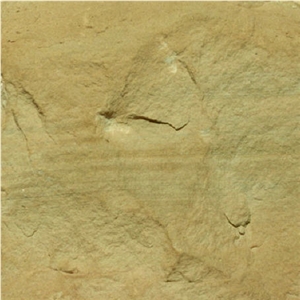
Arenite Gialla Sandstone

About
Item Details
- Material Type:
- Sandstone
- Origin:
Italy - Primary Color(s):
- Yellow
- Recommended Usage:
- monuments, building stone, ornamental stone, stairs, interior, exterior wall and floor applications, mosaic, wall panels, reliefs, window sills, balustrades, columns, wall and pool copings, pool pavers, sculptures, fireplaces, cobbles, pavers, curbstone
- Additional Names:
- Arenaria Dorata Venata, Arenaria Dorata, Arenaria Dorato, Arenite Gialla, Arenite Gialla Sandstone
- Finished Surface:
- Bush Hammered,Tumbled,Brushed,Honed,Split,Machine Cut,Natural Surface,Sandblasted,Acid Washing,Combed,Leathered,Water Jet,Chiseled,Pickling
Testing
- Water Absorption:
- 2.9 %
- Density:
- 2300 - 2500 kg/m³
- Flexural Strength:
- 8 - 12 MPa
- Compressive Strength:
- 65 - 85 MPa
- Stone texture:
- a fine-grained sandstone with a warm golden-yellow to ochre-brown tonal pattern
Description
Arenite Gialla Sandstone is a fine-grained natural stone quarried in Italy, known for its warm golden-yellow to ochre-brown tonal patterns. It is particularly revered for its aesthetic appeal, fitting well in various architectural and decorative applications.
Physical and Mechanical Properties:
- Water Absorption:Approximately 2.9 %
- Density:Generally varies but often ranges between 2,300 to 2,500 kg/m³.
- Flexural Strength:Typically around 8 to 12 MPa (Megapascals).
- Compressive Strength:Usually between 65 to 85 MPa.
- Hardness:Mohs scale rating of approximately 3 to 4.
- Porosity:Moderate porosity level, which contributes to its relatively high water absorption rate.
- Slip Resistance:Depends on the finish; honed surfaces offer moderate slip resistance while sawn or sandblasted surfaces provide higher slip resistance.
Chemical and Mineral Composition:
Major Minerals:
- Quartz: 60-80%
- Feldspar: 10-25%
- Mica, Clay Minerals: 5-15%
Minor Elements: (Percentage may vary slightly depending on the specific quarry batch)
- Iron Oxides (giving the ochre tint)
- Calcite
Usage:
Interior Applications:
-
Flooring
-
Wall cladding
-
Fireplace surrounds
-
Countertops
Exterior Applications:
-
Facades
-
Paving
-
Landscaping features
Maintenance:
- Cleaning: Regular sweeping and occasional mopping with a neutral pH cleaner.
- Sealing: Recommended especially in high-moisture areas to enhance stain resistance.
- Repairs: Damaged tiles or slabs should be replaced promptly to prevent further damage or safety hazards.
Surface Finish Options:
- Honed: Offers a smooth, matte finish.
- Polished: Glossy, reflective finish often used for interior applications.
- Brushed: Textured, mildly rough surface.
- Sandblasted: Rougher finish offering high slip resistance, suitable for outdoor paving.
- Sawn: Provides an unfinished, raw appearance.
Arenite Gialla Sandstone’s aesthetic qualities combined with its versatility in applications make it a popular choice in both residential and commercial settings. Proper maintenance and care extend its longevity, preserving its natural beauty over time.
FAQ
Yes, Italys Arenite Gialla Sandstone can be used in landscaping. Arenite Gialla Sandstone is known for its beautiful golden color and fine-grained texture, making it an ideal choice for various landscaping projects. It is commonly used for paving, wall cladding, garden features, and decorative elements such as fountains or sculptures. Additionally, this type of sandstone is durable and weather-resistant, which makes it suitable for outdoor use in landscaping.
What is the coefficient of friction of Water Jet Cut Italy's Arenite Gialla Sandstone tiles?
It is difficult to determine the specific coefficient of friction for Water Jet Cut Italys Arenite Gialla Sandstone tiles without further information or testing. The coefficient of friction can vary depending on several factors such as the surface finish, texture, and any additional treatments applied to the tiles. It is recommended to contact the manufacturer or supplier of the tiles for accurate and specific information regarding the coefficient of friction.
Can Italy's Arenite Gialla Sandstone be used exterior applications in cold climates?
Yes, Italys Arenite Gialla Sandstone can be used for exterior applications in cold climates. Sandstone is a durable and weather-resistant material that can withstand freezing temperatures and other harsh weather conditions. However, it is important to select a high-quality sandstone with suitable characteristics for cold climates, such as good frost resistance and low water absorption, to ensure long-lasting performance. It is also recommended to consult with a professional stone supplier or contractor to determine the suitability of the specific type of Arenite Gialla Sandstone for your desired exterior application in a cold climate.
Can Italy's Arenite Gialla Sandstone be used in a bathroom?
Yes, Italys Arenite Gialla Sandstone can be used in a bathroom. Sandstone is a natural stone that is known for its durability and resistance to water damage, which makes it suitable for use in wet areas such as bathrooms. However, it is important to note that sandstone is a porous material and may require sealing to protect it from staining or water absorption. Additionally, sandstone can be more prone to scratching or etching compared to harder stones such as granite or marble. So, proper care and maintenance are crucial to ensure the longevity and appearance of the sandstone in a bathroom setting.
How thick is Italy's Arenite Gialla Sandstone slabs?
The thickness of Italys Arenite Gialla Sandstone slabs can vary depending on the specific supplier and the intended use. However, common thicknesses for sandstone slabs range from 1.5 to 3 centimeters (0.6 to 1.2 inches) for indoor applications such as flooring and countertops, and 3 to 6 centimeters (1.2 to 2.4 inches) for outdoor applications like paving and wall cladding. It is always best to check with the manufacturer or supplier for the exact thickness options they offer.
Are there color variations of Italy's Arenite Gialla Sandstone?
Yes, there are color variations of Italys Arenite Gialla Sandstone. The primary color of this sandstone is yellow or golden, as gialla in Italian translates to yellow. However, within this main color classification, there can be variations in shade, saturation, and the presence of other colors such as brown or red. It is important to note that natural stone is highly variable and the exact color and appearance can vary from quarry to quarry or even within the same quarry. Additionally, factors like lighting conditions, finishing techniques, and aging can also affect the perceived color of the stone. It is always recommended to view the stone in person or request samples to get a better understanding of its color variations.
Can Italy's Arenite Gialla Sandstone be used outdoors?
Yes, Italys Arenite Gialla Sandstone can be used outdoors. Arenite Gialla Sandstone is a durable and weather-resistant material that is commonly used in exterior applications such as paving, pathways, cladding, and landscaping. It is known for its ability to withstand outdoor conditions and natural elements while maintaining its color and structural integrity.
What grade is Italy's Arenite Gialla Sandstone?
Italys Arenite Gialla Sandstone is generally categorized as a commercial grade stone.
Is Italy's Arenite Gialla Sandstone an expensive stone?
I do not have access to the current market prices of specific types of stones such as Arenite Gialla Sandstone in Italy. However, in general, the cost of natural stones can vary depending on factors such as availability, demand, transportation, and processing costs. Its best to consult with local stone suppliers or do research online to get an idea of the current prices of the stone.