Post Your Needs

Imperial Gold Sandstone

Yellow - Sandstone

Egypt

About

Item Details

Material Type:
Sandstone
Origin:
Egypt
Primary Color(s):
Yellow
Recommended Usage:
Monuments, building stone, ornamental stone, stairs, interior, exterior wall and floor applications, mosaic, wall panels, reliefs, window sills, balustrades, columns, wall and pool copings, pool pavers, sculptures, fireplaces, cobbles, pavers, curbstone
Additional Names:
Imperial Yellow Limestone, Royal Gold Sandstone, Imperial Gold Sandstone
Finished Surface:
Polished,Flamed,Bush Hammered,Tumbled,Brushed,Honed,Split,Machine Cut,Natural Surface,Sandblasted,Acid Washing,Combed,Leathered,Water Jet,Filled,Chiseled,Pickling

Testing

Water Absorption:
2.5 - 3.6 %
Density:
2250 - 2450 kg/m³
Flexural Strength:
6 - 9 MPa
Compressive Strength:
60 - 70 MPa
Stone texture:
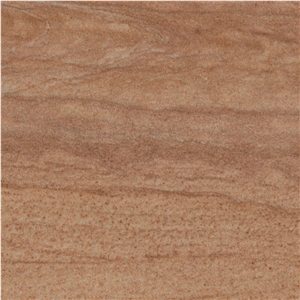
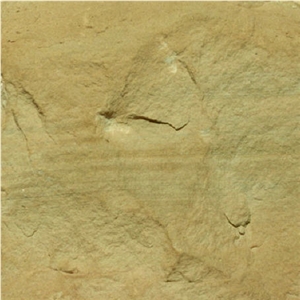
a naturally quarried yellow/golden sandstone known for its warm, rich golden‑yellow to light tan colour with subtle tonal variations that reflect its natural sedimentary origin, creating an inviting, earthy appearance suitable for both traditional and contemporary architectural schemes. The stone often shows gentle colour shifts and faint natural motifs rather than bold veining, giving it a consistent yet lively overall look ideal for paving, wall cladding, pool coping, steps, and decorative building elements. In terms of texture and structure, Imperial Gold Sandstone exhibits the typical granular, sedimentary texture of sandstone, composed of sand‑sized quartz and feldspar particles bonded by natural cementing materials, resulting in a stable, durable, and weather‑resistant stone with a tactile surface that can range from naturally riven to more refined when processed.

Description

Imperial Gold Sandstone is a naturally quarried stone, renowned for its warm golden-yellow to light tan hue. This sandstone is characterized by subtle tonal variations and faint natural motifs, providing an inviting and earthy appearance. It is ideal for a variety of architectural uses, thanks to its stability, durability, and weather resistance.

Physical and Mechanical Properties:

  • Water Absorption: Typically ranges from 2.5 to 3.6 %, allowing the stone to be suitably durable and less prone to deterioration from freeze-thaw cycles.

  • Density: Approximately 2.25 to 2.45 g/cm³, indicating a solid and robust material suited for various construction needs.

  • Flexural Strength: Ranges from 6 to 9 MPa, allowing it to withstand bending forces and making it suitable for structural applications.

  • Compressive Strength: Typically between 60 to 70 MPa, which means it can bear significant loads without crushing, ideal for vertical and horizontal applications.

  • Hardness: Mohs scale rating ranges from 6 to 7, suggesting a relatively hard stone that resists scratching and abrasion.

  • Porosity: Generally low, indicative of its resistance to water ingress and improved longevity when exposed to outdoor elements.

  • Slip Resistance: Around 0.6 to 0.8 when wet, providing a good gripping surface suitable for areas like pool surrounds and patios.

Chemical and Mineral Compositions (% by Weight):

  • Quartz: 60-70%, providing strength and durability.
  • Feldspar: 10-15%, contributing to the stone's color and weathering properties.
  • Clay Minerals: 5-10%, influencing the stone's texture.
  • Iron Oxides: 2-5%, imparting the characteristic golden hues.
  • Calcite and/or Dolomite: 5-10%, affecting the stone's binding properties and contributing to the warm tones.

Usage:

  • Paving and Patios: Its durability and slip resistance make it ideal for outdoor pathways and recreational areas.
  • Wall Cladding: Provides an aesthetically pleasing finish for both contemporary and traditional exteriors and interiors.
  • Pool Coping: Offers a non-slip, attractive boundary around pools.
  • Steps and Staircases: Its hardness and resistance to wear make it suitable for high-traffic areas.
  • Decorative Elements: Used in sculptures, columns, and other architectural details due to its aesthetic appeal.

Maintenance:

  • Regular cleaning with mild detergents and water.
  • Sealing is recommended to enhance water and stain resistance.
  • Regular inspection and immediate repair of damages to prevent moisture ingress.

Common Surface Finish Options:

  • Naturally Riven: For a rustic, traditional look with enhanced grip.
  • Honed: Smooth, matte finish for a contemporary, elegant appearance.
  • Polished: For a high-gloss, reflective surface emphasizing the stone's color and patterns (less common for exterior use due to reduced slip resistance).
  • Sanded: A slightly textured finish providing a balance between smoothness and slip resistance.

Imperial Gold Sandstone, quarried in Egypt, is highly versatile and adaptable to various architectural and decorative applications, offering both aesthetic charm and functional advantages.

FAQ

How thick is Egypt's Imperial Gold Sandstone slabs?

The thickness of Egypts Imperial Gold Sandstone slabs can vary depending on the specific supplier and customer requirements. However, a common thickness range for these slabs is typically around 2 centimeters (0.79 inches) to 3 centimeters (1.18 inches).

Can Egypt's Imperial Gold Sandstone be used exterior applications in very dusty climates?

Yes, Egypts Imperial Gold Sandstone can be used for exterior applications in very dusty climates. Sandstone is a durable and weather-resistant material that can withstand harsh environmental conditions, including dusty climates. It has been used for centuries in various architectural and construction projects, including facades, building exteriors, and outdoor landscaping. However, it is important to note that proper installation and maintenance are crucial for the longevity and performance of any stone material. Regular cleaning and sealing can help protect sandstone from dust buildup, staining, and deterioration. It is also recommended to consult with a professional or stone supplier to ensure that the specific type and quality of sandstone chosen are suitable for the intended outdoor application and the dusty climate conditions in question.

Are there color variations of Egypt's Imperial Gold Sandstone?

There are no widely recognized color variations of Egypts Imperial Gold Sandstone. This specific type of sandstone is known for its golden, yellowish-brown color with subtle variations, but it is not typically found in different hues or shades. However, its important to note that natural stones can vary in color due to geological factors and the specific quarry from which they are sourced. So, there might be slight variations in color among individual pieces of Imperial Gold Sandstone.

Can Egypt's Imperial Gold Sandstone be used in a kitchen?

Yes, Egypts Imperial Gold Sandstone can be used in a kitchen. However, it is important to note that sandstone is a naturally porous material, which means it can absorb liquids and is prone to staining. In a kitchen environment where spills and exposure to various liquids are common, it is recommended to seal the sandstone properly to protect it from stains and damage. Regular maintenance, such as resealing periodically, cleaning spills immediately, and using cutting boards and trivets, will help preserve the beauty and longevity of the sandstone in a kitchen setting.

Can Egypt's Imperial Gold Sandstone be used in wall coverings?

Yes, Egypts Imperial Gold Sandstone can be used in wall coverings. Sandstone is a popular choice for wall coverings due to its durability, natural beauty, and unique texture. It can add a touch of elegance and warmth to any space. Egypts Imperial Gold Sandstone, with its rich golden color and distinctive veining, can make for a stunning and eye-catching wall covering option.

What grade is Egypt's Imperial Gold Sandstone?

I dont have the most d information, however, I couldnt find any specific information on the grade of Egypts Imperial Gold Sandstone. Generally, sandstone is graded based on its physical characteristics such as color, texture, and durability, among others.

Is Egypt's Imperial Gold Sandstone an expensive stone?

I do not have access to real-time pricing information. However, Imperial Gold Sandstone is considered a semi-precious stone and is valued for its rarity, beauty, and durability. It is often used in high-end construction projects, such as luxury hotels and upscale residences. Therefore, it can be assumed that it is relatively expensive compared to other building materials.

Products & Prices

View More

Hot Yellow Sandstone

New Sandstone

Post Your Request

The request includes:
  1. surface finished, size
  2. quantity required