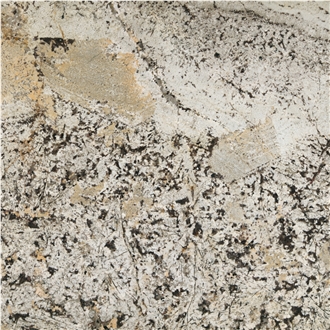
Ascot Gold Granite

About
Item Details
- Material Type:
- Granite
- Origin:
India - Primary Color(s):
- Beige
- Recommended Usage:
- kitchen and bathroom countertops, wash basins, building stone, ornamental stone, stairs, interior, exterior wall and floor applications, mosaic, waterjet pattern, wall panels, table tops, balustrades, columns, wall and pool copings, pool pavers, sculptures, fireplaces, window sills
- Additional Names:
- Ascot Golden Granite, Ivory Gold Granite, Amber Kashmir Granite, Yashi Gold Granite, Yashi Yellow Granite, in China stone market: 雅士金(Yǎshì jīn) or 雅仕金 (Yǎ shì jīn), Ascot Gold Granite
- Finished Surface:
- Polished,Flamed,Bush Hammered,Tumbled,Brushed,Honed,Split,Machine Cut,Natural Surface,Sandblasted,Acid Washing,Combed,Leathered,Water Jet,Filled,Chiseled,Pickling
Testing
- Density:
- 2660 - 2720 kg/m³
- Flexural Strength:
- 12 - 15 MPa
- Compressive Strength:
- 180 - 220 MPa
- Stone texture:
- a warm golden-beige to light honey-gold base color, often showing soft cream and sandy undertones that give the surface a bright, inviting, and naturally elegant appearance. Its overall look is typically enhanced by fine to medium distributed mineral speckles in grey, dark brown, and black, sometimes with subtle quartz or feldspar grains that add a gentle sparkle and depth without forming strong veining, resulting in a balanced and consistent pattern across slabs. The visual impression is warm, uniform, and slightly luminous, making it suitable for large-scale architectural use where a stable golden tone is preferred. In terms of texture and structure, it is a medium-grained crystalline granite composed mainly of quartz, feldspar, and mica, with tightly interlocking mineral crystals that provide high density, strength, and durability
Description
Ascot Gold Granite is a versatile and aesthetically appealing natural stone that is sought after for its warm, golden tones and durability. Below is a detailed overview of its properties, composition, and applications:
Color and Appearance:
- Base Color: Warm golden-beige to light honey-gold
- Undertones: Soft cream and sandy
- Texture: Enhanced by fine to medium mineral speckles in grey, dark brown, and black
- Special Elements: Subtle quartz or feldspar grains for sparkle and depth
- Pattern: Balanced and consistent with no strong veining, warm, uniform, and slightly luminous
Texture and Structure:
- Grain: Medium-grained crystalline
- Composition: Mainly quartz, feldspar, and mica
- Structure: Tightly interlocking mineral crystals for high density and durability
Physical and Mechanical Properties
- Water Absorption: Typically low, ensuring resistance to moisture damage
- Density: Approximately 2.66 - 2.72 g/cm³
- Flexural Strength: Estimated around 12 - 15 MPa, indicating good bend resistance
- Compressive Strength: Approximately 180 - 220 MPa, reflecting its high load-bearing capacity
- Hardness: Generally 6-7 on the Mohs scale, suitable for high-wear surfaces
- Porosity: Low, contributing to its stain and weather resistance
- Slip Resistance: Depends on surface finish, polished finishes are less slip-resistant compared to honed or flamed finishes
Chemical and Mineral Compositions (% by Weight)
- Quartz: 20-30%
- Feldspar: 50-60%
- Mica: 5-10%
- Other Minerals: Trace amounts of iron oxides and other minor components
Usage and Maintenance
- Common Uses: Countertops, flooring, wall cladding, fireplaces, outdoor surfaces, and architectural elements
- Maintenance: Regular cleaning with pH-balanced cleaners; periodic sealing is recommended to maintain surface integrity and appearance
Cutting Sizes (cm)
- Standard Slab Sizes: Typically 2cm and 3cm thickness options, custom sizes available upon request
- Tile Sizes: Common sizes include 30x30, 30x60, and 60x60 cm
Available Surface Finishes
- Polished: Provides a glossy, reflective surface that enhances color and patterns
- Honed: Offers a smooth, satin finish without mirror-like reflection
- Flamed: Rough textured finish, achieved by heating the surface, suitable for exterior applications
- Brushed: Soft texture, emphasizing the natural stone’s texture variation
Ascot Gold Granite, quarried in India, stands out due to its beautiful, warm aesthetic that provides an inviting and naturally elegant addition to various architectural settings. Its robust physical and mechanical properties, combined with versatile surface finishes and a range of sizes, make it an attractive choice for both indoor and outdoor applications. Regular maintenance will help preserve its natural beauty for years to come.
FAQ
Yes, Indias Ascot Gold Granite can be used for exterior applications in very humid climates. Granite is a durable and dense natural stone that is known for its ability to withstand extreme weather conditions, including humid climates. It is resistant to moisture, humidity, and heat, making it suitable for outdoor use. However, it is important to ensure that the granite is properly sealed to enhance its resistance to moisture and prevent any potential damage or discoloration. Regular maintenance and re-sealing may be required to keep the granite in optimal condition.
Can India's Ascot Gold Granite be used in a bathroom?
Yes, Indias Ascot Gold Granite can be used in a bathroom. Granite is a durable and versatile natural stone that is commonly used for countertops, floorings, and bathroom vanities. Ascot Gold Granite is known for its warm golden hue with waves of black, brown, and beige patterns. It can be custom cut and polished to fit bathroom countertops, vanity tops, or even used as wall cladding. However, it is important to seal granite properly to protect it from water damage and staining in a bathroom environment. Additionally, regular maintenance and cleaning are recommended to keep the granite looking its best.
What is the coefficient of friction of Filled India's Ascot Gold Granite tiles?
The coefficient of friction of Filled Indias Ascot Gold Granite tiles can vary depending on various factors such as the finish of the tiles, the surface they are being compared to, and the specific testing method used. Generally, granite is known to have a relatively high coefficient of friction, making it a suitable material for flooring purposes. However, for accurate information about the coefficient of friction of Filled Indias Ascot Gold Granite tiles, it is recommended to consult the manufacturer or a reliable supplier of the specific product.
How thick is India's Ascot Gold Granite slabs?
The thickness of Indias Ascot Gold Granite slabs can vary depending on the supplier or fabricator. However, it is common for granite slabs to be available in standard thicknesses such as 2 centimeters (3/4 inch) or 3 centimeters (1 1/4 inches).
Can India's Ascot Gold Granite be used in floor coverings?
Yes, Indias Ascot Gold Granite can be used for floor coverings. Granite is a popular material for flooring due to its durability, strength, and aesthetic appeal. Ascot Gold Granite, specifically, is known for its golden and beige tones, making it suitable for various interior design styles. Its resistance to wear and tear, heat, and moisture also make it a suitable choice for flooring in high-traffic areas such as commercial buildings or homes.
What grade is India's Ascot Gold Granite?
Indias Ascot Gold Granite is typically classified as Grade A.
Are there color variations of India's Ascot Gold Granite?
Yes, there can be some color variations in Indias Ascot Gold Granite. The stone typically features a golden or beige base color with black or brown speckles, but there may be subtle differences in shade and pattern due to natural variations in the stones composition. Additionally, the appearance of the granite can vary depending on the lighting conditions and the specific quarry from which it is sourced. It is always recommended to view samples or slabs in person to choose the one that best suits your preferences.
Is India's Ascot Gold Granite an expensive stone?
I do not have access to real-time market prices and fluctuations. However, as a general observation, the price of Ascot Gold Granite can vary greatly depending on various factors such as the size and thickness of the slabs, availability, location, and demand. Moreover, the cost may also vary from one supplier to another. Therefore, it is best to compare prices offered by different vendors and make an informed decision.


9YR