Post Your Needs

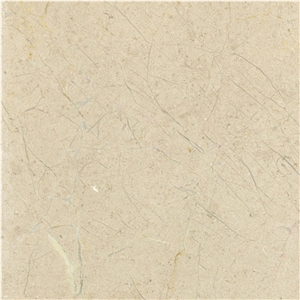
Attica Beige Marble

Beige - Marble

Greece

About

Item Details

Material Type:
Marble
Origin:
Greece
Primary Color(s):
Beige
Recommended Usage:
Kitchen and bathroom countertops, wash basins, building stone, ornamental stone, stairs, interior, exterior wall and floor applications, mosaic, waterjet pattern, wall panels, table tops, balustrades, columns, wall and pool copings, pool pavers, sculptures, fireplaces, window sills
Additional Names:
Attica Beige Limestone, Attica Beige Marble, Attica Beige, Attica Beige Marble
Finished Surface:
Polished,Bush Hammered,Tumbled,Brushed,Honed,Split,Machine Cut,Natural Surface,Sandblasted,Combed,Leathered,Water Jet,Filled,Chiseled,Pickling

Testing

Water Absorption:
0.18 - 0.35%
Density:
2700 - 2750 kg/m³
Flexural Strength:
10 - 15 MPa
Compressive Strength:
140 - 170 MPa
Stone texture:
a fine to medium-grained crystalline texture with a compact and relatively dense structure, refined natural stone characterized by a soft beige to warm creamy background, often displaying subtle tonal variations and delicate, understated veining that range from light beige to slightly darker hues, creating a calm and elegant visual harmony.

Description

Attica Beige Marble is a sophisticated natural stone quarried in Greece, known for its refined aesthetics and durability. The marble features a fine to medium-grained crystalline texture and is celebrated for its compact and dense structure. With its soft beige to warm creamy background, this marble often displays subtle tonal variations and delicate, understated veining ranging from light beige to slightly darker hues, offering a calm and elegant visual harmony.

Physical and Mechanical Properties:

  • Water Absorption: Approximately 0.18% - 0.35%
  • Density: Typically around 2.70 - 2.75 g/cm³
  • Flexural Strength: Approximately 10 - 15 MPa
  • Compressive Strength: Approximately 140 - 170 MPa
  • Hardness: Ranges around 3 on the Mohs scale
  • Porosity: Low, contributing to its dense structure
  • Slip Resistance: Medium; suitable for interior floors but may require treatment for wet areas

Chemical and Mineral Compositions (% by weight):

  • Calcium Carbonate (CaCO₃): 90% - 95%
  • Silica (SiO₂): 1% - 4%
  • Iron Oxides (Fe₂O₃): <1%
  • Magnesium Oxide (MgO): <1%
  • Alumina (Al₂O₃): <1%

Usage:

  • Ideal for both residential and commercial spaces.
  • Commonly used in flooring, wall cladding, countertops, and bathroom vanities.
  • Suitable for high-end interior design applications due to its luxurious appearance.

Maintenance:

  • Requires regular cleaning with mild, pH-neutral cleaners.
  • Seal regularly to maintain its appearance and prevent staining.
  • Avoid acidic substances that can etch the surface.

Available Common Surface Finish Options:

  • Polished: Enhances the stone's natural color and veining, providing a glossy finish.
  • Honed: Offers a smooth, matte finish with a subtle sheen.
  • Brushed/Antiqued: Provides a textured feel, giving a rustic or aged look.
  • Sandblasted: Offers a rougher texture ideal for exterior applications.

Attica Beige Marble, with its combination of aesthetic appeal and physical robustness, remains a popular choice for those seeking elegance and durability in marble stone.

FAQ

Can Greece's Attica Beige Marble be used in landscaping?

Yes, Greeces Attica Beige Marble can be used in landscaping. It is a versatile and durable material that is commonly used for various outdoor applications, including landscaping projects. It can be used for pathways, patios, outdoor steps, retaining walls, garden borders, and other hardscape features. The neutral and elegant aesthetic of Attica Beige Marble can also enhance the overall look and feel of landscaped areas, providing a timeless and natural appearance.

Can Greece's Attica Beige Marble be used in a dining room?

Yes, Greeces Attica Beige Marble can be used in a dining room. It is a versatile and elegant material that can add a touch of sophistication to the space. The neutral beige tones of the marble can complement various interior styles and color palettes. Whether used for the flooring, dining table, or countertops, Attica Beige Marble can create a luxurious and timeless look in a dining room.

What is the coefficient of friction of Water Jet Cut Greece's Attica Beige Marble tiles?

The coefficient of friction of Water Jet Cut Greeces Attica Beige Marble tiles can vary depending on various factors such as the specific surface finish of the tiles, the presence of any sealant or coating, and the condition of the surface (e.g. dry or wet). Generally, marble is known to have a moderate to high coefficient of friction, providing good slip resistance. However, to obtain the precise coefficient of friction for Water Jet Cut Greeces Attica Beige Marble tiles, it is recommended to consult the manufacturer or supplier for detailed information.

Are there color variations of Greece's Attica Beige Marble?

Yes, there can be some variations in color for Greeces Attica Beige Marble. Attica Beige Marble is known for its beige color with subtle variations in tone and veining. Some pieces may have slightly different shades ranging from light beige to a warmer or darker beige color. These natural variations in color and veining are part of the beauty and uniqueness of this marble.

What grade is Greece's Attica Beige Marble?

I do not have the ability to determine the specific grade of marble products. Also, there are no fixed standards for grading natural stone products like marbles. The grade of the Attica Beige Marble may vary from supplier to supplier based on factors such as quality, thickness, and finishing.

How thick is Greece's Attica Beige Marble slabs?

I do not have access to current information regarding Attica Beige Marble slabs thickness. However, Attica Beige Marble slabs are typically available in standard thicknesses of 2cm and 3cm. Custom thicknesses may also be available upon request from the manufacturer.

Can Greece's Attica Beige Marble be used exterior applications in very dusty climates?

I do not have the expertise to provide a definitive answer. However, it is generally not recommended to use marble in exterior applications in very dusty climates. Marble is a soft and porous natural stone that is susceptible to scratching, staining, and erosion from dust and other environmental factors. The dust can settle on the surface of the marble and cause discoloration or damage to the finish. Additionally, the constant exposure to harsh weather conditions can cause the marble to deteriorate over time. If you want to use marble in an exterior application in a dusty climate, it is important to select a high-quality, dense marble and apply a protective sealant to help prevent damage. It is also important to perform regular maintenance and cleaning to keep the marble looking its best. It is best to consult with a professional stone supplier or installer for specific recommendations based on your climate conditions.

Can Greece's Attica Beige Marble be used outdoors?

Yes, Attica Beige Marble can be used outdoors as it is durable and has a high resistance to weathering and wear. However, it is important to choose the right finish for outdoor use to minimize the risk of slipping. A honed or polished finish may become slippery when wet, so a tumbled or brushed finish may be a better option for outdoor use. Additionally, proper installation and maintenance are crucial for ensuring the longevity and appearance of the marble.

Is Greece's Attica Beige Marble an expensive stone?

I do not have access to current market prices, but generally speaking, Attica Beige Marble from Greece is considered a high-end and luxurious natural stone. Prices may vary depending on the quality, availability, and demand in the market.

Hot Beige Marble

New Marble

Post Your Request

The request includes:
  1. surface finished, size
  2. quantity required