Post Your Needs

Galala Marble

Beige - Marble

Egypt

About

Item Details

Material Type:
Marble
Origin:
Egypt (Suez, El-Galala El- Bahareyia Mountain)
Primary Color(s):
Beige
Recommended Usage:
Kitchen and bathroom countertops, monuments, building stone, ornamental stone, stairs, interior, exterior wall and floor applications, mosaic, waterjet pattern, balustrades, fireplaces, columns, wall panels
Additional Names:
Galala Beige Marble, Galalah Classic Marble, Galala Light Marble, Galala Tiger Beige Marble, Galala Classic Cream Marble, Galala Classic Beige, Galala Gold Marble, Galala Cream Marble, Galala Extra Marble, Galala Medium Marble, Royal Beige Marble, in China stone market:埃及米黄(āijí mǐhuáng), Galala Marble
Finished Surface:
Polished,Bush Hammered,Tumbled,Brushed,Honed,Split,Machine Cut,Natural Surface,Sandblasted,Acid Washing,Combed,Water Jet,Filled,Chiseled,Pickling

Testing

Water Absorption:
0.37 by weight %
Density:
2640 kg/m3
Flexural Strength:
7.8 MPa
Compressive Strength:
91.0 MPa

Description

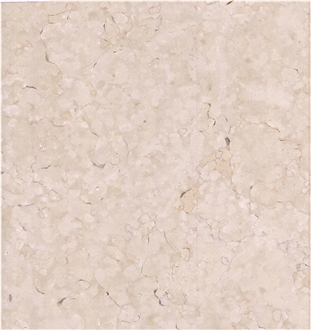
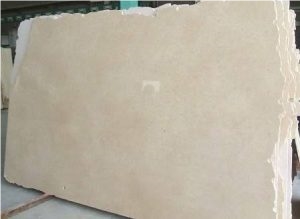
Galala Marble is a type of marble that originates from Egypt. It is widely recognized and appreciated for its creamy beige color and elegant appearance. This marble variety is renowned for its versatility and is commonly used in various architectural and design applications.

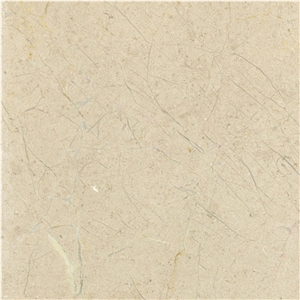
The base color of Galala Marble ranges from light to medium beige, with occasional variations in tone. It exhibits a uniform and consistent appearance, making it suitable for creating a cohesive and harmonious look in different spaces.

Galala Marble often features subtle veining and occasional fossilized remains, which add a touch of character and uniqueness to each slab. The veins can range from soft gray to beige and may create delicate patterns or movement across the surface of the marble.

One of the notable characteristics of Galala Marble is its ability to transmit light, giving it a luminous and inviting quality. This property makes it a popular choice for applications where natural or artificial lighting can enhance its beauty, such as countertops, flooring, wall cladding, and decorative accents.In terms of composition, Galala Marble is primarily composed of calcite and other minerals that contribute to its strength and durability. It is known for its ability to withstand various environmental conditions and maintain its appearance over time with proper care.

Galala Marble has been widely used in both residential and commercial projects around the world. Its neutral and timeless appeal makes it suitable for a range of design styles, from traditional to contemporary. Whether used as a focal point or as a complementing element, Galala Marble adds elegance and sophistication to any space.

Please note that while I strive to provide accurate information, specific details and availability of Galala Marble may vary. It's recommended to consult with local experts or suppliers for the most up-to-date and precise information about this particular marble variety.

Stone Characteristics-- Minimal Requirements-- Degree

Abrasion resistance hardness
(ASTM C241/c1353) Min Ha B,C,D 10 --34.8Ha
Flexural strenght Mpa.
(ASTM C880) Min 1000 PSI --1300psi
Modulus of rupture Mpa
(ASTM C99) Min 1000 PSI --1800psi
Compressive strenght Map
(ASTM C170) Min 7500 PSI --18300psi
Absorption by weight %
(ASTM C97) Max%0.20-- 0.12%
Density(Kg/m3)(ASTM C97) Min kg/m3 2305-- 2627

FAQ

How do I choose grout color for Galala Marble mosaic?

When choosing a grout color for a Galala Marble mosaic, youll want to consider a few factors to ensure the best outcome: 1. Match or Contrast: Decide if you want the grout color to blend in with the marble tile or if you prefer a contrasting look. Matching grout will create a seamless and uniform appearance, while contrasting grout will highlight the individual mosaic tiles. 2. Test Samples: Obtain grout samples in various colors and apply them to a small section of your mosaic to see how they look in different lighting conditions. This will help you visualize the final result and narrow down your options. 3. Size of Tiles: Consider the size of the Galala Marble mosaic tiles. Smaller tiles may benefit from a grout color that closely matches the dominant color of the marble to create a unified look. Larger tiles give room for more creativity, as contrasting grout colors can add visual interest. 4. Maintenance and Staining: Keep in mind that lighter grout colors might show dirt and staining more easily, which can require more frequent cleaning. Therefore, you might opt for a darker grout if maintenance is a concern. 5. Personal Preference: Ultimately, it comes down to your personal taste and the overall aesthetic you wish to achieve. Take cues from your existing decor and select a grout color that complements the overall color scheme. Remember, there is no right or wrong choice, and its always a good idea to consult with professionals or tile specialists for their expertise prior to making your final decision.

What color grout goes best with Galala Marble tile?

The best color grout to use with Galala Marble tile is a light or medium gray. It helps to enhance the natural beauty of the marble while providing a clean and crisp look. Avoid using white grout, as it may cause the marble to appear dull or yellowish in comparison.

What is the thickness of Galala Marble mosaic tiles?

The thickness of Galala Marble mosaic tiles can vary, but they are commonly available in 10 millimeters (mm) or 3/8 inches thickness. However, it is always recommended to check with the supplier or manufacturer for the specific thickness options available.

Can I restore damaged Galala Marble staircase?

Yes, it is possible to restore a damaged Galala Marble staircase. However, the extent of the damage and the specific restoration process required will depend on the type and severity of the damage. Small scratches or minor surface damage can often be repaired using polishing techniques, such as using diamond abrasives to remove the damaged layer and restore a smooth, glossy finish. This can be done through DIY methods or by hiring a professional marble restoration specialist. If the damage is more severe, such as deep cracks or breakages, it may require more extensive repair work. This could involve filling in the cracks or replacing damaged tiles or pieces of the staircase. Again, it is recommended to consult with a professional marble restoration specialist who has experience working with Galala Marble to ensure the best results. Overall, with proper care and restoration techniques, damaged Galala Marble staircases can be restored to their original beauty.

How can I fix a water damaged Galala Marble countertop?

Fixing a water damaged Galala Marble countertop can be a bit challenging, as marble is a porous material and can easily be stained or damaged by water. However, there are a few steps you can take to try and restore the appearance of the damaged area: 1. Clean the surface: Begin by thoroughly cleaning the countertop with a gentle, non-abrasive cleaner and warm water. Use a soft cloth or sponge to avoid scratching the marble. This will help remove any surface debris and dirt. 2. Assess the damage: Carefully examine the water damaged area to determine the extent of the damage. Look for any signs of discoloration, etching, or deterioration. 3. Remove stains: If the water has caused any stains on the marble, you can try using a marble-specific stain remover or a mixture of baking soda and water. Apply the solution to the stained area, gently scrub it in a circular motion, and then rinse it off. Repeat the process if necessary. 4. Polish and seal: Once the damaged area is clean and dry, you can proceed with polishing and sealing the marble. Use a marble polish to restore the shine and luster of the countertop. Afterward, apply a marble sealer to protect the marble from future water damage. 5. Prevent future damage: To prevent future water damage, make sure to wipe up any spills or water immediately. Avoid using harsh or acidic cleaners on the marble surface, as they can cause further damage. Consider using coasters or mats to protect the countertop from beverages or hot items. If the water damage is severe and cannot be addressed with these steps, it may be best to consult with a professional stone restoration specialist who can assess the damage and provide a proper solution.

Can I buff out scratches on Galala Marble countertop?

Yes, it is possible to buff out scratches on a Galala Marble countertop. Here are some steps you can follow: 1. Clean the countertop: Start by cleaning the entire surface of the countertop with a mild, non-abrasive cleaner and warm water. This will remove any dirt, grime, or surface stains. 2. Assess the scratches: Examine the scratches on your Galala Marble countertop to determine their depth. If the scratches are shallow, they can likely be buffed out with a polishing compound. For deeper scratches, you may need to consult a professional. 3. Use a marble polishing compound: Apply a small amount of marble polishing compound onto the scratched area. You can find specialized marble polishing compounds at hardware stores or online. Make sure to follow the instructions provided with the product. 4. Buff the surface: Using a soft cloth or a buffer pad, gently rub the marble polishing compound onto the scratched area in circular motions. Apply moderate pressure, but avoid pressing too hard, as excessive pressure may cause more damage. 5. Repeat if necessary: If the scratches are not completely removed after the first attempt, repeat the process until the desired result is achieved. Be patient and take your time to avoid further damage. 6. Clean and polish: Once the scratches are buffed out, thoroughly clean the countertop to remove any residue from the marble polishing compound. Rinse with clean water and dry the surface. Finally, apply a marble sealant or polish to restore shine and protect the countertop. Note: Its important to remember that marble is a delicate material, so excessive or aggressive polishing may cause more harm than good. Its always recommended to test any products or methods on a small, inconspicuous area before applying them to the entire countertop. If unsure, consider seeking professional help to avoid any damage.

What happens if I don't seal Galala Marble countertops?

If you choose not to seal Galala Marble countertops, they may be more susceptible to staining and damage from acidic substances. Marble is a porous natural stone, and without a protective sealant, it can easily absorb liquids and substances that can leave permanent stains. This includes common kitchen liquids such as wine, citrus juices, and oils. Unsealed marble countertops are also more prone to etching, which is when the surface becomes dull or light-colored due to chemical reactions with acidic substances. In addition, without a sealant, the marble will require more frequent cleaning and maintenance. You might need to use specialized cleaning products designed for natural stone and carry out regular re-polishing to maintain its appearance. Overall, sealing Galala Marble countertops is highly recommended to protect them from stains, etching, and damage, and to ensure their longevity and visual appeal.

Can I fix a chip in Galala Marble countertop?

Yes, it is possible to fix a chip in a Galala Marble countertop. Here are some steps to follow: 1. Clean the area: Begin by cleaning the chipped area with a mild soap and water solution. Make sure it is completely free of any dirt, dust, or debris. 2. Assess the damage: Examine the chip closely to determine the depth and size. If the chip is shallow and small, you can proceed with a DIY repair. However, deeper or larger chips may require professional assistance. 3. Gather the necessary materials: To fix the chip, you will need epoxy resin, a small putty knife or spatula, sandpaper (200-grit and 400-grit), and a soft cloth. 4. Mix the epoxy resin: Follow the instructions on the epoxy resin package to mix the product properly. Ensure that you have the correct amount of resin and hardener. 5. Apply the epoxy resin: Using the putty knife or spatula, carefully apply the mixed epoxy resin to the chip. Fill the chip completely, ensuring that the resin is level with the surrounding marble. 6. Smooth the surface: While the epoxy resin is still wet, use the putty knife or spatula to smoothen and level the surface. Make sure it blends seamlessly with the rest of the countertop. 7. Let it cure: Allow the epoxy resin to fully cure as per the manufacturers instructions. This typically takes about 24 hours. Keep the area free from any use or contact during this time. 8. Sand and polish: Once the epoxy resin has fully cured, use 200-grit sandpaper to gently sand the repaired area. Then, switch to 400-grit sandpaper for a finer finish. Finally, use a soft cloth to polish the repaired area until it matches the shine and smoothness of the rest of the countertop. Remember, if you are unsure or uncomfortable with the repair process, it is recommended to consult a professional marble repair specialist to ensure the best results.

How can I protect Galala Marble countertops when cooking?

To protect Galala Marble countertops while cooking, here are some suggestions: 1. Use cutting boards or chopping blocks: Avoid directly cutting or chopping on the marble surface as it can get scratched easily. Always use cutting boards as a protective layer. 2. Use trivets or hot pads: Marble is sensitive to heat, so using trivets or hot pads under hot pans, pots, or other heated cookware is advisable. This prevents direct contact of hot objects with the countertop, minimizing the chances of heat damage. 3. Clean spills immediately: Marble is porous and can be susceptible to staining if acidic or colored liquids are left sitting on the surface. Clean up any spills as soon as possible using a soft, non-abrasive cloth and a mild dish soap or stone-specific cleaner. 4. Avoid acidic or abrasive cleaning agents: Acidic substances like vinegar, lemon juice, or harsh cleaners can etch the marble surface. Also, refrain from using abrasive cleaners or scrub brushes that can scratch or damage the countertop. Instead, opt for gentle, pH-neutral cleaners specifically formulated for stone surfaces. 5. Use coasters and placemats: Protect your marble countertop from potential drink stains by using coasters under glasses and placemats under plates. This will help prevent ring marks and any accidental spills. 6. Seal the marble regularly: Apply a stone sealer recommended for marble countertops to help protect it from staining and etching. This will provide an additional barrier against spills and make it easier to clean up. 7. Avoid using the countertop as a cutting surface: As mentioned earlier, always use cutting boards instead of directly cutting on the marble surface to prevent scratches. By following these precautions, you can help maintain the beauty and integrity of your Galala Marble countertops while preparing and cooking food.

Customer reviews

Customer reviews

Write a Review
Eva**** United States

I need to see a sample of this

Helpful (0) 0Reply
Edd**** Australia

Hi does this product need sealing and if so what are your recommendations Thanks

Helpful (0) 0Reply

Project Show

Galala Marble Project

Created: Rocky Marble Egypt

This project showcases the elegant appearance of Egyptian Galala Marble, used for the exterior façade, columns, window surrounds, and decorative architectural details. The warm cream color and natural veining enhance the building's classic architectural style while providing durability and long-term performance. Galala Marble was chosen for its consistent quality, ease of fabrication, and suitability for both residential and commercial developments. The completed project highlights the beauty and versatility of Egyptian natural stone in premium façade applications.

Galala Marble Project

Products & Prices

View More

Hot Beige Marble

New Marble

Post Your Request

The request includes:
  1. surface finished, size
  2. quantity required