Post Your Needs

Bahia Travertine

Beige - Travertine

Brazil

About

Item Details

Material Type:
Travertine
Origin:
Brazil (Bahia)
Primary Color(s):
Beige
Recommended Usage:
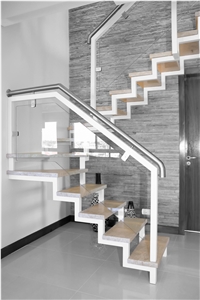
Kitchen and bathroom countertops, wash basins, building stone, ornamental stone, stairs, interior, exterior wall and floor applications, mosaic, waterjet pattern, wall panels, table tops, balustrades, columns, wall and pool copings, pool pavers, sculptures, fireplaces
Additional Names:
Travertino Bahia, Travertino Bege Bahia, Travertino Beige Bahia, Marmore Beige Bahia, Marmore Bege Bahia, Bahia Travertine
Finished Surface:
Polished,Bush Hammered,Tumbled,Brushed,Honed,Split,Machine Cut,Natural Surface,Sandblasted,Combed,Leathered,Water Jet,Filled,Chiseled,Pickling

Testing

Water Absorption:
~0.30 - 0.50%
Density:
~2460 - 2520 kg/m³
Flexural Strength:
~12 - 15 MPa
Compressive Strength:
~100 - 130 MPa

Description

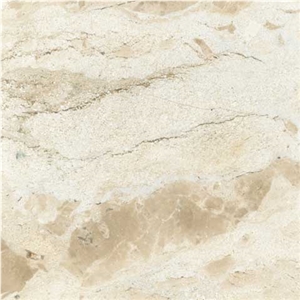
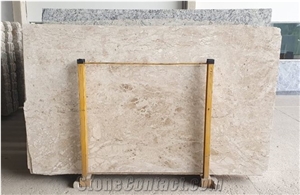
Bahia Travertine is a natural stone quarried in Bahia, Brazil, renowned for its elegant, earthy appearance. It typically presents a range of warm beige tones, with variations that may include creamy whites, light browns, and tan hues. These color transitions create a soft, natural, and timeless look, making Bahia Travertine a popular choice for both residential and commercial applications.

Texture and Pattern

Texture: Slightly porous, characteristic of travertine; can be either filled or unfilled depending on finish preference.

Pattern:

  • Subtle linear veins
  • Occasional cloud-like patches
  • Natural pits and voids typical of travertine

Technical Properties

  • Water Absorption: ~0.30 - 0.50%
  • Density: ~2460 - 2520 kg/m³
  • Flexural Strength: ~12 - 15 MPa
  • Compressive Strength: ~100 - 130
  • MPa Hardness (Mohs scale): 3 - 4 (relatively soft compared to granite)

Chemical Composition (% by weight)

  • Calcium Carbonate (CaCO3): ~92%
  • Magnesium Carbonate (MgCO3): ~2%
  • Silica (SiO2): ~1.5%
  • Iron Oxide (Fe2O3): ~0.5%
  • Others (Alumina, Trace Minerals): ~4%

Recommended Usage

  • Indoor and outdoor flooring
  • Wall cladding
  • Bathroom walls and floors
  • Pool surrounds
  • Fireplace surrounds
  • Staircases
  • Courtyards and patios (when surface finished appropriately)

Maintenance

Regular sealing is recommended due to the stone’s natural porosity, especially for high-traffic or wet areas. Clean with a pH-neutral cleaner; avoid acidic or abrasive products. Periodic re-sealing will maintain its beauty and protect it from staining.

Cutting Sizes (standard production)

Tiles:

  • 30x30 cm (12"x12")
  • 40x40 cm (16"x16")
  • 30x60 cm (12"x24")
  • 60x60 cm (24"x24")
  • Custom cut-to-size available

Slabs:

  • Thickness: 2 cm (3/4"), 3 cm (1 1/4"), special orders for 1.5 cm (5/8") and 2.0 cm (13/16")
  • Slab sizes typically around 250-290 cm x 140-180 cm (98"-114" x 55"-71")

Surface Finish Options

  • Honed (smooth, matte)
  • Polished (glossy, brings out richer colors)
  • Brushed (textured surface)
  • Tumbled (for a rustic, aged appearance)
  • Chiseled edge (for old-world finishes)
  • Filled and unfilled options available

FAQ

Can Brazil's Bahia Travertine be used in landscaping?

Yes, Brazils Bahia Travertine can be used in landscaping. Travertine is a type of natural stone commonly used in various landscape applications due to its durability, versatility, and aesthetic appeal. It can be used for outdoor flooring, pathways, patios, pool decks, garden walls, retaining walls, and other landscaping features. Bahia Travertine, specifically, is known for its beautiful cream and beige colors, which can enhance the overall look and feel of outdoor spaces. It is a popular choice among homeowners and landscape designers for its ability to create a luxurious and sophisticated ambiance in gardens and outdoor areas.

Can Brazil's Bahia Travertine be used in a office?

Yes, Brazils Bahia Travertine can certainly be used in an office setting. Travertine is a type of natural stone that is known for its durability and aesthetic appeal. It can be used for various purposes in an office, such as flooring, wall cladding, countertops, and even decorative elements like accent walls or reception desks. The warm tones and natural patterns of Bahia Travertine can create a sophisticated and inviting atmosphere in an office space.

What is the coefficient of friction of Water Jet Cut Brazil's Bahia Travertine tiles?

The coefficient of friction of Water Jet Cut Brazils Bahia Travertine tiles can vary depending on several factors such as the surface finish of the tiles, presence of any sealants or coatings, and the specific testing method used. Typically, travertine tiles have a coefficient of friction between 0.4 and 0.6. However, for accurate information regarding the coefficient of friction of these specific tiles, it is best to consult the manufacturer or supplier.

Can Brazil's Bahia Travertine be used exterior applications in very rainy climates?

Yes, Brazils Bahia Travertine can be used for exterior applications in very rainy climates. Travertine is known for its durability and resistance to weathering, making it a suitable choice for outdoor use. However, it is important to note that proper installation and maintenance practices should be followed to ensure its long-term performance in wet environments. This may include sealing the stone to protect it from moisture penetration and regularly cleaning and maintaining it to prevent any buildup of water or dirt.

Are there color variations of Brazil's Bahia Travertine?

Yes, there are color variations of Brazils Bahia Travertine. Bahia Travertine typically comes in a range of warm beige tones, but it can also include variations of cream, light brown, and tan colors. These variations occur due to differences in mineral composition and the presence of impurities during the travertines formation process.

What grade is Brazil's Bahia Travertine?

I dont have the latest information on Brazils Bahia Travertine. However, Bahia Travertine is a type of natural stone commonly used for flooring and other construction purposes. The grading of Bahia Travertine can vary based on factors such as color, pattern, density, and overall quality. It is typically graded on a scale from A to D, with A being the highest quality. The grading system may differ based on the supplier or manufacturer.

Is Brazil's Bahia Travertine an expensive stone?

I do not have access to the current market prices of Brazils Bahia Travertine. However, the price of a natural stone paver or tile depends on its quality, size, thickness, and finish. You can check with authorized suppliers or local stone sellers to get an idea of the prices in your area.

Products & Prices

View More

Hot Beige Travertine

New Travertine

Post Your Request

The request includes:
  1. surface finished, size
  2. quantity required