Post Your Needs

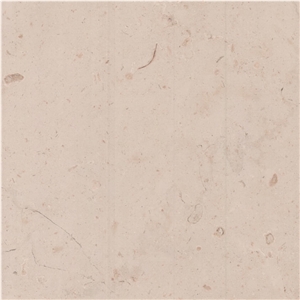
Barcy Limestone

Beige - Limestone

France

About

Item Details

Material Type:
Limestone
Origin:
France (Vilhonneur (Charente), 20 km à l'est d'Angoulême)
Primary Color(s):
Beige
Recommended Usage:
kitchen and bathroom countertops, wash basins, building stone, ornamental stone, stairs, interior, exterior wall and floor applications, mosaic, waterjet pattern, wall panels, table tops, balustrades, columns, wall and pool copings, pool pavers, sculptures, fireplaces
Additional Names:
Vilhonneur Bercy Limestone, Pierre Barcy B N, Barcy V Limestone, Pierre de Villhonneur, Vilhonneur Marbrier Banc, Vilhonneur Blanc Limestone, Combe de Brune Limestone, Limestone Combe Brune, Pierre Combe, Pierre de Combe Brune, Barcy Beige Limestone, Pierre Calcaire Barcy, Barcy, Barcy Limestone
Finished Surface:
Polished,Bush Hammered,Tumbled,Brushed,Honed,Split,Machine Cut,Natural Surface,Sandblasted,Combed,Leathered,Water Jet,Filled,Chiseled,Pickling

Testing

Water Absorption:
% 0.34
Density:
2200 - 2400 kg/m3 (NF EN 1936)
Flexural Strength:
5 - 7 MPa (NF EN 12372)
Compressive Strength:
35 - 45 MPa (NF B 10-509)
Stone texture:
also known as Vilhonneur Bercy limestone, is a type of French beige limestone known for its elegance and durability. It's a high-end natural stone, often used in construction and renovation projects for its aesthetic appeal and relatively affordable price compared to other high-end materials like marble. it is primarily beige, with variations and often features a fine grain and subtle veining, lending it a sophisticated look appearance

Description

Barcy Limestone, also known as Vilhonneur Bercy Limestone, is a prestigious type of beige limestone quarried in Vilhonneur, Charente, France. Known for its elegance and durability, it is highly regarded in the construction and renovation industry. Below is a detailed description covering its physical and mechanical properties, chemical and mineral compositions, as well as its usage, maintenance, and surface finish options.

Physical and Mechanical Properties

  • Color: Primarily Beige with subtle variations and fine grain
  • Water Absorption: 0.34%
  • Density: 2200 - 2400 kg/m³ (according to NF EN 1936)
  • Flexural Strength: 5 - 7 MPa (according to NF EN 12372)
  • Compressive Strength: 35 - 45 MPa (according to NF B 10-509)
  • Hardness: Typically falls on the lower end of the hardness scale due to limestone's natural composition (specific Mohs hardness not provided)
  • Porosity: Moderately low porosity which contributes to its durability
  • Slip Resistance: Generally provides moderate slip resistance, but specific ratings may vary depending on finish

Chemical and Mineral Compositions

While exact compositions can differ slightly based on specific geological conditions:

  • Calcium Carbonate (CaCO3): Predominantly around 96-98%
  • Magnesium Carbonate (MgCO3): Typically around 0.5-2%
  • Silica (SiO2) and other minerals: Small amounts can be present, adding to structural integrity

Usage

  • Applications: Suitable for both interior and exterior applications
  • Flooring: Popular in residential and commercial properties for its classic appearance
  • Wall Cladding: Often used for its aesthetic appeal
  • Countertops: Provides a sophisticated look, often in kitchens and bathrooms
  • Fireplaces and Facades: Used in architectural features for a timeless elegance
  • Construction Projects: Ideal for restoration of historical buildings due to its traditional provenance and look

Maintenance

  • Sealing: Regular sealing is recommended to maintain its appearance and resistance to staining
  • Cleaning: Use a pH-neutral cleaner or mild soap; avoid acidic or abrasive cleaners that can damage the surface
  • Regular Dusting/ Wiping: Helps in maintaining its luster and prevents dirt accumulation

Cutting Sizes and Surface Finish Options

  • Typical Cutting Sizes: Available in various standard and custom sizes, typically ranging from small tiles (e.g., 30x30 cm) to large slabs (e.g., 120x60 cm)
  • Common Surface Finish Options:
  • Honed: Smooth matte finish that enhances the natural color
  • Polished: Glossy finish that adds to its vibrant elegance
  • Antique: Creates a weathered appearance, contributing to traditional aesthetics
  • Brushed/ Bush-Hammered: Offers a textured surface which can enhance slip resistance

Barcy Limestone is often chosen for its balance of beauty, practicality, and cost-effectiveness relative to other luxury stones like marble. Its combination of durability and aesthetic versatility makes it a popular choice for many high-end design applications.

  • Apparent bulk density: 2200 to 2400 kg/m³ (NF EN 1936)
  • Porosity: 10 to 15% (NF EN 1936)
  • Sound propagation speed: 4000 to 5000 m/s (NF B 10-505)
  • Anchorage strength (3 cm) TYPE I: 80 to 120 daN (NF B 10-514)
  • Compressive strength: 35 to 45 MPa (NF B 10-509)
  • Capillarity C1: 2 to 5 g·cm⁻²·min⁻⁰·⁵ (NF B 10-502)
  • Capillarity C2: 2 to 5 g·cm⁻²·min⁻⁰·⁵ (NF B 10-502)

FAQ

Can France's Barcy Limestone be used exterior applications in hot climates?

Yes, Frances Barcy Limestone can be used for exterior applications in hot climates. Limestone is a popular choice for outdoor use due to its durability, weather resistance, and natural beauty. However, it is important to note that the specific performance of the Barcy Limestone in hot climates may vary depending on factors such as the degree of porosity, surface treatment, and maintenance. It is advisable to consult with a local stone professional or architect who can provide more specific guidance based on your location and project requirements.

Can France's Barcy Limestone be used in a kitchen?

Yes, Frances Barcy Limestone can be used in a kitchen. Limestone is a popular choice for kitchen countertops and flooring due to its durability and natural beauty. However, it is important to note that limestone is a porous stone, which means it may be more susceptible to staining and damage from acidic substances. Proper sealing and regular maintenance are recommended to ensure the longevity and aesthetic appeal of the Barcy Limestone in a kitchen setting.

Can France's Barcy Limestone be used in wall coverings?

Yes, Frances Barcy Limestone can be used in wall coverings. Limestone is a durable and versatile material that is often used in various interior design applications, including wall coverings. Its natural beauty, unique texture, and range of colors make it an attractive choice for creating a visually appealing and sophisticated look on walls. However, it is recommended to consult with a professional in the field to ensure proper installation and suitability for the specific project requirements.

Can France's Barcy Limestone be used outdoors?

Yes, Frances Barcy Limestone can be used outdoors. Limestone is a durable and weather-resistant material, making it suitable for various outdoor applications such as paving, cladding, and landscaping. However, it is important to note that limestone, like any natural stone, may require sealing and regular maintenance to maintain its appearance and withstand the elements. Additionally, the specific characteristics of the Barcy Limestone may vary, so it is advisable to consult with suppliers or experts in the field to ensure its suitability for your particular outdoor project.

What grade is France's Barcy Limestone?

Frances Barcy Limestone is typically classified as a lower grade limestone. It is characterized by a darker color and a more uneven texture compared to higher grade limestone varieties.

How thick is France's Barcy Limestone slabs?

I dont have access to up-to-date information about Frances Barcy Limestone slabs, and there is no specific thickness mentioned for these slabs. However, limestone slabs typically come in thicknesses ranging from 2 to 3 centimeters up to 5 to 6 centimeters or more depending on the intended use.

What is the coefficient of friction of Split France's Barcy Limestone tiles?

I cannot browse the internet and gather real-time data. However, in general, the coefficient of friction of limestone tiles depends on various factors like the type of limestone, finish, texture, and contaminants. It can range from 0.5 to 1.0, where a higher value indicates a higher slip resistance. It is recommended to check with the manufacturer or supplier of the specific Barcy Limestone tiles for their coefficient of friction or slip resistance rating.

Are there color variations of France's Barcy Limestone?

Yes, there can be some variations in color in the Barcy Limestone from France. The stone typically ranges from light beige to a medium gray color with occasional dark gray veins. However, the exact color and veining can vary depending on the specific quarry and the section of the stone that is being extracted.

Is France's Barcy Limestone an expensive stone?

I do not have access to current pricing information and market fluctuations. However, Barcy Limestone is considered a high-end natural stone, which typically means it can have a higher cost compared to other types of limestone. The price can vary depending on the quality, quantity, and availability, among other factors.

Products & Prices

Hot Beige Limestone

New Limestone

Post Your Request

The request includes:
  1. surface finished, size
  2. quantity required