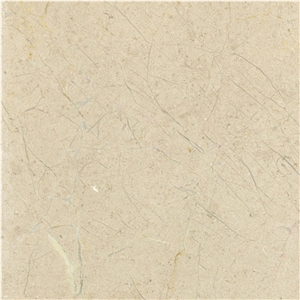
Bastia Marble, also known as Aegean Pearl or Aegean Cream, is a type of marble that is commonly quarried in Turkey. It features a cream or beige background with light veins running through it, giving it a sophisticated appearance.
In terms of its usability for exterior applications in hot climates, Bastia Marble can be used, but there are a few considerations to keep in mind:
1. Heat resistance: Marble is a natural stone that is susceptible to damage due to thermal expansion and contraction in extreme temperature conditions. In hot climates, especially areas with intense direct sunlight, the marble can become very hot, potentially leading to expansion and cracking. Therefore, it is essential to ensure that Bastia Marble is properly installed and treated to minimize these risks.
2. Surface finish: The type of finish applied to Bastia Marble can affect its suitability for exterior use. Polished marble surfaces tend to absorb less heat compared to honed or matte finishes, making them a better choice for hot climates. Polished surfaces also reflect more light, giving the marble a cooler temperature under direct sunlight.
3. Maintenance: Marble, including Bastia Marble, requires regular maintenance to preserve its appearance and integrity in exterior applications. It is crucial to apply a sealant to protect it from moisture penetration and the effects of sun exposure. Additionally, periodic cleaning and resealing may be necessary to prevent staining and fading caused by sun and weather exposure.
4. Consider shading: In hot climates, where sun exposure is often intense, it may be beneficial to consider shading the marble installations to reduce direct sunlight exposure and minimize heat absorption. This can help prolong the life and appearance of the marble.
In summary, while Bastia Marble can be used for exterior applications in hot climates, proper installation, maintenance, and consideration of factors such as heat resistance, surface finish, and shading are vital to ensure its longevity and performance in such environments. Consulting with a professional stone supplier or installer can provide more specific guidance based on the local climate and conditions.


 Turkey


 Spain


 Italy

 Oman

 Egypt

 Iran


 Myanmar


 China
