Prague Grey Sandstone

About
Item Details
- Material Type:
- Sandstone
- Origin:
China - Recommended Usage:
- Monuments, building stone, ornamental stone, stairs, interior, exterior wall and floor applications, mosaic, wall panels, reliefs, window sills, balustrades, columns, wall and pool copings, pool pavers, sculptures, fireplaces, cobbles, pavers, curbstone
- Additional Names:
- Prague Gray Sandstone, Grey Flower Sandstone, Grey Fiorito Sandstone, in China stone market:布拉格灰(Bùlāgé Huī)
- Finished Surface:
- Polished,Bush Hammered,Tumbled,Brushed,Honed,Split,Machine Cut,Natural Surface,Sandblasted,Combed,Leathered,Water Jet,Filled,Chiseled,Pickling
Testing
- Water Absorption:
- 2.0 – 3.5% by weight
- Density:
- 2300 – 2450 kg/m³
- Flexural Strength:
- 6 – 12 MPa
- Compressive Strength:
- 45 – 60 MPa
Description
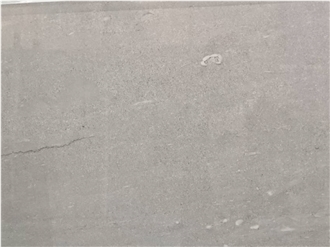
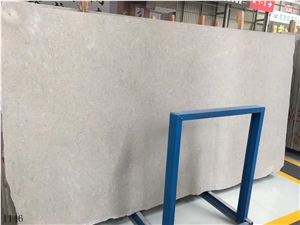
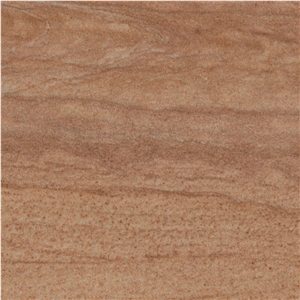
Petrographic Description: Durable, fine-grained, homogeneous sandstone with a predominantly light grey tone. Some variations may feature warm earthy hues or light beige coloration, as well as fragments of coarser sandstone. It is known for its uniform texture, moderate porosity, and excellent durability for both interior and exterior applications.
Appearance and Texture
- Base Color: Light grey, occasionally with warm beige or earthy tones
- Pattern: Subtle, uniform coloration with occasional natural sandstone fragments
- Texture: Fine-grained, smooth, and homogeneous
- Surface Feel: Smooth when polished or honed, slightly textured when sandblasted or bush hammered
Physical–Mechanical Properties
- Density EN 1936 : 2,300 – 2,450 kg/m³
- Water Absorption (by weight) EN 13755 : 2.0 – 3.5%
- Open Porosity EN 1936 : 5 – 8%
- Compressive Strength EN 1926 : 45 – 60 MPa
- Flexural Strength (3-Point Bending) EN 12372 : 6 – 12 MPa
- Abrasion Resistance EN 14157 : 25 – 35 mm³
- Mohs Hardness : 6 – 6.5
Chemical Composition (% by weight)
- SiO₂ (Silicon Dioxide) : 85 – 90%
- Al₂O₃ (Aluminum Oxide) : 5 – 7%
- Fe₂O₃ (Iron Oxide) : 1 – 3%
- K₂O + Na₂O (Alkalis) : 1 – 2%
- CaO + MgO : 0.5 – 1%
- LOI (Loss on Ignition) : 0.5 – 1.0%
Mineralogical Composition (% by weight)
- Quartz : 80 – 85%
- Feldspar : 10 – 12%
- Mica (Muscovite/Biotite) : 3 – 5%
- Accessory Minerals : <1%
Surface Finish Options
- Polished: Smooth, glossy finish for interior applications
- Honed: Matte finish highlighting natural colors
- Sandblasted: Slightly textured, slip-resistant surface for exterior use
- Bush Hammered: Rough texture for anti-slip outdoor applications
- Tumbled: Aged, rustic appearance for decorative applications
- Sawn Cut: Natural raw surface, suitable for further processing
Available Sizes
- Slabs: 200–300 × 120–160 cm, thickness 2–3 cm
- Tiles: 30 × 60 cm 60 × 60 cm 60 × 120 cm
- Custom sizes available upon request
Applications
- Flooring and wall cladding (interior & exterior)
- Paving and landscaping
- Garden paths, patios, and terraces
- Steps, risers, and staircases
- Feature walls and decorative elements
Maintenance
- Clean with pH-neutral stone cleaner
- Avoid acidic or abrasive cleaning agents
- Seal with a breathable penetrating sealer for outdoor or high-traffic areas
- Periodic resealing every 1–2 years recommended for protection
FAQ
Prague Grey Sandstone can be considered for use as walkway pavers, but several factors should be taken into account to determine its suitability and durability.
1. **Durability:** Sandstone, in general, is a sedimentary rock that can vary in durability depending on its specific composition and density. Prague Grey Sandstone might be durable, but this largely depends on its porosity and the climatic conditions it will be exposed to.
2. **Weather Resistance:** Sandstone is more porous compared to other stones like granite, which means it can absorb water. In freeze-thaw climates, this could lead to cracking or spalling over time if the stone is not adequately sealed.
3. **Maintenance:** Regular maintenance and sealing might be necessary to protect the sandstone from staining and weather damage, especially in high-traffic areas.
4. **Aesthetic Considerations:** Prague Grey Sandstone might offer a desirable aesthetic with its color and natural texture, which can be an advantage if the appearance is a key consideration.
5. **Slip Resistance:** The surface finish will impact slip resistance. A rougher, textured surface might be more suitable to prevent slipping, particularly in wet conditions.
Its important to consult with a local supplier or stonemason who can provide specific information based on the characteristics of the Prague Grey Sandstone available in your area, as well as consider the specific environmental conditions in your location.
Does the surface of Prague Grey Sandstone scratch easily?
Prague Grey Sandstone, like many sandstones, has a relatively soft and porous surface compared to harder stones such as granite or marble. This means it can be more susceptible to scratches and surface wear, especially if exposed to heavy foot traffic or abrasive materials. However, the porosity of sandstone can sometimes conceal minor scratches because the texture is not uniformly smooth. To protect the surface and enhance its durability, regular sealing and maintenance are recommended. This can help reduce the likelihood of scratching and staining while preserving the stones appearance. If scratch resistance is a major concern, consulting with a stone professional for surface treatments or alternative materials may be beneficial.
Can 2cm thickness Prague Grey Sandstone be used for pool coping?
Using 2 cm thick Prague Grey Sandstone for pool coping can be suitable in some scenarios, but there are several factors to consider before making a decision:
1. **Strength and Durability**: Sandstone is generally durable, but its strength can vary. A thickness of 2 cm is relatively thin for coping, which typically requires a robust material that can withstand foot traffic, water exposure, and potential impacts.
2. **Slip Resistance**: Ensure the sandstone has a textured surface to prevent slipping, especially when wet. Pool areas can be hazardous if the stone is too smooth.
3. **Water Absorption**: Sandstone is porous, which means it can absorb water. Ensure the stone is properly sealed to avoid damage from water and pool chemicals over time.
4. **Support and Installation**: Proper support is essential for thinner materials. Ensure that the coping is installed over a stable base to prevent cracking or shifting.
5. **Environmental Conditions**: Consider the local climate. Freezing and thawing cycles can lead to cracking and other damage in porous stones like sandstone.
6. **Maintenance**: Regular maintenance of sealing and cleaning will be required to keep the sandstone in good condition.
Before proceeding, consult with a professional installer or a structural engineer to assess whether this specific type and thickness of sandstone is suitable for your pool coping needs.
Can 2cm thickness Prague Grey Sandstone be used as a kitchen countertop?
Using 2cm thick Prague Grey Sandstone for a kitchen countertop is possible, but there are several factors to consider before proceeding. Sandstone, in general, is a softer and more porous stone compared to granite or quartz, which are commonly used for kitchen countertops. Here are some important considerations:
1. **Durability**: Sandstone is more prone to scratching and chipping than harder stones. It might not withstand heavy impacts or sharp objects as well as other countertop materials.
2. **Porosity**: Sandstone is porous, which means it can absorb liquids and stains if not properly sealed. This can be a concern in a kitchen where spills are common. Regular sealing will be necessary to protect the stone.
3. **Support**: A thickness of 2cm is relatively thin compared to the more standard 3cm thickness for kitchen countertops. This might require additional support or substrate to prevent cracking or sagging, especially for overhangs.
4. **Maintenance**: Sandstone needs regular maintenance to keep it in good condition. This includes sealing and potentially polishing to maintain its appearance.
5. **Aesthetics**: Prague Grey Sandstone can provide a unique and appealing aesthetic due to its natural patterns and colors. If you value the unique appearance and are willing to invest in maintenance, it could be a great choice.
Ultimately, if you decide to use 2cm Prague Grey Sandstone, ensure its expertly installed with proper support and sealing. Consider consulting with a professional kitchen designer or stone specialist to ensure it meets your functional and aesthetic needs.
Is Prague Grey Sandstone a suitable choice for facades in cold winter climates?
Prague Grey Sandstone can be a suitable choice for facades in cold winter climates, but several factors should be considered to ensure its performance and longevity:
1. **Durability**: Assess the sandstones durability and resistance to freeze-thaw cycles, which are common in cold climates. Some sandstones have a denser composition, making them more resistant to cracking and spalling when moisture in the stone freezes and expands.
2. **Porosity**: Evaluate the porosity of the sandstone. Lower porosity stones absorb less water, decreasing the risk of freeze-thaw damage.
3. **Finishing**: The type of finish on the sandstone can impact its performance. A rougher finish may trap more water and snow, leading to increased risk of damage. Proper sealing can help mitigate these issues.
4. **Historical Performance**: Investigate whether Prague Grey Sandstone has been traditionally used in similar climates. A history of successful application can be a good indicator of its suitability.
5. **Maintenance**: Regular maintenance and sealing are essential to protect the stone from weathering and enhance its lifespan.
6. **Installation**: Proper installation techniques, including ensuring good drainage to prevent water retention, are crucial to prevent damage in cold climates.
If these considerations are adequately addressed, Prague Grey Sandstone can be a viable option for facades in regions with cold winters. Its always advisable to consult with a local architect or engineer who has experience with this material in similar climate conditions to ensure the best results.
Can Prague Grey Sandstone be used for street kerbstones?
Prague Grey Sandstone can potentially be used for street kerbstones, but several factors should be considered to ensure its suitability for this application:
1. **Durability**: The stone must be robust and durable enough to withstand vehicle impact, weathering, and foot traffic. Check its compressive strength, porosity, and abrasion resistance.
2. **Slip Resistance**: For safety reasons, especially in wet conditions, the sandstone should have a surface finish that provides adequate slip resistance.
3. **Maintenance**: Consider how easily the stone can be cleaned and maintained, as kerbstones are exposed to various elements and pollutants.
4. **Cost**: Assess the cost efficiency of using this particular stone for kerbs compared to other materials.
5. **Aesthetic**: If the appearance and color blend well with the surrounding environment or the design intent of the area, it can be an added advantage.
6. **Local Regulations**: Some regions may have specific regulations or standards for materials used in public infrastructure, so its important to ensure compliance.
If these factors are favorable, Prague Grey Sandstone could be an appropriate choice for kerbstones. However, it might be advisable to consult with a civil engineer or a materials specialist to evaluate its suitability fully.


13YR