Post Your Needs

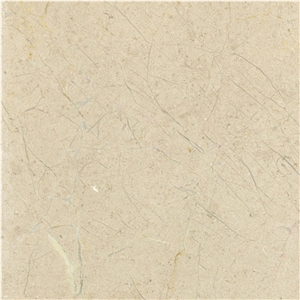
Beirut Beige Marble

Beige - Marble

Egypt

About

Item Details

Material Type:
Marble
Origin:
Egypt (Sinai)
Primary Color(s):
Beige
Recommended Usage:
Kitchen and bathroom countertops, wash basins, building stone, ornamental stone, stairs, interior, exterior wall and floor applications, mosaic, waterjet pattern, wall panels, table tops, balustrades, columns, wall and pool copings, pool pavers, sculptures, fireplaces, window sills
Additional Names:
Beirut Marble, Windsor Beige Marble, New Sinai Bronze Marble, Crystal Bronze Marble, Sinai Bronze Marble, Sinai Beige Marble, in China stone market:贝鲁特米黄(Bèilǔtè mǐhuáng), Beirut Beige Marble
Finished Surface:
Polished,Bush Hammered,Tumbled,Brushed,Honed,Split,Machine Cut,Natural Surface,Sandblasted,Acid Washing,Combed,Leathered,Water Jet,Filled,Chiseled,Pickling

Testing

Water Absorption:
0.25 - 0.35 %
Density:
2710 kg/m³
Flexural Strength:
12 - 15 MPa
Compressive Strength:
90 - 120 MPa
Stone texture:
characterized by a warm beige base tone with subtle variations and occasional light brown or cream highlights that give it a soft, neutral elegance. The surface typically displays gentle linear veining and slight sedimentary textures with fossilized patterns

Description

Beirut Beige Marble is a sophisticated natural stone that is known for its warm beige base tone. This marble is characterized by its subtle variations with occasional light brown or cream highlights, offering a soft and neutral elegance. The surface typically displays gentle linear veining and slight sedimentary textures with fossilized patterns. This marble is quarried in the Sinai region of Egypt, known for its high-quality natural stones.

Physical and Mechanical Properties:

  • Water Absorption: Typically low, around 0.25 - 0.35 %.
  • Density: Approximately 2.71 g/cm³.
  • Flexural Strength: Ranges between 12 - 15 MPa.
  • Compressive Strength: Generally around 90 - 120 MPa.
  • Hardness: Comparable to 3 on the Mohs scale.
  • Porosity: Typically low due to the dense nature of the marble.
  • Slip Resistance: Varies depending on the finish, but polished surfaces are less slip-resistant than honed or textured finishes.

Chemical and Mineral Compositions (% by Weight):

  • Calcium Carbonate (CaCO₃): Predominantly 90% - 95%.
  • Silica (SiO₂): Around 2% - 4%.
  • Alumina (Al₂O₃): Approximately 1% - 2%.
  • Iron Oxides (Fe₂O₃): Less than 1%.
  • Magnesium Carbonate (MgCO₃): Roughly 1% - 3%.
  • Other Minerals: Trace amounts of quartz, feldspar, and other minerals.

Usage:

  • Interior Flooring and Wall Cladding: Ideal for residential and commercial spaces due to its neutral tone.
  • Countertops & Vanities: Suitable for kitchens and bathrooms because of its aesthetic appeal.
  • Staircases and Risers: Popular in both homes and public buildings.
  • Fireplace Surrounds: Adds elegance and warmth to living spaces.

Maintenance:

  • Regular Cleaning: Use mild soap or marble cleaners with a soft cloth.
  • Sealing: Recommended to be sealed periodically to prevent stains and preserve its appearance.
  • Avoid Acidic Substances: Should not come in contact with acidic substances like lemon juice or vinegar.

Available Common Surface Finish Options:

  • Polished:High gloss finish enhances the color and veining.
  • Honed:Smooth with a matte finish, reducing slipperiness.
  • Brushed:Offers a more rustic texture.
  • Sandblasted:Roughened surface for enhanced slip resistance.
  • Tumbled:Gives an aged and antique appearance.

Overall, Beirut Beige Marble is a versatile and timeless material, ideal for various architectural and design applications. Its warmth and elegance make it a top choice for those seeking a blend of luxury and functionality.

FAQ

What is the coefficient of friction of Acid Washed Finish Egypt's Beirut Beige Marble tiles?

The coefficient of friction of Acid Washed Finish Egypts Beirut Beige Marble tiles could vary depending on various factors such as the specific manufacturing process, the roughness of the surface, and the specific testing method used to determine the coefficient of friction. To obtain the accurate coefficient of friction, it is recommended to consult the manufacturer or supplier of the marble tiles as they will have specific information regarding their product. They might be able to provide you with the coefficient of friction for the Acid Washed Finish Egypts Beirut Beige Marble tiles.

Can Egypt's Beirut Beige Marble be used exterior applications in cold climates?

Egypts Beirut Beige Marble can be used for exterior applications in cold climates, but it may require additional measures to ensure its durability and longevity. Marble is a natural stone and can be prone to weathering and deterioration when exposed to extreme cold temperatures or frost conditions. To use Beirut Beige Marble for exterior applications in cold climates, it is recommended to consider the following: 1. Select a high-quality grade of marble: Choose a dense and durable grade of Beirut Beige Marble, as it will have better resistance to freezing and thawing cycles. 2. Proper installation techniques: Ensure that the marble is installed correctly, following industry-standard installation practices. This includes adequate sealing, proper drainage, and appropriate setting techniques. 3. Use of a suitable sealant: Apply a high-quality stone sealer that is suitable for exterior use and provides protection against frost, moisture penetration, and temperature changes. 4. Regular maintenance: Regularly clean the marble surface and reapply the sealant as needed. This will help maintain the marbles appearance and protect it from weathering. 5. Avoid harsh de-icing chemicals: In cold climates, de-icing chemicals are often used on surfaces. However, these chemicals can be damaging to marble. It is important to avoid using harsh de-icing substances that may cause surface deterioration. By following these precautions, Egypts Beirut Beige Marble can be used successfully for exterior applications in cold climates. However, it is always advisable to consult with a professional installer or stone supplier who can provide specific recommendations and guidance based on the projects requirements and location.

Can Egypt's Beirut Beige Marble be used in a bathroom?

Yes, Egypts Beirut Beige Marble can be used in a bathroom. Marble is a popular choice for bathroom countertops, wall claddings, and flooring due to its natural beauty and durability. Beirut Beige Marble is known for its warm tones and subtle veining, which can add an elegant and luxurious touch to any bathroom design. However, it is important to note that marble is a porous material and may require proper sealing and regular maintenance to prevent staining or etching from common bathroom products.

Are there color variations of Egypt's Beirut Beige Marble?

Yes, there are color variations of Egypts Beirut Beige Marble. While the dominant color is beige, it can have variations in tones and patterns. It may exhibit subtle shades of cream, yellow, or even light brown. The veining and movement in the stone can also vary, providing different visual effects. These variations are a natural characteristic of the stone and can make each piece unique.

Can Egypt's Beirut Beige Marble be used outdoors?

While Egypts Beirut Beige Marble is primarily used for indoor applications such as flooring, walls, countertops, and decorative purposes, it is not typically recommended for outdoor use. Marble is a natural stone that is prone to weathering, staining, and chemical damage when exposed to outdoor elements such as rain, sun exposure, and harsh climates. These conditions can lead to discoloration, erosion, and deterioration of the marble over time. If you still wish to use marble for outdoor applications, it is generally recommended to choose a marble variety that is specifically designed for outdoor use, such as certain types of granite or engineered stones that are more durable and resistant to outdoor conditions. Additionally, proper sealing and maintenance should be carried out regularly to protect the marble from damage. Consider consulting with a professional stonemason or supplier for specific recommendations on suitable outdoor materials for your desired project.

Can Egypt's Beirut Beige Marble be used in landscaping?

Yes, Egypts Beirut Beige Marble can be used in landscaping. It is a type of natural stone that is often used for outdoor projects such as paving, patios, walkways, and steps. Its neutral beige color and polished finish make it a versatile choice that can complement a variety of landscaping styles. Additionally, marble is a durable material that can withstand outdoor conditions and requires minimal maintenance over time.

Is Egypt's Beirut Beige Marble an expensive stone?

I do not have access to current market prices of the Cairo-based companys Beirut Beige marble. However, it is safe to say that marble is generally considered an expensive natural stone, and the cost can vary depending on factors such as color, quality, source, availability, and market demand. It is recommended to consult with a reputable supplier or expert in the field for current pricing information.

Products & Prices

View More

Hot Beige Marble

New Marble

Post Your Request

The request includes:
  1. surface finished, size
  2. quantity required