Post Your Needs

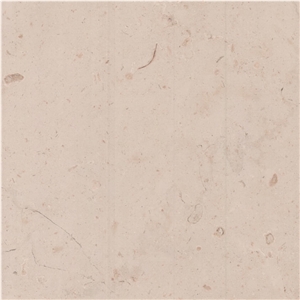
Belair Limestone

Beige - Limestone

Portugal

About

Item Details

Material Type:
Limestone
Origin:
Portugal (Alcobaca, Estremadura)
Primary Color(s):
Beige
Recommended Usage:
Bathroom design, Wall cladding, Countertop, Flooring commercial, Shower, Dimensional stone, Flooring
Additional Names:
Moleanos Belair Limestone, Porto Beige Limestone, Gascogne Beige Limestone, Gascogne Beje Limestone, Gascogne Mix Limestone, Gascoigne Beige Limestone, Vidraco de Molianos Creme Limestone, Moleanos Beige Limestone, Chatel Limestone, Creme de Moleanos Limestone, Moleanos Cream Limestone, Moleanos Creme Limestone, Monta Creme Limestone, Vidraco de Moleanos Creme Limestone, Vidraco de Moleanos Limestone, Roche de Montagne Limestone, Fonjone Limestone, Belair Cream Limestone, Belair Limestone
Finished Surface:
Honed, Aged, Polished, Sawn Cut, Sanded, Rockfaced, Sandblasted, Bushhammered, Tumbled

Testing

Water Absorption:
1.73 By weight %
Density:
2567 kg/m3
Flexural Strength:
10.8 MPa
Compressive Strength:
95.3 - 103.0 MPa

Description

This stone has a lot of good qualities. It suits high traffic areas and guarantees to turn heads years after installation. A good looking stone with excellent coloring that blends into almost any décor. Ideal for stone basins and other dimensional furnishings. Suitable for outdoor use.
Similar To:Porto Beige

FAQ

What is the difference between tumbled and brushed Belair Limestone?

The main difference between tumbled and brushed Belair Limestone lies in the finishing process used to create the texture and appearance of the stone. Tumbled Belair Limestone is processed using a tumbling machine that creates a weathered and aged look by roughening the edges and surface of the stone. This results in a slightly irregular and rustic appearance with a matte finish. Brushed Belair Limestone, on the other hand, is processed using brushes and abrasive tools that create a smooth and uniform texture while enhancing the natural color and veining of the stone. This finishing method typically results in a more refined and contemporary look with a slight sheen. Overall, tumbled limestone has a more rugged and aged appearance, while brushed limestone has a more polished and contemporary look. The choice between the two finishes ultimately comes down to personal preference and the desired aesthetic for the space.

Does tumbled Belair Limestone tile easy stain?

Belair Limestone is a natural stone and like all natural stones, it has some level of porosity which can make it susceptible to staining if not properly sealed and maintained. Tumbled Belair Limestone is more textured compared to honed or polished finishes, which can make it slightly more prone to staining as the pores in the stone may be more open. However, with proper sealing and regular maintenance, tumbled Belair Limestone can be protected from staining. It is important to use a high-quality sealant specifically designed for natural stone and to reseal the tile periodically as recommended by the manufacturer. Additionally, it is important to clean up spills promptly and avoid using harsh cleaning chemicals or abrasive materials that can damage the sealer and make the stone more vulnerable to staining. With proper care and maintenance, tumbled Belair Limestone can be a beautiful and durable flooring option for your home.

Is tumbled Belair Limestone floor slippery?

Tumbled Belair Limestone flooring is not inherently slippery, but any type of natural stone flooring can become slippery when wet or if not properly maintained. It is important to regularly clean and seal the limestone floors to help prevent them from becoming slippery. Adding rugs or mats in high-traffic areas can also help provide traction and reduce the risk of slipping.

Can Belair Limestone be tumbled?

Yes, Belair Limestone can be tumbled to achieve a weathered and textured look. Tumbling is a process that involves placing the limestone in a machine with abrasive materials to wear down the edges and surface, creating a softer and more rustic appearance. Tumbled Belair Limestone can be used for various applications in landscaping and building projects.

What is the best height for a Belair Limestone balustrade?

There is no one-size-fits-all answer to this question as the best height for a Belair Limestone balustrade will depend on various factors such as the overall design of the building, the height of the surrounding area, and local building codes and regulations. However, a common standard height for a balustrade is around 36 inches (91.44 cm) to 42 inches (106.68 cm) tall. It is important to consult with a structural engineer or building professional to determine the best height for your specific project.

Can I cut with a knife on Belair Limestone countertops?

Yes, you can cut on Belair Limestone countertops using a knife. Limestone is a durable and sturdy material that can withstand the use of knives and other sharp objects. However, it is always recommended to use cutting boards to prevent any scratches or damage to the surface of the countertop.

How can I get scratches out of Belair Limestone countertop?

To remove scratches from a Belair Limestone countertop, you can follow these steps: 1. Clean the countertop with a mild soap and water solution to remove any dirt or debris. 2. Sand the scratched area lightly with a fine-grit sandpaper or a diamond polishing pad. Be careful not to apply too much pressure or sand too aggressively, as this can cause further damage to the surface. 3. If the scratch is still visible after sanding, you can try using a limestone scratch repair kit, which typically includes a filler compound and polishing pads. Follow the manufacturers instructions carefully to fill in the scratch and blend it with the surrounding area. 4. Once the scratch has been filled and polished, clean the countertop again with a mild soap and water solution to remove any residue from the repair process. 5. To prevent future scratches, consider using cutting boards or trivets to protect the surface when working with sharp objects or hot pans. If you are unsure about how to repair the scratch yourself, consider contacting a professional stone restoration expert for assistance.

Does Belair Limestone scratch easily?

Belair Limestone is a type of natural stone that is known for its durability. While it is less prone to scratching compared to softer stones like marble, it is not completely scratch-proof. Like any natural stone, Belair Limestone can still be scratched by harder materials or sharp objects. It is important to properly maintain and care for Belair Limestone surfaces to minimize the risk of scratches.

How to get wine stain out of Belair Limestone countertop?

To remove a wine stain from a Belair Limestone countertop, follow these steps: 1. Blot the stain immediately with a clean cloth or paper towel to remove as much of the wine as possible. 2. Mix a small amount of mild dish soap with warm water in a bowl. 3. Dip a clean cloth or sponge into the soapy water and gently scrub the stained area of the countertop. 4. Rinse the cloth or sponge with clean water and continue to scrub the stain until it starts to fade. 5. If the stain persists, you can try using a mixture of baking soda and water to create a paste. Apply the paste to the stain and let it sit for a few minutes before gently scrubbing with a soft sponge. 6. Rinse the area with clean water and dry it thoroughly with a clean towel. 7. If the stain is still visible, you can try using a commercial stone cleaner or a poultice made specifically for limestone countertops. Follow the manufacturers instructions for application and be sure to test the product on a small, inconspicuous area first. Its important to clean spills on limestone countertops as soon as possible to prevent them from staining. Additionally, its a good idea to seal your Belair Limestone countertop regularly to help protect it from staining and make it easier to clean.

Is Belair Limestone good for kitchen countertops?

Belair Limestone is not typically recommended for use as kitchen countertops due to its susceptibility to staining, scratching, and etching. Limestone is a softer, more porous stone, making it more prone to damage from spills, heat, and harsh cleaning agents. It is better suited for use in areas with less traffic and exposure to potential damage, such as bathroom countertops or flooring. For kitchen countertops, it is generally recommended to choose a harder, more durable stone such as granite or quartz.

Products & Prices

Hot Beige Limestone

New Limestone

Post Your Request

The request includes:
  1. surface finished, size
  2. quantity required