Post Your Needs

Belatrix Schist

Schist

Brazil

About

Item Details

Material Type:
Schist
Origin:
Brazil
Recommended Usage:
kitchen and bathroom countertop, wash basins, building stone, ornamental stone, stairs, interior wall and floor applications, mosaic, water-jet pattern, wall panels, table tops, balustrades, columns, fireplaces, luxury furniture
Additional Names:
Xisto Belatrix, Belatrix Granite, Belatrix Quartzite
Finished Surface:
Polished,Bush Hammered,Tumbled,Brushed,Honed,Split,Machine Cut,Natural Surface,Sandblasted,Acid Washing,Combed,Leathered,Water Jet,Chiseled,Pickling

Testing

Water Absorption:
0.26 %
Density:
2771 kg/m³
Flexural Strength:
15.54 MPa
Compressive Strength:
133.2 MPa

Description

Belatrix Schist is a premium exotic Brazilian natural stone composed of a rare fusion of schist, quartz, muscovite, and biotite minerals. Quarried in Brazil, this stone is known for its dramatic, high-contrast aesthetic and strong structural performance, making it suitable for both luxury architectural and high-end commercial applications.

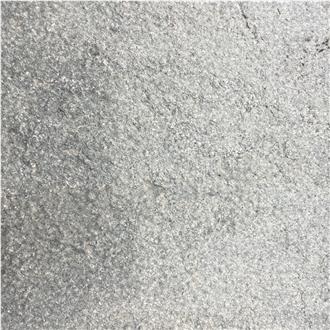
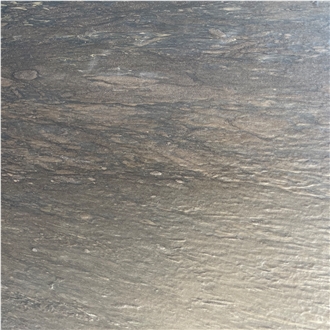
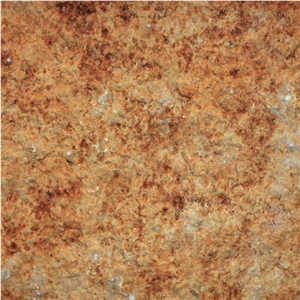
It features a deep anthracite-black base enriched with bold sweeping veins in white, silver, and gold tones. The flattened orientation of mica minerals creates a natural reflective shimmer, giving the surface a luminous effect under direct light.

Color & Appearance

Belatrix Schist displays a powerful dark charcoal to black background with striking mineral movement. The presence of quartz and mica produces shimmering highlights, while golden and white vein structures create dynamic visual contrast and depth.

Texture & Structure

This stone has a foliated metamorphic structure typical of schist, with fine to medium grain. The alignment of mica (biotite and muscovite) creates a layered texture and natural sheen. Quartz-rich zones provide hardness and structural integrity.

Pattern

  • Bold high-contrast veining (white, gold, silver)
  • Directional mineral flow
  • Reflective mica shimmer under light
  • Layered schist foliation texture
  • Non-uniform, dramatic natural movement

Petrographic Classification: Schist / Quartz Metamorphic Stone

Physical & Mechanical Test Results (ABNT Standards)

  • ABNT NBR 12766...Water Absorption: 0.26%
  • ABNT NBR 12766...Apparent Dry Density: 2771 kg/m³
  • ABNT NBR 12767...Compressive Strength: 133.2 MPa
  • ABNT NBR 12763...Flexural Strength: 15.54 MPa
  • — ... Abrasion Resistance: 0.044 cm²/cm³

Mineral Composition (% by Weight)

  • Quartz: 55%
  • Biotite: 30%
  • Kyanite: 5–10%
  • Opaque minerals (sulfides): 5–10%
  • Muscovite: <5%

Chemical & Physical Characteristics

  • High quartz content ensures excellent hardness and durability
  • Mica-rich structure provides natural reflective surface
  • Strong metamorphic foliation enhances aesthetic movement
  • Dense crystalline structure with low porosity

Applications

Interior Use

  • Luxury flooring
  • Feature walls
  • Hotel lobbies
  • Reception areas
  • Fireplace cladding
  • Decorative panels
  • Staircase cladding

Exterior Use

  • Facades
  • Ventilated cladding systems
  • Monumental architecture
  • Commercial building envelopes
  • Landscaping feature walls

Surface Finish Options

  • Polished (high reflectivity, dramatic mica shine)
  • Honed (matte, elegant finish)
  • Leathered (textured luxury finish)
  • Brushed (natural rustic feel)
  • Flamed (anti-slip outdoor use)
  • Sandblasted (soft textured surface)
  • Split face (natural raw schist look)

Maintenance

  • Clean with pH-neutral stone cleaners
  • Avoid acidic or abrasive chemicals
  • Seal recommended for exterior and high-use areas
  • Regular cleaning enhances mica reflectivity
  • Suitable for long-term architectural durability

Belatrix Schist is a visually powerful and technically strong natural stone, combining the depth of dark schist with shimmering quartz and mica elements, making it ideal for signature luxury architectural statements.

FAQ

Is 3/4 thick enough for a Belatrix Schist commercial countertop?

When considering the thickness of a countertop, especially for a commercial setting, there are several factors to take into account. The choice of thickness will influence the countertops durability, appearance, and support requirements. For a material like Belatrix Schist, which is a type of natural stone, a thickness of 3/4 inch (approximately 2 centimeters) is often considered on the thinner side for commercial use. While 3/4 inch can be sufficient, especially if properly supported and reinforced, thicker slabs, such as 1 1/4 inches (about 3 centimeters), are commonly preferred for several reasons: 1. **Durability and Strength**: Thicker countertops are generally more durable and less prone to cracking or breaking, especially in high-traffic commercial environments. 2. **Luxury and Aesthetic Appeal**: Thicker countertops often convey a sense of luxury and solidity, which can be important in commercial spaces like restaurants or hotels. 3. **Support and Installation**: Thinner slabs may require additional support underneath, which could complicate installation and potentially increase costs. 4. **Edge Design Options**: Thicker slabs provide more options for intricate edge designs, which can enhance the overall aesthetic appeal. In summary, while a 3/4 inch thickness may work for some applications, you need to consider the intended use and the additional structural support that might be necessary. Consulting with a professional stone fabricator or architect who is familiar with commercial installations would be a good next step to ensure that the countertop will meet the necessary functional and aesthetic requirements.

What is the standard thickness of Belatrix Schist stair steps and risers?

The standard thickness for Belatrix Schist stair steps and risers can vary based on architectural design, structural requirements, and regional building codes. However, a general guideline for stone stairs, including schist, is as follows: - **Treads** (the horizontal part of the step): Typically, these can range from 1 1/4 inches (about 3 cm) to 2 inches (about 5 cm) in thickness. The thickness may be greater in high-traffic areas or for exterior applications to ensure durability. - **Risers** (the vertical part): These are usually less thick than the treads, commonly around 3/4 inch (about 2 cm) to 1 inch (about 2.5 cm). Its important to consult with a structural engineer or a stone supplier to determine the appropriate thickness for your specific project, as these can be influenced by the particular type of schist, the intended load, and local building regulations.

How to sanitize Belatrix Schist kitchen countertops?

Belatrix Schist is a type of natural stone that can be used for kitchen countertops. To properly sanitize and care for this type of countertop, follow these steps: 1. **Regular Cleaning**: - Use a soft cloth or sponge with warm water and a light, pH-neutral dish soap for everyday cleaning. - Avoid abrasive cleaners or pads, as they can scratch the stone. 2. **Sanitizing**: - Prepare a sanitizing solution by mixing equal parts of water and isopropyl alcohol (70%). - Apply the solution using a spray bottle, lightly misting the surface. - Allow it to sit for a few minutes, then wipe it down with a clean, dry cloth. 3. **Stain Removal**: - For tougher stains, create a paste with baking soda and water. - Apply the paste to the stain and cover it with plastic wrap, allowing it to sit overnight. - Rinse the area with water and wipe dry. 4. **Sealing**: - Natural stone countertops should be sealed periodically to prevent staining and absorption. - Check the countertop’s seal by sprinkling a few drops of water on the surface. If the water doesn’t bead up, it’s time to reseal. - Use a high-quality stone sealer as per manufacturer’s instructions. 5. **Avoiding Damage**: - Immediately clean up spills, especially those containing acidic substances like vinegar, wine, citrus juices, and coffee, as they can etch the stone’s surface. - Use coasters under glasses and trivets or mats under hot cookware to protect the surface. 6. **Regular Maintenance**: - Dust the countertop regularly to prevent grit and debris from accumulating. - Consider using a specialized stone cleaner for a more thorough clean, as needed. Remember to always follow the manufacturers care instructions, as some specific recommendations may vary depending on the type of sealant used on the stone.

Can I use granite cleaner on Belatrix Schist floor tiles?

Belatrix Schist is a type of natural stone, so its important to be cautious about the cleaners you use to maintain its appearance and durability. Granite cleaners are typically formulated to be gentle on natural stones, so they might be safe for use on schist as well. However, its essential to verify that the cleaner is pH-neutral and doesnt contain acidic or abrasive ingredients that could harm the stones surface. Before applying the cleaner to the entire floor, conduct a patch test in an inconspicuous area to ensure it doesnt cause any discoloration or damage. Alternatively, you could use a cleaner specifically designed for natural stone or consult with the tile manufacturer for their recommended cleaning products. Keeping the stone properly sealed will also help protect it from damage during cleaning.

Can I use Clorox wipes on Belatrix Schist kitchen countertop cleaning?

When it comes to cleaning kitchen countertops, especially those made from specific stones like Belatrix Schist, its important to be cautious with cleaning products. Clorox wipes, which contain bleach and other chemicals, can potentially harm natural stone by breaking down its sealant or causing discoloration. To clean a Belatrix Schist countertop safely, consider these tips: 1. **Use pH-Neutral Cleaners:** Opt for a gentle, pH-neutral cleaner specifically designed for natural stone. This helps maintain the integrity of the stone surface. 2. **Warm Water and Mild Soap:** A mixture of warm water and mild dish soap can be effective for regular cleaning. Use a soft cloth or sponge to apply and wipe down the surface. 3. **Avoid Abrasive Tools:** Do not use abrasive sponges or scrubbers, as they can scratch the surface of the stone. 4. **Quick Clean Up:** Clean spills immediately to prevent staining, especially with acidic substances like lemon juice, vinegar, or wine. 5. **Regular Sealing:** Ensure that the countertop is properly sealed and re-sealed periodically according to the manufacturers recommendations to protect it from damage. Before using any product on your countertop, you might want to test it on a small, inconspicuous area first or consult the countertop manufacturer or installer for specific care recommendations.

If I use 1.2 cm thick Belatrix Schist as a table top, will it be strong enough? Will it break easily?

When considering the use of 1.2 cm thick Belatrix Schist as a tabletop, several factors need to be evaluated to determine its suitability and strength. 1. **Material Properties**: - **Schist Characteristics**: Schist is a type of metamorphic rock known for its foliated texture. Its strength can vary based on its mineral composition and the degree of foliation. Foliated rocks might have planes of weakness, potentially impacting durability. - **Belatrix Schist Specifics**: Without specific knowledge of a Belatrix Schist, general assessments of schist apply. Typically, schists are less strong than granites or quartzites due to their layered structure. 2. **Thickness**: - At 1.2 cm (approximately 0.47 inches), the thickness is relatively minimal for a stone tabletop. Thicker slabs are generally stronger and more resistant to breakage. - For comparison, many stone countertops are usually at least 2-3 cm thick. 3. **Load-Bearing Capacity**: - The ability to bear weight without breaking also depends on how it is supported. Adequate support underneath can prevent stress on the schist. Without sufficient support, thinner stone can crack under concentrated weight or impact. 4. **Potential Risks**: - **Potential for Cracking**: Given its relatively thin profile, there is an increased risk of cracking, especially if subjected to high impact, uneven weight distribution, or lack of proper support. - **Environmental Factors**: Exposure to moisture, heat, or freeze-thaw cycles can affect its durability, especially as schist can be more susceptible to environmental wear compared to denser stones. 5. **Recommendations**: - **Support and Design**: Ensure the tabletop is supported adequately, minimizing unsupported spans. - **Use and Environment**: Consider the intended use. If its for light, decorative purposes with minimal heavy use, it may suffice. For heavy-duty usage, thicker or more robust materials might be necessary. - **Consult a Professional**: Consulting with a stone fabricator or structural engineer can provide specific insights and recommendations based on the exact type of schist and its intended use. Overall, while a 1.2 cm thick schist slab could potentially be used as a tabletop, especially with careful support and light use, it may not be the most durable choice for high-traffic or high-load applications.

Products & Prices

Hot Schist

New Schist

Post Your Request

The request includes:
  1. surface finished, size
  2. quantity required