Post Your Needs

Matrix Schist

Schist

Brazil

About

Item Details

Material Type:
Schist
Origin:
Brazil
Recommended Usage:
kitchen and bathroom countertop, wash basins, building stone, ornamental stone, stairs, interior wall and floor applications, mosaic, water-jet pattern, wall panels, table tops, balustrades, columns, fireplaces, luxury furniture
Additional Names:
Matrix Granite, Matrix Gneiss, Black Graphite Schist, Versace Black Schist, Black Metal Schist, Matrix 3D Schist
Finished Surface:
Polished,Flamed,Bush Hammered,Tumbled,Brushed,Honed,Split,Machine Cut,Natural Surface,Sandblasted,Acid Washing,Combed,Leathered,Water Jet,Chiseled,Pickling

Testing

Water Absorption:
0.15% – 0.35%
Density:
2680 – 2750 kg/m³
Flexural Strength:
13 – 15 MPa
Compressive Strength:
145 – 155 MPa

Description

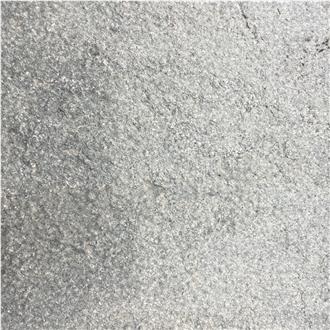
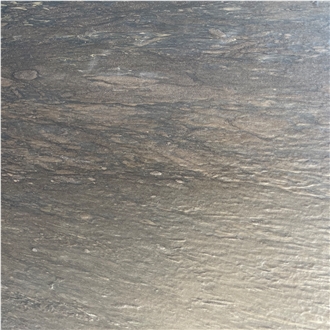
Matrix Schist is a dramatic Brazilian natural stone featuring a deep dark gray to near-black background with bold, flowing silver and white veins that create strong visual movement across the surface. Although commonly marketed in the trade as granite, it is geologically classified as a biotite-rich gneiss/schist, formed through high-grade metamorphism. Its striking contrast, crystalline structure, and natural banding make it a premium decorative stone for architectural applications.

Petrographic Analysis

  • Quartz (45%)
  • Biotite (27%)
  • Muscovite (10%)
  • Chlorite (8%)
  • Cordierite (5%)
  • Opaque Minerals (5%)

Color, Texture & Pattern

Matrix Schist has a dark graphite to black base color with a medium-to-coarse crystalline texture. The stone is defined by sweeping white and silver quartz-rich veins that move dynamically across the surface, creating a dramatic layered effect. Its foliated metamorphic structure gives each slab a unique directional pattern and natural depth, with strong contrast between dark minerals and light quartz bands.

Chemical Composition (% by weight)

  • SiO₂ (Silica): 60–70%
  • Al₂O₃ (Alumina): 12–16%
  • Fe-bearing compounds: 6–10%
  • K₂O: 2–5%
  • Na₂O: 2–4%
  • MgO + CaO: 2–6%
  • Trace elements: <2%

Technical Properties

  • Apparent Density: 2,680 – 2,750 kg/m³
  • Water Absorption: 0.15% – 0.35%
  • Compressive Strength: 145 – 155 MPa
  • Flexural Strength: 13 – 15 MPa
  • Abrasion Resistance: High
  • Impact Resistance: High
  • Frost Resistance: Excellent
  • Mohs Hardness: 6 – 7

Applications

  • Interior flooring and wall cladding
  • Luxury hotel and commercial interiors
  • Feature walls and reception areas
  • Bathroom surfaces
  • Exterior façades (flamed or textured finishes)
  • Landscape and architectural elements

Maintenance

  • Clean with pH-neutral cleaners
  • Avoid acidic or abrasive products
  • Seal periodically depending on finish
  • Use protective pads in interior applications
  • Ensure proper drainage for exterior use

Matrix Schist combines the strength of a high-grade metamorphic stone with a visually striking natural pattern, making it a premium material for high-end architectural design.

FAQ

Why do Brazilian Matrix Schist and European schist stones look different?

The differences in appearance between Brazilian Matrix Schist and European schist stones can be attributed to several factors, including mineral composition, geological formation processes, and regional environmental conditions: 1. **Mineral Composition**: Schist is a metamorphic rock that predominantly consists of various platy minerals such as mica (muscovite, biotite), chlorite, talc, or graphite. The specific mineral composition of schist can vary significantly depending on the parent rock and the particular conditions it was subjected to during metamorphism. Brazilian Matrix Schist might have a different mixture of these minerals compared to European schist, leading to variations in color, texture, and sheen. 2. **Geological Formation and Conditions**: The geological history and the specific formation conditions, such as temperature, pressure, and tectonic forces, differ between regions. These factors influence the intensity of metamorphic processes and the alignment and recrystallization of minerals within the rock, contributing to differences in physical appearance. 3. **Regional Environmental Influences**: The surrounding environmental conditions and additional processes such as weathering can impact the surface characteristics of the schist. Brazilian Matrix Schist may experience different weathering patterns and chemical conditions compared to its European counterparts, resulting in differences in surface texture and color. 4. **Impurities and Inclusions**: The presence of additional minerals or impurities, such as quartz, feldspar, or garnet, can alter the appearance of the schist. Different geological settings may lead to the incorporation of various other minerals, creating distinct visual characteristics. 5. **Local Quarrying Techniques**: The methods used in quarrying and processing the stone can also affect its final appearance. Different techniques may lead to variations in cut, finish, and overall presentation of the stone. These factors combined contribute to the distinct visual differences observed between Brazilian Matrix Schist and European schist stones, making each unique in its own right.

How can I remove rust stains from a Matrix Schist kitchen countertop?

Removing rust stains from a Matrix Schist kitchen countertop, which is a type of natural stone, requires some care to avoid damaging the surface. Here are some steps you can follow: 1. **Identify the Stain**: First, confirm that the stain is indeed rust. Rust stains are usually reddish-brown and can sometimes transfer from metal objects that have come into contact with the countertop. 2. **Gather Supplies**: - Baking soda or poultice powder - Hydrogen peroxide (for light stains) - A plastic scraper or soft cloth - Water - A pH-neutral stone cleaner - Plastic wrap - Painter’s tape 3. **Clean the Surface**: Use a pH-neutral stone cleaner to clean the countertop. This removes any surface dirt and grease. Wipe with a soft cloth and allow it to dry. 4. **Prepare a Poultice**: - Mix baking soda with hydrogen peroxide to create a paste. It should be the consistency of peanut butter. Use hydrogen peroxide for light stains; avoid acidic or harsh chemicals that could etch or damage the stone. - For more difficult stains, you might need to use a commercial stone poultice specific for rust removal. Always follow the manufacturers instructions. 5. **Apply the Poultice**: - Spread the paste over the rust stain, covering it completely. - Lay plastic wrap over the paste and seal the edges with painter’s tape to keep it from drying out too quickly. - Let the poultice sit for 24 to 48 hours. This allows it to draw out the rust stain from the stone. 6. **Remove the Poultice**: - Carefully peel off the plastic wrap. - Use a plastic scraper or soft cloth to gently remove the dried paste. - Rinse the area with water and dry it with a soft towel. 7. **Check the Stain**: If the rust stain is still visible, you may need to repeat the process. Sometimes several applications are necessary, especially for older or deeper stains. 8. **Prevent Future Stains**: To prevent further staining, consider applying a stone sealer to the countertop. Follow the manufacturer’s instructions for application and reapply as recommended to maintain protection. Note: Always test any cleaning method on a small, inconspicuous area of the countertop first to ensure it doesn’t damage or discolor the stone. If youre unsure or uncomfortable doing it yourself, consider consulting a professional who specializes in stone care.

Can I mix cleaning vinegar and Dawn dish soap together to clean a Matrix Schist countertop?

Its important to be cautious when mixing cleaning products, even common household items like vinegar and dish soap, especially on surfaces like a Matrix Schist countertop. Matrix Schist is a type of metamorphic rock that can be sensitive to acids and harsh chemicals. 1. **Vinegar**: Vinegar is acidic and might etch or dull the surface of natural stone, including schist, over time. This could potentially cause damage or alter the appearance of your countertop. 2. **Dawn Dish Soap**: Dish soap is generally safe for many surfaces and is effective at removing grease and grime. If you decide to mix these two for cleaning: - **Testing First**: Its crucial to test the mixture on a small, inconspicuous area of the countertop before applying it more broadly, to ensure that it doesn’t cause any adverse effects. - **Dilution**: Consider diluting the vinegar with water first (e.g., a 50/50 mix of vinegar and water), then add a small amount of dish soap. This reduces the concentration of the acid. - **Alternatives**: For safe cleaning, you might want to use a pH-neutral stone cleaner specifically formulated for natural stone surfaces. This helps maintain the integrity and longevity of your countertop. - **Frequency**: Limit the use of acidic cleaners to avoid potential long-term damage. - **Rinsing**: Always rinse the surface thoroughly with water after cleaning to ensure no residue remains. Its always good to consult the manufacturers guidelines or seek advice from a professional when cleaning specific countertop materials.

Can the surface of Matrix Schist be finished with a glossy polish?

Matrix schist, like other types of metamorphic rock, typically has a foliated structure, meaning it has a layered appearance. The surface of schist can be finished with a polish, but achieving a glossy finish might be challenging due to its inherent graininess and tendency to flake along its layers. Polishing schist generally results in a subtle sheen rather than a high gloss finish, mainly because the differing hardness of the minerals within the schist can create an uneven polish. Additionally, its foliation can lead to a texture that doesnt fully take on a glass-like finish. If a glossy finish is desired for aesthetic purposes, it may be more practical to apply a clear sealant or resin over the polished surface to enhance glossiness. However, this will alter the natural appearance and feel of the stone. For applications requiring a highly polished finish, other stones like granite or marble, which take a high polish more uniformly, might be preferred.

Is Matrix Schist heat resistant? Is it suitable for use in fireplaces?

Matrix Schist, like other schist rocks, is a metamorphic rock that was formed under heat and pressure, giving it a degree of heat resistance. However, while it has been exposed to high temperatures during its formation, this does not necessarily mean it is suitable for use in fireplaces or as a direct fire-contact surface. In fireplaces, materials used must have high thermal stability and resistance to thermal shock to ensure safety and durability. Commonly used materials include firebrick, refractory mortar, and specific types of stone like soapstone or certain granites that can withstand frequent high temperatures. While schist can resist some heat due to its metamorphic nature, its suitability for use in fireplaces largely depends on the specific type and quality of the schist. Some schists have a flaky structure and might not perform well under direct exposure to flames or repeated heating and cooling cycles. Additionally, schist can potentially break down or crumble under intense heat. Therefore, before using Matrix Schist or any schist in a fireplace, it is crucial to consult with a professional to evaluate its suitability. They can provide guidance on whether it can be used safely or if a more heat-resistant material would be more appropriate for your needs.

Does Matrix Schist contain any harmful radioactivity or chemicals when used as a kitchen countertop?

Matrix schist, like many natural stone materials, can potentially contain trace amounts of naturally occurring radioactive elements such as uranium, thorium, and potassium-40. However, the levels of radioactivity in most schist that might be used for countertops are generally low and not considered harmful in the context of typical kitchen use. As for chemicals, schist is a metamorphic rock composed primarily of minerals like mica, quartz, and feldspar. These are generally inert and do not release harmful chemicals under normal conditions. That being said, ensuring that the schist is properly sealed and maintained is important to prevent any potential absorption of stains or bacteria. It is always a good idea to source your materials from reputable suppliers who can provide information on the specific composition and safety standards of their products. Additionally, if there are concerns about radioactivity, testing can be performed to ensure levels are within safe limits for indoor use.

Products & Prices

Hot Schist

New Schist

Post Your Request

The request includes:
  1. surface finished, size
  2. quantity required