Post Your Needs

Pannonia Green Schist

Green - Schist

Austria

About

Item Details

Material Type:
Schist
Origin:
Austria (Geschriebenstein, Rechnitz, Burgenland)
Primary Color(s):
Green
Recommended Usage:
Countertop, monuments, roofing tiles, building stone, ornamental stone, stairs, interior, exterior wall and floor applications, mosaic, waterjet pattern, wall panels, window sills, flagstones, wall and pool copings, pool pavers, fireplaces, pavers
Additional Names:
Royal Green Slate, Pannonia Gruenschiefer, Pannonia Grun Slate, Pannonia Green Quartzite, Pannonia Gruen Schist, Geschriebenstein Stone, Pannonia Gruen Schist, Pannonia Green Gneiss, Pannonia Green Slate
Finished Surface:
Polished,Flamed,Bush Hammered,Tumbled,Brushed,Honed,Split,Machine Cut,Natural Surface,Sandblasted,Acid Washing,Combed,Leathered,Water Jet,Filled,Chiseled,Pickling

Testing

Water Absorption:
0.34 %
Density:
2930 kg/m3
Flexural Strength:
19.9 MPa
Compressive Strength:
94.8 MPa

Description

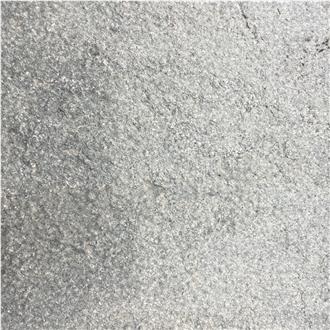
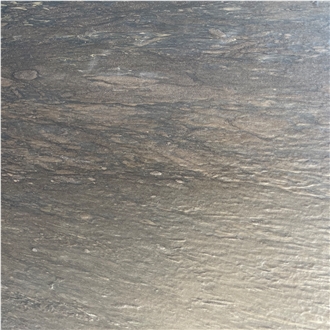
Pannonia Green Schist is a striking, high-quality natural stone distinguished by its rich dark green background accented with light jade green and white grains that gracefully weave across the surface. The interplay of colors creates a visually textured, dynamic pattern, enhancing its sense of depth and vibrancy. Quarried in Rechnitz, a historic town in southern Burgenland, Austria, near the Geschriebenstein Mountain, Pannonia Green is sometimes marketed as a slate due to its fine foliation. However, its true geological classification is chlorite schist, a metamorphic rock characterized by the presence of aligned platy minerals.

Texture and Pattern:

Texture: Fine- to medium-grained, moderately foliated

Pattern: Flowing, soft veining with light green and white mineral grains distributed across a deep green matrix

Finish: Naturally split layers, slightly rough exfoliated surfaces, or sawn surfaces, with options for polishing or brushing for enhanced applications

Technical Properties:

  • Water Absorption: 0.34 %
  • Density: 2,930 kg/m³
  • Flexural Strength: 19.9 MPa
  • Compressive Strength: 94.8 MPa
  • Hardness (Mohs Scale): Approximately 5.5–6 (typical for chlorite schists)

Chemical and Mineral Composition (% by weight):

  • Chlorite (clinochlore dominant): 45–55%
  • Quartz: 20–25%
  • Plagioclase Feldspar: 10–15%
  • Muscovite/Sericite: 5–8%
  • Accessory minerals (magnetite, epidote, titanite): ~2–3%

Chemical Analysis (Approximate):

  • SiO2 (Silicon Dioxide): 45–50%
  • Al2O3 (Aluminum Oxide): 12–16%
  • Fe2O3 (Iron Oxide): 8–12%
  • MgO (Magnesium Oxide): 5–8%
  • CaO (Calcium Oxide): 2–4%
  • Na2O + K2O (Sodium and Potassium Oxides): 2–3%

Cutting Sizes (Standard Production):

Tiles:

  • 30 × 60 cm (12" × 24")
  • 40 × 40 cm (16" × 16")
  • 60 × 60 cm (24" × 24")
  • 40 × 80 cm (16" × 32")
  • Custom sizes on request

Slabs:

  • Typical thicknesses: 2 cm (3/4"), 3 cm (1 1/4")
  • Large formats possible depending on block quality

Surface Finishes Available:

  • Natural split (cleft)
  • Honed (smooth, matte)
  • Brushed (antique finish)
  • Polished (brings out deeper colors)
  • Flamed (for slip resistance, especially outdoor use)
  • Sandblasted

Usage Applications:

Interior:

  • Flooring
  • Wall cladding
  • Bathroom vanities
  • Kitchen countertops (with proper sealing)
  • Staircases

Exterior:

  • Facade cladding
  • Outdoor paving
  • Landscaping elements
  • Pool surrounds
  • Pannonia Green Schist’s low water absorption and high compressive strength make it highly suitable for freeze-thaw climates and heavy-duty flooring applications.

Maintenance:

Regular cleaning with pH-neutral stone cleaners

Periodic sealing recommended (especially for polished and honed surfaces) to protect from staining

Avoid acidic cleaners which may etch the surface Occasional re-brushing or re-honing can refresh heavily used areas

Summary:

Pannonia Green Schist blends vibrant aesthetics with robust mechanical properties, offering durability and elegance in both modern and traditional architecture. Whether used indoors or outdoors, it brings a distinctive natural beauty that stands the test of time.

FAQ

Can Austria's Pannonia Gruen Granite be used in landscaping?

Yes, Austrias Pannonia Gruen Granite can be used in landscaping. It is a durable and versatile natural stone that can be used for a variety of landscaping purposes. Common uses include paving, pathways, retaining walls, stairs, decorative elements, and outdoor furniture. Its subtle green color and unique pattern can add an aesthetic appeal to any landscaping project.

What is the coefficient of friction of Water Jet Cut Austria's Pannonia Gruen Granite tiles?

The coefficient of friction of Water Jet Cut Austrias Pannonia Gruen Granite tiles will depend on various factors such as the surface finish of the tiles, the presence of any sealants or coatings, and the type of surface the tiles are being compared to. Generally, granite tiles have a high coefficient of friction, which means they offer good resistance to slip. However, without specific information about the specific finish and treatment of Water Jet Cut Austrias Pannonia Gruen Granite tiles, it is not possible to provide an accurate coefficient of friction. It is recommended to consult the manufacturer or supplier of the tiles for this specific information.

Can Austria's Pannonia Gruen Granite be used exterior applications in very sunny climates?

Yes, Austrias Pannonia Gruen Granite can be used for exterior applications in very sunny climates. Granite is known for its durability and resistance to weathering, which makes it suitable for outdoor use. Additionally, this particular granite has a green color, which can help reflect sunlight rather than absorb it, making it more suitable for sunny climates. However, it is always recommended to consult with a professional or supplier to ensure the specific granites suitability for your particular project and location.

How thick is Austria's Pannonia Gruen Granite slabs?

The thickness of Austrias Pannonia Gruen Granite slabs can vary depending on the specific cuts and manufacturing processes. However, standard slabs are typically available in thicknesses of 2 centimeters (approximately 0.79 inches) or 3 centimeters (approximately 1.18 inches).

Can Austria's Pannonia Gruen Granite be used in a office?

Yes, Austrias Pannonia Gruen Granite can be used in an office. Granite is a durable and long-lasting natural stone that is often used for countertops and flooring in commercial spaces, including offices. Pannonia Gruen Granite, specifically, features a greenish-gray color with specks of white and black, making it a versatile and aesthetically pleasing option for office interiors. Its durability makes it resistant to scratches and heat, making it suitable for high-traffic areas. Additionally, granite is relatively low-maintenance, requiring regular sealing to prevent stains and to maintain its shine.

Can Austria's Pannonia Gruen Granite be used outdoors?

Yes, Austrias Pannonia Gruen Granite can be used outdoors. Granite is a highly durable and weather-resistant natural stone, making it an ideal choice for outdoor applications such as paving, steps, wall cladding, and even outdoor furniture. The Pannonia Gruen Granite, specifically, is known for its greenish-gray color with fine speckles, providing an aesthetic appeal to outdoor spaces. It is typically used in both residential and commercial projects due to its strength and ability to withstand various weather conditions.

Are there color variations of Austria's Pannonia Gruen Granite?

There is limited information available online about the existence of color variations for Austrias Pannonia Gruen Granite. It appears that the granite is largely consistent in color, with a medium to dark green background color and subtle variations in shade and veining. It is possible that there may be slight differences in color from quarry to quarry or based on the specific slab or block of granite, but without more detailed information it is unclear if there are significant color variations.

Is Austria's Pannonia Gruen Granite an expensive stone?

I do not have access to real-time market prices for specific types of materials. However, granite is generally a premium stone due to its durability, hardness, and aesthetic appeal. The price of Pannonia Gruen granite may vary depending on factors such as quality, availability, and location. Its best to consult with a local stone vendor or contractor to get an accurate price estimate for this particular type of granite.

Customer reviews

Customer reviews

Write a Review
Bjö**** Sweden

Why do you call it a slate? I wonder what the proper geological description is? I think it is gneiss or schist? I think it would be beneficial for you to use the proper geological denomination. Kind regards! Björn

Helpful (0) 0Reply
Sou**** Spain

Hello, We are a Spanish terrazzo manufacturing company "Mosaic Factory" and we are interested in starting to use "Pannonia green marble" for the design of our tiles and we have some questions regarding "Pannonia Gruen": Is it true that Panonia Gruen does not contain asbestos? Can we obtain a certification that proves it? Many of our clients ask us to use stones that do not contain asbestos. Best regards,

Helpful (0) 0Reply

Products & Prices

Hot Green Schist

New Schist

Post Your Request

The request includes:
  1. surface finished, size
  2. quantity required