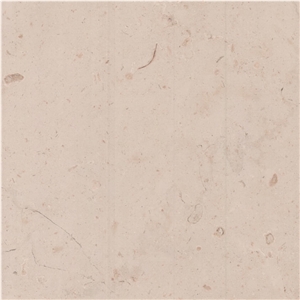
Blanco Rosal Limestone

About
Item Details
- Material Type:
- Limestone
- Origin:
Portugal (Arrimal, Porto de Mos, Leiria) - Primary Color(s):
- Beige
- Recommended Usage:
- Kitchen and bathroom countertops, wash basins, building stone, ornamental stone, stairs, interior, exterior wall and floor applications, mosaic, waterjet pattern, wall panels, table tops, balustrades, columns, wall and pool copings, pool pavers, sculptures, fireplaces
- Additional Names:
- Caliza Blanco Rosal, Rosal Limestone, Blanco Rosal, Blanco Rosal Limestone
- Finished Surface:
- Polished,Bush Hammered,Tumbled,Brushed,Honed,Split,Machine Cut,Natural Surface,Sandblasted,Combed,Leathered,Water Jet,Filled,Chiseled,Pickling
Testing
- Water Absorption:
- 1% - 2%
- Density:
- 2580 - 2600 kg/m³
- Flexural Strength:
- 9 - 12 MPa
- Compressive Strength:
- 75 - 95 MPa
- Stone texture:
- light creamy white limestone with soft earthy gray tones and a slight presence of fossils
Description
Blanco Rosal Limestone is a distinctive natural stone quarried in the region of Arrimal, Porto de Mós, Leiria, in Portugal. It is characterized by its light creamy white color accented with soft earthy gray tones and occasional fossil markings. This limestone features a classic and elegant appearance ideal for various architectural applications.
Colors
- Primary Color: Light Creamy White
- Accent Tones: Soft Earthy Gray
- Presence: Occasional Fossils
Physical and Mechanical Properties
- Water Absorption: Approximately 1% - 2%
- Density: Around 2,580 - 2,600 kg/m³
- Flexural Strength: Approximately 9 - 12 MPa
- Compressive Strength: Typically 75 - 95 MPa
- Hardness: Moderate, with a Mohs scale rating of around 3 - 4
- Porosity: Low to medium, generally about 3% - 7%
- Slip Resistance: Moderate; surface treatments can enhance resistance
Chemical and Mineral Composition (% by weight, typical values)
- Calcium Carbonate (CaCO3): 92% - 95%
- Magnesium Carbonate (MgCO3): 2% - 3%
- Silica (SiO2): 1% - 2%
- Alumina (Al2O3): Less than 1%
- Iron Oxide (Fe2O3): Less than 1%
- Other Minerals and Impurities: Small traces
Detailed Usage
- Applications: Flooring, wall cladding, countertops, bathrooms, stairs, fireplaces, exterior facades
- Design Aesthetic: Suited for both traditional and contemporary designs
- Preferred Environments: Interior and exterior applications, though sealing is recommended for outdoor use
Maintenance
- Cleaning: Regular cleaning with pH-neutral stone cleaners
- Sealing: Recommended to enhance durability and stain resistance, especially in high-moisture areas
- Care: Avoid acidic or abrasive cleaners to prevent etching or scratching
Cutting Sizes (Common cm dimensions)
- Tiles: 30x30, 30x60, 40x40, 60x60
- Slabs: Custom orders, typically up to 2cm or 3cm thickness
- Custom Sizes: Available upon request for specific architectural requirements
Surface Finishing Options
- Polished: High gloss finish that enhances the stone's color and texture
- Honed: Smooth, matte finish offering a more subtle appearance
- Brushed/Antiqued: Textured finish providing a rustic or aged look
- Bush-Hammered: Coarse, textured surface for increased slip resistance
- Sandblasted: Lightly textured surface for a less reflective finish
Blanco Rosal Limestone offers versatile applications with classic elegance, making it a preferred choice for architects and designers. Proper maintenance and surface treatment ensure its durability and timeless aesthetic.
FAQ
Yes, Portugals Blanco Rosal Limestone can be used in a kitchen. Limestone is a popular choice for kitchen countertops and flooring due to its durability, natural beauty, and heat resistance. However, it is important to note that limestone is a porous material and can be susceptible to staining and etching from acidic substances. Proper sealing and regular maintenance is recommended to protect and preserve the limestone in a kitchen setting.
Can Portugal's Blanco Rosal Limestone be used in floor coverings?
Yes, Portugals Blanco Rosal Limestone can definitely be used as a floor covering. Limestone is a popular choice for flooring due to its durability, natural beauty, and versatility. Blanco Rosal Limestone is particularly known for its light, creamy color and subtle veining, making it an attractive option for both residential and commercial applications. Whether used in interior spaces like kitchens, bathrooms, or living areas, or in exterior areas such as patio or pool surrounds, Blanco Rosal Limestone can create a timeless and elegant flooring option.
Can Portugal's Blanco Rosal Limestone be used exterior applications in very humid climates?
Yes, Portugals Blanco Rosal Limestone can be used in exterior applications in very humid climates. Limestone is a natural stone that is known for its durability and strength, making it suitable for various weather conditions. The Blanco Rosal variety specifically has a light, neutral color that can withstand moisture and humidity without discoloration or damage. However, proper sealing and regular maintenance are recommended to protect the stone from the effects of humidity, such as moss or algae growth.
What is the coefficient of friction of Chiseled Portugal's Blanco Rosal Limestone tiles?
The coefficient of friction of Chiseled Portugals Blanco Rosal Limestone tiles can vary depending on different factors such as the specific finish, surface treatment, and the presence of any additional coatings. To obtain accurate information regarding the coefficient of friction for these specific tiles, it is recommended to contact the manufacturer or supplier for the most up-to-date and accurate data.
What is the average compressive strength of Portugal's Blanco Rosal Limestone?
The average compressive strength of Portugals Blanco Rosal Limestone is approximately 60 MPa (MegaPascals) or 8,700 psi (Pound-force per square inch).
Can Portugal's Blanco Rosal Limestone be used outdoors?
Yes, Portugals Blanco Rosal limestone can be used outdoors. This type of limestone is durable and weather-resistant, making it suitable for exterior applications such as paving, pool surrounds, facades, and outdoor walls. However, it is important to properly seal and maintain the limestone to protect it from staining and potential damage from elements over time.
What grade is Portugal's Blanco Rosal Limestone?
I do not have access to the current grading system for Portugals Blanco Rosal Limestone. However, limestone is generally classified based on factors such as color, texture, and mineral content. Blanco Rosal Limestone is a white to beige limestone that is quarried in Portugal and used for building and decorative purposes. Its quality and grade may vary depending on factors such as density, porosity, and durability.
How thick is Portugal's Blanco Rosal Limestone slabs?
I do not have access to current information or databases. Additionally, it is important to note that the thickness of Blanco Rosal Limestone slabs can vary depending on the specific supplier and manufacturer. It is recommended to contact a supplier or manufacturer directly for more precise information on product dimensions and specifications.
Are there color variations of Portugal's Blanco Rosal Limestone?
Yes, there can be slight color variations in Blanco Rosal Limestone depending on the quarry and the specific area of extraction. The most common color variations are shades of gray, beige, and white, but there may be other variations such as pink or brown tones. The exact color can also vary due to the amount of mineral deposits and the degree of weathering. However, Blanco Rosal Limestone is generally known for its uniform and elegant appearance.
Is Portugal's Blanco Rosal Limestone an expensive stone?
I do not have access to the current prices of Blanco Rosal Limestone in Portugal. However, generally, the price of limestone depends on factors such as the location, quality, hardness, and demand. Therefore, it is best to consult with a local supplier or stonemason for more accurate pricing information.