Post Your Needs

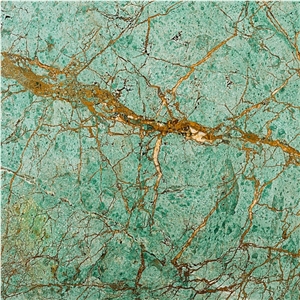
Blue Eagle Granite

Blue - Granite

Brazil

About

Item Details

Material Type:
Granite
Origin:
Brazil
Primary Color(s):
Blue
Recommended Usage:
kitchen and bathroom countertop, wash basins, building stone, ornamental stone, stairs, interior wall and floor applications, mosaic, water-jet pattern, wall panels, table tops, balustrades, columns, fireplaces, luxury furniture
Additional Names:
Eagle Blue Granite, Jade Blue Granite, Milky Way Blue Granite, Granito Blue Eagle, Granito Azul Eagle, Emerald Galaxy Granite, in China sone market:翡翠星河(Fěicuì Xīnghé), Blue Eagle Granite
Finished Surface:
Polished,Bush Hammered,Tumbled,Brushed,Honed,Split,Machine Cut,Natural Surface,Sandblasted,Acid Washing,Combed,Leathered,Water Jet,Chiseled,Pickling

Testing

Water Absorption:
0.10 - 0.35%
Density:
2670 - 2730 kg/m³
Flexural Strength:
18 - 25 MPa
Compressive Strength:
210 - 230 MPa

Description

Blue Eagle Granite is an exotic Brazilian natural stone, sometimes commercially classified as a quartzite due to its dense crystalline structure and dramatic movement, prized for its intense blue coloration combined with bold charcoal, graphite, and dark grey veining. The stone displays a dynamic and luxurious appearance with sweeping mineral waves, cloudy crystalline formations, and strong directional movement that create exceptional visual depth and energy across the slab. Shades of steel blue, midnight blue, silver-grey, and black blend naturally, producing a highly expressive and contemporary aesthetic suitable for statement architectural applications.

The texture is medium- to coarse-grained and crystalline, with a compact igneous structure that delivers excellent durability, strength, and polish response. Its surface exhibits rich mineral reflections and dimensional depth, particularly in polished finish, while textured finishes enhance the stone’s dramatic geological character.

Texture & Pattern: Dense crystalline structure with interlocking mineral grains; highly directional flowing movement with broad charcoal veining, blue mineral clouds, and irregular sweeping formations; dramatic and naturally artistic appearance.

Mineralogical Composition (% by weight):

  • Feldspar: 40–55%
  • Quartz (SiO₂): 20–35%
  • Blue minerals & sodalite: 10–18%
  • Mica & accessory minerals: 3–8%

Chemical Composition (% by weight):

  • SiO₂: 55–72%
  • Al₂O₃: 12–18%
  • Na₂O + K₂O: 5–10%
  • Fe₂O₃, CaO & trace oxides: 1–5%

Technical Test Results:

  • Apparent Density: 2.67–2.73 g/cm³
  • Water Absorption: 0.10–0.35%
  • Compressive Strength: 210–230 MPa
  • Flexural Strength: 18–25 MPa
  • Mohs Hardness: 6–7

Usage:Suitable for luxury countertops, kitchen islands, flooring, wall cladding, bathroom vanities, feature walls, staircases, fireplace surrounds, hotel lobbies, reception areas, and high-end architectural installations.

Maintenance: Low porosity stone requiring minimal maintenance; periodic sealing recommended for polished surfaces; clean with pH-neutral stone cleaners and avoid acidic or abrasive chemicals.

Available Finishes: Polished, honed, tumbled, brushed, sandblasted, leathered, waterjet-cut designs, and machine-cut precision surfaces.

FAQ

Does red wine stain the surface of a Blue Eagle Granite kitchen countertop?

Yes, red wine can stain the surface of a Blue Eagle Granite kitchen countertop. Granite is a natural stone that is somewhat porous, meaning it can absorb liquids that are left on its surface for extended periods. While Blue Eagle Granite is relatively resistant to staining compared to more porous stones, red wines pigmentation can penetrate the surface if not cleaned up quickly. To minimize the risk of staining, its recommended to seal granite countertops regularly, which helps provide a protective barrier against spills. Additionally, any spills should be wiped away promptly to prevent them from soaking into the stone.

Is Blue Eagle Granite mosaic flooring slippery for bathroom use?

Blue Eagle Granite mosaic flooring can vary in terms of slip resistance, depending on the specific finish and maintenance. Generally, polished granite surfaces tend to be more slippery when wet compared to honed or textured finishes. For a bathroom, where moisture is a common concern, honed or textured granite mosaics might be more suitable as they provide better grip. If you are considering Blue Eagle Granite mosaic for your bathroom, its a good idea to: 1. **Check the Finish**: Look for a honed or textured finish to enhance slip resistance. 2. **Use Rugs or Mats**: Place non-slip rugs or mats in areas that are frequently wet, like in front of the shower or sink. 3. **Seal the Stone**: Sealing the stone can help prevent water absorption and enhance grip. 4. **Consult with the Supplier**: Ask for specific slip resistance ratings or recommendations for bathroom use. By taking these precautions, you can reduce the risk of slipping and make granite mosaic flooring a safer option for your bathroom.

How can I give Blue Eagle Granite tiles an antique look?

Giving Blue Eagle Granite tiles an antique look involves several steps, focusing on distressing the surface and altering its finish. Heres a general guide to achieve this: 1. **Gather Materials**: - Abrasive materials (sandpaper, steel wool, or wire brush) - Mild acid (such as muriatic acid or a commercially available etching product for stone) - Sealer (stone enhancer or color enhancer) - Safety gear (gloves, goggles, mask) - Soft cloths and cleaning products 2. **Prepare the Area**: - Ensure that the workspace is well-ventilated. - Clean the granite tiles thoroughly to remove any dust or debris. 3. **Surface Distressing**: - Use sandpaper, steel wool, or a wire brush to gently scuff the surface of the tiles. This helps simulate wear and age. - Focus more on edges and corners, which would naturally wear more over time. 4. **Apply Acid or Etching Solution**: - Use a diluted acid solution or a stone etching product to slightly etch the surface. This will remove the modern polished finish and give it a more aged appearance. - Follow the manufacturers instructions and take appropriate safety precautions. 5. **Neutralize the Acid**: - After achieving the desired level of etching, neutralize the acid with a baking soda solution or as per the products instructions. - Rinse the surface thoroughly with water to remove any residue. 6. **Enhance with a Sealer**: - Apply a stone enhancer or color enhancer to deepen the color and give a warm, aged look. - Let it dry according to the product instructions. 7. **Final Touches**: - Buff the surface lightly with a soft cloth to achieve a subtle sheen if desired. - Seal the stone to protect the new finish, following the sealers guidelines. Remember always to test any chemical or technique on a small, inconspicuous area or a sample piece of granite to ensure that it achieves the desired effect without damaging the material.

How can I restore the appearance of Blue Eagle Granite floors to make them look new again?

Restoring the appearance of Blue Eagle Granite floors involves a series of steps to clean, polish, and protect the surface. Here’s a guide to help you make them look new again: 1. **Clean the Surface:** - **Dust and Sweep:** Begin by removing any loose dirt and debris with a soft broom or a dust mop. - **Wet Mop:** Use a pH-neutral granite cleaner mixed with water to mop the floors. Make sure to wring the mop out well to avoid excess water on the granite surface. - **Rinse:** After cleaning, rinse the floor with clean water to remove any remaining cleaning solution. - **Dry:** Use a soft, absorbent towel to dry the surface immediately to prevent water spots. 2. **Remove Stains:** - **Identify Stains:** Check for any stains that need special attention. - **Poultice Application:** For deep stains, apply a poultice made specifically for granite. This usually involves applying the poultice paste over the stain and covering it with plastic wrap, leaving it for 24-48 hours, then removing and rinsing the area. 3. **Polish the Granite:** - **Granite Polish:** Use a commercial granite polish to enhance the shine. Apply the polish according to the manufacturer’s instructions, often done by spraying a small amount and buffing with a microfiber cloth. - **Buffing Machine:** For larger areas, consider using a buffing machine with a specific granite polishing pad. 4. **Seal the Granite:** - **Check if Sealing is Needed:** Perform a water test by dropping a few drops of water on the surface. If the water absorbs quickly, its time to reseal. - **Choose a Quality Sealer:** Use a penetrating sealer made for granite. - **Apply the Sealer:** Follow the instructions on the product; generally, you’ll apply with a soft cloth, let it sit for the recommended time, and then buff off any excess. 5. **Maintenance:** - **Regular Cleaning:** Keep the floors clean using a pH-neutral cleaner. - **Prevent Scratches:** Use felt pads under furniture and avoid dragging heavy items across the floor. - **Spill Management:** Wipe up spills immediately to prevent staining. By following these steps, you should be able to restore and maintain the appearance of your Blue Eagle Granite floors, keeping them looking shiny and new.

Can 18mm thick Blue Eagle Granite be used for stair steps?

Yes, 18mm thick Blue Eagle Granite can generally be used for stair steps, but there are several factors to consider. Granite is a popular choice for stair steps due to its durability and aesthetic appeal. However, the suitability of 18mm thickness depends on the specific application and installation conditions. Here are a few factors to keep in mind: 1. **Structural Support**: Ensure that the underlying structure can support the weight and distribution of the granite steps. 2. **Span and Support**: The span of the step without support is crucial. If the steps are cantilevered or have a long span without support, thicker slabs may be needed to prevent cracking. 3. **Traffic and Use**: Consider the level of foot traffic. Residential use might be fine with 18mm thickness, but commercial areas with heavy foot traffic may require thicker slabs for added durability. 4. **Slip Resistance**: Granite can be slippery, especially when polished. Ensure that the finish provides enough traction or consider additional treatments to improve slip resistance. 5. **Installation**: Proper installation is critical for the longevity and safety of granite steps. Professional installation is recommended to ensure they are securely placed and supported. If you have any doubts, its a good idea to consult with a structural engineer or a professional in the stone industry to ensure the material is suitable for your specific needs.

Do fruit juices stain the surface of Blue Eagle Granite kitchen countertop?

Blue Eagle Granite is known for its durability and resistance to stains, but like all natural stone surfaces, it can be susceptible to staining if not properly sealed and maintained. Fruit juices, which are often acidic and colorful, can potentially stain granite if they are left on the surface for an extended period. To minimize the risk of staining: 1. **Seal the Granite:** Make sure your countertop is properly sealed. A good sealant will add a protective layer that helps prevent liquids from penetrating the stone. 2. **Wipe Spills Promptly:** Clean up spills as soon as they occur to prevent the juice from soaking into the stone. Use a soft cloth or paper towel to blot the spill, rather than wiping, to avoid spreading it further. 3. **Use Coasters and Trays:** Consider using coasters or trays under glasses or containers to prevent direct contact with the granite surface. 4. **Regular Cleaning:** Clean the countertop regularly with a mild dish soap and water solution, avoiding harsh chemicals or acidic cleaners which can degrade the sealant. 5. **Reapply Sealant:** Over time, the sealant may wear off, so reapply it as needed, typically every 1 to 2 years, depending on usage. If you notice any stains, there are granite-specific cleaners and poultices that can help remove them. Always test any cleaning solution on a small, inconspicuous area first.

Products & Prices

View More

Hot Blue Granite

New Granite

Post Your Request

The request includes:
  1. surface finished, size
  2. quantity required