Post Your Needs

Brazil Black Granite

Black - Granite

Cambodia

About

Item Details

Material Type:
Granite
Origin:
Cambodia
Primary Color(s):
Black
Recommended Usage:
kitchen and bathroom countertop, wash basins, building stone, ornamental stone, stairs, interior, exterior wall and floor applications, mosaic, water-jet pattern, wall panels, table tops, balustrades, columns, wall and pool copings, pool pavers, fireplaces, window sills
Additional Names:
Wager Black Granite, Cambodian Black Granite, Cambodia Black Granite, Brasilia Black Granite, in China stone market:巴西黑(Bāxī Hēi), 巴西利亚黑 (Bāxīlìyà Hēi)
Finished Surface:
Polished,Flamed,Bush Hammered,Tumbled,Brushed,Honed,Split,Machine Cut,Natural Surface,Sandblasted,Acid Washing,Combed,Leathered,Water Jet,Chiseled,Pickling

Testing

Water Absorption:
0.15 - 0.20 % by weight
Density:
2770 - 2800 kg/m³
Flexural Strength:
13 - 16 MPa
Compressive Strength:
190 - 210 MPa

Description

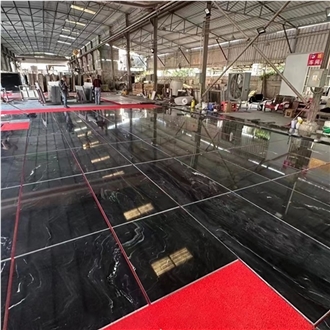
Brazil Black Granite features a fine-grained, deep black base with subtle dark grey undertones, accented by fine, scattered silvery-white and grey speckles with occasional tiny crystalline reflections, creating a subtle starry or granular texture rather than flowing veins, quarried in Cambodia.

Color & Appearance:

Brazil Black Granite features a fine-grained, deep black base with subtle dark grey undertones, creating a dense and sophisticated appearance.

Texture & Structure:

Fine-grained, compact, and crystalline, with a smooth, dense structure and subtle mineral reflections.

Pattern & Veining:

Fine, scattered silvery-white and grey speckles with occasional tiny crystalline reflections create a subtle starry or granular texture rather than flowing veins.

Technical Characteristics (Indicative):

  • Water Absorption: 0.15–0.20% by weight
  • Density: 2770–2800 kg/m³
  • Flexural Strength: 13–16 MPa
  • Compressive Strength: 190–210 MPa
  • Hardness: 6–7 Mohs

Mineral Composition (Indicative, % by weight):

  • Quartz: 25–35%
  • Plagioclase Feldspar: 30–40%
  • K-Feldspar: 10–20%
  • Biotite/Mica: 5–12%
  • Amphibole/Pyroxene: 3–8%
  • Chlorite: 0–3%
  • Accessory Minerals: 0–3%

Chemical Composition (Indicative, % by weight):

  • SiO₂: 60–72%
  • Al₂O₃: 12–18%
  • K₂O: 2–5%
  • Na₂O: 3–6%
  • CaO: 2–6%
  • Fe₂O₃: 1–4%
  • MgO: 0.5–3%
  • Other Oxides: 0–2%

Usage:

Suitable for kitchen and bathroom countertops, vanity tops, flooring, wall cladding, façades, stairs, fireplaces, tables, monuments, paving, pool coping, and other interior and exterior architectural applications.

Finishes:

Polished, honed, leathered, flamed, brushed, sandblasted, bush-hammered, and other custom finishes.

Maintenance:

Clean with a pH-neutral stone cleaner and a soft cloth or mop. Avoid strong acids and abrasive cleaners. Seal periodically according to the application and wipe spills promptly.

FAQ

Is Brazil Black Granite polished floor tiles easy to maintain?

Brazil Black Granite polished floor tiles are generally considered relatively easy to maintain, but like any natural stone, they require some care to keep them looking their best. Here are some maintenance tips: 1. **Sealing**: Granite is a porous material, so it should be sealed upon installation and resealed periodically according to the manufacturers recommendations. Sealing helps prevent stains and makes cleaning easier. 2. **Cleaning**: Regular cleaning with a damp mop or cloth and a pH-neutral cleaner is usually sufficient for daily maintenance. Avoid using abrasive cleaners or harsh chemicals that can damage the surface or dull the polish over time. 3. **Spills**: Wipe up spills immediately to prevent staining. Acidic substances like wine, juice, or vinegar can etch the surface if not cleaned up quickly. 4. **Scratches**: Although granite is hard and resistant to scratches, its still a good idea to use furniture pads under chairs and tables to prevent damage. 5. **Polishing**: The polished finish can be maintained with occasional polishing using products designed specifically for granite. This helps restore the shine and maintain the surfaces appearance. By following these guidelines, you can maintain the beauty and durability of Brazil Black Granite polished floor tiles over time.

Is Brazil Black Granite similar to Absolute Black Granite?

Brazil Black Granite and Absolute Black Granite are both popular choices for countertops and other design applications, but they have some differences. 1. **Origin:** - **Brazil Black Granite:** As the name suggests, this granite is sourced from Brazil. - **Absolute Black Granite:** This variety typically comes from different locations in India and Zimbabwe. 2. **Appearance:** - **Brazil Black Granite:** It may have a deep black color but can also feature some variance, such as speckles or subtle patterns in dark grey or even white flecks. The exact appearance can vary depending on the specific quarry. - **Absolute Black Granite:** Known for its consistent black color, it usually has little to no variation or visible mineral pattern, making it one of the most uniform black granites available. 3. **Texture and Finish:** - Both types of granite can be polished to a high gloss or given a honed, matte finish. The finish chosen will affect the appearance and shine. 4. **Durability:** - Both granites are known for their durability, making them suitable for high-traffic areas and countertops. They are resistant to scratching, heat, and stains when properly sealed. 5. **Price:** - Pricing can vary based on the source, availability, and finish. Typically, Absolute Black Granite is considered a premium option due to its uniformity and color consistency. 6. **Application:** - Both types of granite can be used in a variety of applications, including countertops, flooring, and wall cladding. In summary, while they share some common qualities, Brazil Black Granite and Absolute Black Granite differ mainly in their appearance and origin. When choosing between the two, consider the specific aesthetic and color consistency you desire, as well as budget and availability.

Can Brazil Black Granite be used for monuments?

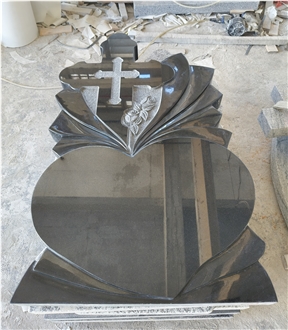
Yes, Brazil Black Granite can be used for monuments. Granite is a popular choice for monuments and memorials due to its durability, resistance to weathering, and aesthetic appeal. Brazil Black Granite, with its dark color and consistent texture, can provide an elegant and timeless appearance for any monument. Additionally, the hardness of granite makes it suitable for detailed carvings and inscriptions, making it an excellent material for creating lasting tributes.

Is Brazil Black Granite suitable for large countertops?

Yes, Brazil Black Granite is suitable for large countertops. Granite is a popular choice for countertops due to its durability, resistance to scratches and heat, and overall aesthetic appeal. Brazil Black Granite, known for its deep, rich color and consistent texture, can add an elegant and sophisticated look to kitchens or bathrooms. Its robust nature makes it well-suited for high-traffic areas where durability is essential. If considering this type of granite, its important to ensure that the slabs are properly sealed to maintain their appearance and resist staining over time. Consulting with a professional installer can also help address any specific concerns related to the size and layout of your countertops.

Does Brazil Black Granite have veins?

Yes, Brazil Black Granite can have veins. Like many natural stones, granite from Brazil can exhibit a variety of patterns and features, including veins, depending on the specific quarry and geological conditions where it was formed. While some black granite may appear uniformly dark, others can have subtle or pronounced veining in different colors such as white, gray, or gold. These variations make each slab unique. If you are considering using Brazil Black Granite for a project and are looking for specific characteristics like veining, it is a good idea to view the slabs in person or request photographs from the supplier.

Why is it called Brazil Black Granite if it is quarried in Cambodia?

The name Brazil Black Granite can be misleading. In the stone industry, the names given to natural stones like granite often reflect marketing decisions rather than geographical origins. These names are chosen to highlight certain qualities or to appeal to consumers, and they do not always accurately represent where the stone is quarried. In some cases, a name might be used because it evokes a certain image, quality, or prestige associated with another well-known stone or region, even if the stone does not come from there. Its also possible that similar types of granite with the same or similar names are found in multiple countries. If Brazil Black Granite is quarried in Cambodia, it could be that the name was chosen to leverage the reputation of Brazilian granites in the global market. However, the actual quarry location is in Cambodia. This kind of naming practice is not unusual in the stone industry, where marketing names can be less about origin and more about branding and consumer recognition.

Products & Prices

View More

Hot Black Granite

New Granite

Post Your Request

The request includes:
  1. surface finished, size
  2. quantity required