Post Your Needs

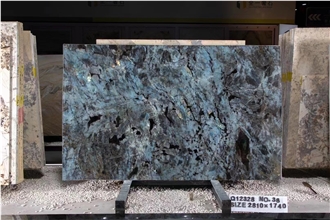
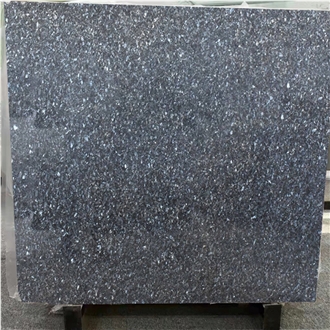
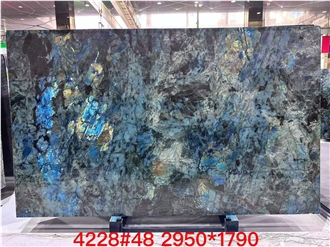
Blue Emerald Granite

Blue - Granite

Brazil

About

Item Details

Material Type:
Granite
Origin:
Brazil
Primary Color(s):
Blue
Recommended Usage:
Countertops, monuments, mosaic, exterior - interior wall and floor applications, fountains, pool and wall capping, stairs, window sills
Additional Names:
Blue Emerald Labradorite, Emerald Blue Granite, Labradorite Blue Granite, Blue Labradorite, in China stone market:蓝翡翠拉长石(Lán fěicuì lā cháng shí), Blue Emerald Granite
Finished Surface:
Polished, Sawn Cut, Sanded, Rockfaced, Sandblasted, Tumbled

Description

Blue Emerald Granite is a kind of dark blue labradorite quarried in Brazil. This stone is especially good for Countertops, monuments, mosaic, exterior - interior wall and floor applications, fountains, pool and wall capping, stairs, window sills and other design projects. It also called Blue Emerald Labradorite,Emerald Blue Granite,Labradorite Blue Granite,Blue Labradorite, in China stone market:蓝翡翠拉长石(Lán fěicuì lā cháng shí) . Blue Emerald Granite can be processed into Polished, Sawn Cut, Sanded, Rockfaced, Sandblasted, Tumbled and so on.

FAQ

Can Blue Emerald Granite be used for flooring in places with high pedestrian traffic?

Blue Emerald Granite can certainly be used for flooring in places with high pedestrian traffic. Granite is known for its durability, hardness, and resistance to wear and tear, making it an ideal choice for areas with heavy foot traffic. Blue Emerald Granite, specifically, is a type of granite that is renowned for its stunning blue color and unique veining patterns. However, its always recommended to consult with professionals or experts in the field to ensure the right type and grade of granite is selected for the specific usage and requirements of the space.

Does placing a hot pan on a Blue Emerald Granite kitchen countertop cause any damage?

Placing a hot pan directly on a Blue Emerald Granite kitchen countertop can potentially cause damage. While granite is a durable and heat-resistant material, extreme temperature changes can cause thermal shock, leading to cracks or damage to the stone. To protect your countertop, it is recommended to use trivets or hot pads to place hot pans or dishes on the surface. This precaution will help prevent any potential damage and ensure the longevity of your Blue Emerald Granite countertop.

How thick is a Blue Emerald Granite dining table top?

The thickness of a Blue Emerald Granite dining table top can vary depending on the manufacturer and the specific design. However, a common thickness for granite dining table tops is around 1.25 inches (3.18 cm) to 1.5 inches (3.81 cm).

Does Blue Emerald Granite scratch or break easily?

Blue Emerald Granite is a durable and high-quality natural stone. It is known for its strength and resistance to scratching and breaking. However, like any other natural stone, it can still be scratched or broken under extreme circumstances or if subjected to excessive force or pressure. With proper care and maintenance, Blue Emerald Granite is generally considered to be a durable and long-lasting material.

Does Blue Emerald Granite make a good choice for a kitchen countertop?

Blue Emerald Granite can make a good choice for a kitchen countertop depending on personal preferences and the overall style of the kitchen. Blue Emerald Granite is known for its stunning blue and green color variations and unique veining patterns, which can add a dramatic and elegant touch to any kitchen space. It is also a durable and strong natural stone that is resistant to heat, scratches, and stains, making it suitable for everyday use in the kitchen. However, it is important to note that granite countertops require regular sealing to maintain their appearance and protect against stains. Additionally, the cost of Blue Emerald Granite may be higher compared to other countertop options. Ultimately, it is recommended to visit a showroom or view samples of Blue Emerald Granite in person to ensure it aligns with your design vision and meets your specific needs.

What should you not use for cleaning Blue Emerald Granite countertops?

You should avoid using harsh abrasive cleaners or scrubbing pads on Blue Emerald Granite countertops. These can potentially scratch or damage the surface of the granite. Additionally, acidic cleaners such as vinegar or lemon juice should be avoided, as they can cause etching or discoloration of the stone. It is best to use mild, pH-neutral cleaners specifically formulated for use on granite surfaces.

What is the difference between granite and labradorite?

Granite and labradorite are both types of igneous rocks, but there are some key differences between them: 1. Composition: Granite is composed mainly of quartz, feldspar, and mica minerals. Labradorite, on the other hand, is a type of feldspar mineral that belongs to the plagioclase feldspar group. 2. Appearance: Granite typically has a granular texture with a speckled appearance due to the different minerals it contains. It can come in various colors, including white, pink, brown, and black. Labradorite, on the other hand, is known for its iridescent play of colors, often displaying vibrant hues of blue, green, gold, purple, and sometimes even a combination of colors. 3. Optical Properties: One of the unique features of labradorite is its labradorescence or schiller effect. This is the optical phenomenon where the stone appears to exhibit flashes of color when turned under the light, giving it a distinctive and attractive appearance. Granite, on the other hand, does not display this kind of optical effect. 4. Usage: Granite is commonly used for countertops, flooring, and building facades due to its durability and resistance to heat and scratching. Labradorite, with its mesmerizing color play, is frequently used for decorative purposes such as in jewelry, ornaments, or as a decorative stone in landscaping projects. 5. Source: Granite is a widely available rock found in various regions of the world, and different types are named according to their place of origin. Labradorite, on the other hand, is primarily sourced from Labrador, Canada, but can also be found in other parts of the world like Madagascar, Finland, and Australia. Overall, while granite is primarily valued for its durability and practical use, labradorite is sought after for its unique iridescent beauty and its ability to capture and reflect light.

What is the physical properties of Blue Emerald Granite?

Blue Emerald Granite is a type of granite that typically exhibits the following physical properties: 1. Color: Blue Emerald Granite has a predominantly blue color with variations in shades of blue and green, complemented with intricate patterns and flecks of different colors like white, gray, and sometimes gold. 2. Hardness: It is a relatively hard stone, scoring around 6 to 7 on the Mohs scale of mineral hardness. This hardness makes it resistant to scratching and ensures its durability. 3. Density: The density of Blue Emerald Granite generally ranges from 2.6 to 2.8 grams per cubic centimeter. Its solid and dense structure makes it suitable for construction purposes. 4. Texture: Blue Emerald Granite has a medium to coarse-grained texture, with visible minerals and crystals giving it a natural and appealing look. 5. Porosity: It has low to very low porosity, meaning it is less likely to absorb liquids or moisture. This property makes it suitable for use in areas where spillage is a common occurrence, such as kitchens and bathrooms. 6. Durability: Blue Emerald Granite is highly durable and resistant to wear and tear, making it ideal for both interior and exterior applications. It can withstand high temperatures, making it suitable for use in kitchen countertops near stoves and ovens. 7. Polishing: It can achieve a high polish, enhancing the stones natural beauty and color. Polishing also helps in increasing its resistance to staining and makes it easier to maintain. 8. Strength: Blue Emerald Granite has good compressive strength, enabling it to withstand heavy loads without cracking or breaking. These physical properties collectively contribute to Blue Emerald Granites popularity for various applications, including countertops, flooring, wall cladding, and decorative purposes.

Can Brazil's Blue Emerald Granite be used exterior applications in very rainy climates?

Yes, Brazils Blue Emerald Granite can be used for exterior applications in very rainy climates. Granite is a highly durable and weather-resistant material, making it suitable for outdoor installations. It is known for its ability to withstand rain, extreme temperatures, and other environmental factors. However, it is recommended to apply a protective sealant on the granite surface to enhance its water resistance and prevent moisture penetration. Regular maintenance and cleaning will also help preserve the appearance and longevity of the granite in a rainy climate.

Can Brazil's Blue Emerald Granite be used in wall coverings?

Yes, Brazils Blue Emerald Granite can be used in wall coverings. Granite is a popular choice for wall applications due to its durability, natural beauty, and resistance to heat and scratches. Blue Emerald Granite, with its unique blue color and veining, can add elegance and a touch of luxury to any wall surface such as interior walls, exterior facades, or feature walls. It can be cut and polished into tiles or slabs, allowing for various installation options and design choices.

Products & Prices

View More

Hot Blue Granite

New Granite

Post Your Request

The request includes:
  1. surface finished, size
  2. quantity required