Post Your Needs

Blue Ice Onyx

Blue - Onyx

Turkey

About

Item Details

Material Type:
Onyx
Origin:
Turkey (Manisa)
Primary Color(s):
Blue
Recommended Usage:
Building stone,monuments, pool coping, sills, ornamental stone, interior, exterior, wall, floor , paving
Additional Names:
Ice Blue Onyx, Blue Ice Onyx
Finished Surface:
Polished, honed, sawn cut, brushed, tumbled, chiseled, split

Description

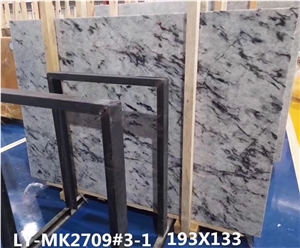
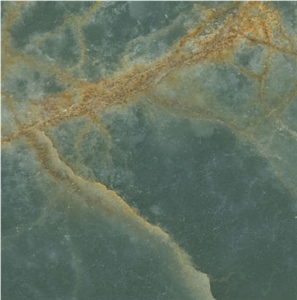
Blue Ice Onyx is a kind of light blue onyx quarried in Turkey. This stone is especially good for Building stone,monuments, pool coping, sills, ornamental stone, interior, exterior, wall, floor , paving and other design projects. It also called Ice Blue Onyx . Blue Ice Onyx can be processed into Polished, honed, sawn cut, brushed, tumbled, chiseled, split and so on.

FAQ

Is Blue Ice Onyx a suitable choice for exterior wall?

Blue Ice Onyx is a stunning natural stone known for its vibrant blue hues and intricate veining. However, its suitability for exterior use depends on several factors. 1. **Durability**: Onyx is a relatively soft and fragile stone compared to granites or quartzites. It is more prone to scratching, chipping, and weathering, especially in harsh climates. 2. **Weather Resistance**: Onyx can be susceptible to damage from environmental factors such as rain, snow, and extreme temperature changes. It may not withstand freeze-thaw cycles well, which can lead to cracking or spalling. 3. **Maintenance**: Onyx requires regular sealing and maintenance to keep its appearance intact, especially in outdoor settings where it is exposed to the elements. 4. **UV Sensitivity**: Color fading over time due to UV exposure can be a concern, particularly for vibrant stones like Blue Ice Onyx. 5. **Cost**: Onyx is generally more expensive than more durable stones, which is something to consider for large exterior applications. If you are set on using Blue Ice Onyx for an exterior wall, it would be best suited for a covered or sheltered area that minimizes exposure to harsh weather and sunlight. Consulting with a professional stone supplier or installer can provide more detailed advice based on the specific conditions of your location.

Do red wine stain the surface of Blue Ice Onyx?

Blue Ice Onyx is a type of natural stone that is prized for its unique, translucent appearance and striking color patterns. Like many natural stones, it is porous to varying degrees, which means it can absorb liquids that come into contact with its surface. Red wine, with its deep color and acidic nature, can potentially stain Blue Ice Onyx if it is not sealed properly or if the spill is not cleaned up promptly. To minimize the risk of staining, its a good idea to ensure that your Blue Ice Onyx is properly sealed. Sealants create a protective barrier on the stone’s surface that can help prevent liquids from penetrating and causing stains. However, even with a sealant, it is still important to wipe up spills as soon as possible and to clean the surface regularly with appropriate stone cleaners. If a stain does occur, there are specific stone care products and techniques that can help in removing or minimizing the appearance of the stain. It is recommended to consult with a professional stone care specialist for the best results.

Can I use Blue Ice Onyx as a fireplace hearth? Is it resistant to heat?

Blue Ice Onyx is a beautiful and unique stone that can add an elegant touch to home designs. However, when it comes to using it as a fireplace hearth, there are some considerations to keep in mind. 1. **Heat Resistance**: Onyx is generally not as heat-resistant as some other natural stones like granite or basalt. It can be sensitive to heat and may be prone to cracking or discoloring when exposed to high temperatures over time. 2. **Durability**: Onyx is a softer and more porous stone compared to granite or marble. It can be susceptible to scratching and etching, making it less ideal for high-traffic or high-use areas like a fireplace hearth. 3. **Maintenance**: It requires regular sealing and maintenance to protect against stains and damage, especially when used in areas subjected to heat and potential soot or ash. If you are set on using Blue Ice Onyx for its aesthetic appeal, it might be best suited for decorative areas where direct heat exposure is minimal. Alternatively, you could consult with a stone specialist for ways to reinforce or treat the onyx to improve its suitability for your fireplace project. Using a heat-resistant barrier or selecting a more robust stone for direct contact with heat might be prudent solutions.

My bathroom wall is covered with Blue Ice Onyx. There is a rust stain around the faucet. How can I clean it?

Blue Ice Onyx is a beautiful but delicate natural stone, so its important to be careful when cleaning to avoid any damage. Rust stains require special care due to the reactive nature of this type of stone. Heres a step-by-step guide to help you clean the rust stain: 1. **Test First**: Before applying any cleaner, test it in an inconspicuous area to ensure it doesn’t damage or discolor the onyx. 2. **Avoid Harsh Chemicals**: Do not use acidic cleaners, vinegar, or lemon juice, as these can etch and damage onyx. 3. **Use a Poultice**: - **Ingredients**: You will need a non-acidic rust remover or a homemade poultice made from baking soda and water. Some people also use hydrogen peroxide instead of water, but this must be done with care. - **Application**: Create a paste and apply it to the rust-stained area. Cover the paste with plastic wrap and tape the edges to keep it moist. Let it sit for 24 to 48 hours. - **Removal**: After the waiting period, remove the plastic wrap and gently wipe away the poultice with a soft, damp cloth. Rinse the area thoroughly with clean water. 4. **Use a Non-Ionic Stone Cleaner**: If the stain persists, consider using a pH-neutral stone cleaner that is safe for onyx. Follow the manufacturers instructions. 5. **Professional Help**: If youre unable to remove the stain using these methods, consider hiring a professional stone restorer who specializes in onyx. 6. **Sealing**: Once the stain is removed, consider sealing the onyx if it isnt already sealed. This can help prevent future stains. Regular maintenance and wiping any spills immediately can help prevent stains on Blue Ice Onyx in the future.

Can 2cm thickness Blue Ice Onyx be used for stair steps?

Yes, 2 cm thickness Blue Ice Onyx can be used for stair steps, but there are several factors to consider to ensure its suitability and longevity: 1. **Strength and Durability**: Onyx is generally considered a softer and more fragile stone compared to granite or marble. It is essential to ensure that the Onyx used is of high quality and properly supported to handle the weight and stress of foot traffic on stairs. 2. **Surface Finish**: Onyx can be slippery, especially when polished to a high gloss. Consider using a honed finish or adding a non-slip treatment to reduce the risk of slipping, particularly if the stairs are in an area prone to moisture. 3. **Supporting Structure**: Ensure that the underlying structure is sturdy and well-designed to support the brittle nature of onyx. Adequate support will reduce the likelihood of cracking or chipping over time. 4. **Sealing and Maintenance**: Onyx is porous and can stain or get scratched easily. Applying a high-quality sealant and setting up a regular maintenance routine can protect the stone and preserve its aesthetic appeal. 5. **Aesthetic and Lighting**: Onyx, especially when backlit, can create a stunning and luxurious effect that can enhance the overall look of the space. However, ensure that the stair design fits well with the broader interior design goals. Before making a decision, it might be wise to consult with a professional stone installer or an architect to evaluate the specific conditions and requirements of your project.

Is Blue Ice Onyx suitable to use for sculpturing's?

Blue Ice Onyx is a type of onyx known for its striking appearance, characterized by blue and white banding and unique translucency. Whether it is suitable for sculpting depends on several factors: 1. **Workability**: Onyx is softer than many other stones commonly used for sculpture, such as marble. This can make it easier to carve, but also more prone to damage, chipping, or scratching. Sculpture artists need to handle it with care and possibly use tools designed for softer stones. 2. **Aesthetic Appeal**: The striking color patterns and translucency of Blue Ice Onyx can create stunning visual effects, especially when backlit. This can enhance the aesthetic appeal of sculptures, making it a desirable material for decorative pieces. 3. **Size and Structure**: Onyx often comes in smaller slabs or pieces, which might limit the size of the sculptures that can be created. Additionally, the natural veining and banding could impact structural integrity, depending on how the stone is carved. 4. **Environment**: Since onyx is more susceptible to moisture and acidic substances than harder stones, sculptures made from it are better suited for indoor environments where they are less exposed to elements that might cause erosion or discoloration. 5. **Cost**: Onyx, including Blue Ice Onyx, can be relatively expensive compared to other stones. This could be a consideration depending on the budget for a sculpture project. In conclusion, Blue Ice Onyx can be suitable for sculpting, particularly if the desired outcome benefits from its unique visual properties. However, artists must be mindful of its physical characteristics and limitations.

What is the coefficient of friction of Leathered Turkey's Blue Ice Onyx tiles?

The coefficient of friction for a specific type of tile, such as Leathered Turkeys Blue Ice Onyx, would typically be provided by the manufacturer or the supplier of the product. Therefore, it would be best to contact the relevant company for accurate and specific information on the coefficient of friction for those particular tiles.

How thick is Turkey's Blue Ice Onyx slabs?

The thickness of Turkeys Blue Ice Onyx slabs can vary depending on the supplier and individual product. However, typically, Blue Ice Onyx slabs are available in thicknesses ranging from 2 cm (0.79 inches) to 3 cm (1.18 inches). It is important to note that slab thickness may vary slightly due to natural variations in the stone and individual cutting processes.

Can Turkey's Blue Ice Onyx be used exterior applications in cold climates?

Turkeys Blue Ice Onyx is a type of natural stone that is known for its unique blue and white color variations. While it can be used for interior applications such as countertops, walls, and floors, it is generally not recommended for exterior applications in cold climates. Blue Ice Onyx has a relatively low hardness and is considered a delicate stone compared to other natural stones. It is highly susceptible to damage from freezing temperatures, moisture penetration, and freeze-thaw cycles that commonly occur in cold climates. Exposure to extreme cold can cause the stone to crack, break, or deteriorate over time. Additionally, the stones porous nature makes it more prone to staining and discoloration, especially in outdoor environments where it is exposed to various elements. If you are looking for a durable and suitable natural stone for exterior applications in cold climates, it is advisable to consider options such as granite, limestone, or quartzite, which are known for their durability, resistance to freezing temperatures, and ability to withstand harsh weather conditions.

Can Turkey's Blue Ice Onyx be used in landscaping?

Yes, Turkeys Blue Ice Onyx can be used in landscaping. It is a unique and attractive stone that can be used for various landscaping purposes such as paving, retaining walls, steps, and decorative accents. With its blue and white hues, it can add a touch of elegance and sophistication to outdoor spaces. However, it is important to note that natural stone like onyx may require regular maintenance and sealing to maintain its appearance and durability in outdoor conditions.

Products & Prices

View More

Hot Blue Onyx

New Onyx

Post Your Request

The request includes:
  1. surface finished, size
  2. quantity required