Post Your Needs

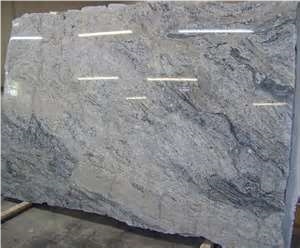
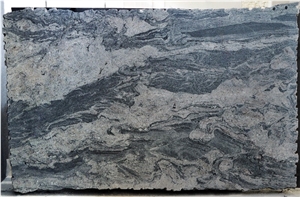
Branco Piracema Granite

White - Granite

Brazil

About

Item Details

Material Type:
Granite
Origin:
Brazil (Pantanal region)
Primary Color(s):
White
Recommended Usage:
Kitchen and bathroom countertops, monuments, building stone, ornamental stone, stairs, interior, exterior wall and floor applications, mosaic, waterjet pattern, balustrades, fireplaces, columns, wall panels, table tops
Additional Names:
Branco Piracema, Bianco Piracema Granite, White Piracema Granite, Piracema Grey Granite, Piracema White Granite, Blanco Piracema Granite, Piracema Granite, Pantanal White Granite, Branco Piracema Granite
Finished Surface:
Polished,Flamed,Bush Hammered,Tumbled,Brushed,Honed,Split,Machine Cut,Natural Surface,Sandblasted,Acid Washing,Combed,Leathered,Water Jet,Filled,Chiseled,Pickling

Testing

Water Absorption:
0.17 %
Density:
2670 kg/m3
Flexural Strength:
24.4 MPa
Compressive Strength:
177.9 MPa

Description

Branco Piracema Granite is a beautiful natural stone quarried in Brazil, a country renowned for its abundant and high-quality granite resources. Branco Piracema, also known as White Piracema, is highly regarded for its striking appearance, featuring a predominantly white background with intricate patterns and contrasting colors.

The primary characteristic of Branco Piracema Granite is its white background color. The white tones range from pure white to off-white, creating a bright and clean aesthetic that can enhance the overall brightness of a space. The white base serves as a versatile backdrop, allowing other design elements to stand out or creating a fresh and modern atmosphere.

Complementing its white background, Branco Piracema Granite features intricate patterns and markings. These patterns typically consist of varying shades of gray, black, and sometimes even beige or pink. The patterns can be veining, speckling, or marbling, which add depth and visual interest to the stone. These natural variations make each slab of Branco Piracema Granite unique and distinctive.

Branco Piracema Granite is highly durable and suitable for a wide range of applications. It is composed primarily of quartz and feldspar minerals, which contribute to its strength and resistance to scratches, heat, and stains. This durability makes it ideal for use in kitchens, bathrooms, flooring, wall cladding, and other high-traffic areas.

The quarrying process of Branco Piracema Granite involves extracting large blocks of stone from Brazilian quarries. These blocks are then cut into slabs of varying thicknesses and sizes. The slabs undergo a polishing process to enhance the stone's natural luster and reveal the full beauty of its patterns and colors.

It's important to note that, as with any natural stone, there can be variations in color and patterns from slab to slab. It is advisable to view and select the specific slabs intended for a project to ensure they meet the desired aesthetic preferences.

In summary, Branco Piracema Granite from Brazil is a stunning natural stone characterized by its white background with intricate gray, black, and occasionally beige or pink patterns. Its durability and versatility make it a favored choice for various design applications, adding a touch of elegance and sophistication to both residential and commercial spaces.

FAQ

Which granite is the whitest?

There are several granite varieties that are known for their white color. Some of the whitest granites include: 1. Colonial White Granite: This granite has a creamy white background with gray and black speckles. 2. Alaska White Granite: It has a pale white background with silver and gray speckles. 3. White Ice Granite: It features a white background with gray and black veins and speckles. 4. Kashmir White Granite: This granite has a light grayish-white background with specks of black and dark gray. 5. Fantasy White Granite: It has a white background with subtle gray and black veining. Its important to note that granite is a natural stone, and variations in color and pattern can occur within each type. Thus, its always recommended to view a sample or slab in person to ensure the desired color and appearance.

Can Brazil's Branco Piracema Granite be used in landscaping?

Yes, Brazils Branco Piracema Granite can be used in landscaping. It is a durable and versatile stone that can be used for various landscaping purposes such as paving, pathways, stepping stones, outdoor countertops, garden borders, retaining walls, and other decorative elements. Its natural beauty, with its white and gray tones and distinctive veining, can add an elegant and sophisticated touch to any landscape design.

What is the coefficient of friction of Filled Brazil's Branco Piracema Granite tiles?

I apologize, but I couldnt find specific information about the coefficient of friction for Filled Brazils Branco Piracema Granite tiles. The coefficient of friction typically varies depending on factors such as the surface finish, treatment, and the specific testing method used. It is best to contact the manufacturer or supplier of the tiles for accurate information regarding the coefficient of friction.

What is the most stain-resistant white granite?

There are several white granite varieties that are known for being highly stain-resistant. Here are a few popular options: 1. Alaska White Granite: This granite has a light background with gray and black speckles. It is not only durable but also highly resistant to stains and easy to maintain. 2. White Ice Granite: With a mostly white background and specks of dark minerals, White Ice Granite is known for its stain-resistant properties. It has a polished finish, making it easier to clean and maintain. 3. Colonial White Granite: This granite has a soft white background with gray and black speckles. It is known for its stain-resistant qualities, making it ideal for kitchen countertops and other high-traffic areas. 4. Super White Granite: Although not pure white, Super White Granite is highly stain-resistant due to its quartzite composition. It has a white-gray background with veins of darker shades, resembling the look of marble. It is important to note that while these granites offer good stain resistance, it is still advisable to clean up spills as soon as possible to prevent long-term staining. Additionally, regular sealing of the granite surface can enhance its stain resistance and longevity.

What are the disadvantages of white granite countertops?

While white granite countertops have several advantages, they also have a few disadvantages. These can include: 1. Stains: White granite is more likely to show stains and spills compared to darker-colored granite. It may require more frequent sealing and maintenance to keep it looking clean and stain-free. 2. Scratches: Although granite is a durable material, white granite can show scratches more easily than darker granite colors. It may be more susceptible to damage from sharp objects or heavy kitchen utensils. 3. Maintenance: White granite may require more upkeep and maintenance compared to other colors. It may need regular sealing to protect it from stains, and it can be more challenging to match the exact shade for repairs or additions in the future. 4. Limited color options: White granite usually comes in limited color options compared to other shades of granite. While there are variations and patterns available, the choice in white granite can be more limited, which may restrict design options. 5. Cost: White granite is often more expensive than other granite colors due to its popularity and demand. It can be a pricier choice for those on a budget or looking for a more cost-effective option. 6. Perceived cleanliness: Some people believe that white granite, while it may look clean and elegant, can show dirt and imperfections more easily compared to darker colors. This perception can create the need for more regular cleaning and maintenance to maintain its pristine appearance. Overall, while there are a few disadvantages to white granite countertops, they can still be an excellent choice for many homeowners, depending on their style preferences and willingness to invest in maintenance.

Does white granite turn yellow?

No, white granite does not typically turn yellow. Granite is a natural stone that is formed from minerals like quartz and feldspar, and its color is determined by the minerals present. White granite maintains its color over time and does not have a tendency to yellow. However, it is important to note that improper care, exposure to certain chemicals, or lack of regular maintenance can cause stains or discoloration on any type of granite, including white granite.

Are there color variations of Brazil's Branco Piracema Granite?

Yes, there can be color variations in Brazils Branco Piracema Granite. The primary color of this granite is white, but it can also have varying shades of gray, black, and even brown veining. The intensity and distribution of these colors can vary from slab to slab, so its important to view and select the specific slab you want to ensure it meets your preferences.

How thick is Brazil's Branco Piracema Granite slabs?

The thickness of Brazils Branco Piracema granite slabs can vary depending on the specific supplier or manufacturer. However, standard thicknesses for granite slabs typically range from 2 centimeters (0.79 inches) to 3 centimeters (1.18 inches).

Is Brazil's Branco Piracema Granite an expensive stone?

I dont have access to current market prices of stones, but in general, Branco Piracema Granite is considered a mid-range priced granite and is not as expensive as some of the rare and exotic stones. The cost of the granite can vary depending on factors such as the size, thickness, and location of the project. It is best to consult with a local stone supplier or fabricator for accurate pricing.

Products & Prices

View More

Hot White Granite

New Granite

Post Your Request

The request includes:
  1. surface finished, size
  2. quantity required