Post Your Needs

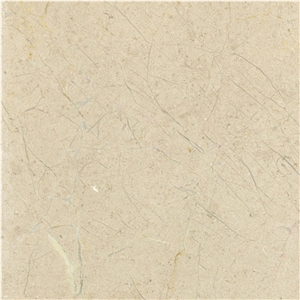
Breccia Aurora Marble

Beige - Marble

Italy

About

Item Details

Material Type:
Marble
Origin:
Italy (Virle, Nuvolento, Provincia di Brescia, Lombardia)
Primary Color(s):
Beige
Recommended Usage:
Kitchen and bathroom countertops, monuments, building stone, ornamental stone, stairs, interior, exterior wall and floor applications, mosaic, waterjet pattern, balustrades, fireplaces surround, columns, wall panels, table tops, sculptures
Additional Names:
Marmi Breccia Aurora, Breccia Aurora Classica Marble, Breccia Aurora Gold Marble, Aurore Breccia Marble, Breccia Aurora IMV Marble, Marmi Brescia Aurora, Loredo Chiaro Marble, Loredo IMV Marble, Breccia Aurore Marble, Breccia Aurora Beige Marble, in China stone market:七彩米黄(Qīcǎi mǐhuáng), Breccia Aurora Marble
Finished Surface:
Polished,Bush Hammered,Tumbled,Brushed,Honed,Split,Machine Cut,Natural Surface,Sandblasted,Acid Washing,Combed,Leathered,Water Jet,Filled,Chiseled,Pickling

Testing

Water Absorption:
0.20 %
Density:
2700 kg/m³
Flexural Strength:
10.7 MPa
Compressive Strength:
79.9 MPa

Description

Breccia Aurora Marble is a type of breccia marble quarried in Italy, renowned for its elegant and captivating appearance. The stone features a beige base color, giving it a warm and inviting character. The beige background is infused with fragments of various minerals and rocks, creating a captivating mosaic-like pattern.

The defining characteristic of this marble is the slightly contrasted darker tones that meander through the beige backdrop. These darker elements may manifest as veins, swirls, or patches, gracefully interweaving with the lighter base to create a harmonious yet visually stimulating design.

The overall effect of Breccia Aurora Marble is one of sophistication and refined aesthetics. When cut into slabs and polished, the natural colors and patterns of the marble are enhanced, providing a luxurious and glossy surface suitable for various interior applications.

Designers and architects often seek out this type of marble for its ability to add a touch of timeless beauty and sophistication to spaces like bathrooms, kitchens, flooring, and even grand entrance halls. Its unique blend of breccia beige with darker accents allows it to complement a wide range of design styles, from classic to contemporary, making it a versatile and sought-after material in the world of luxury building and design.

Please keep in mind that the description above is purely hypothetical based on the information you provided and does not represent an actual marble known as "Breccia Aurora Marble" as of my last update. If such a variety of marble exists now or in the future, I recommend consulting up-to-date and reliable sources for accurate and detailed information about its characteristics and origin.

Petrographic definition: limestone breccia
Massa Unit Volume: 2700 kg/m3
Water Absorption: 0.20%
Breaking Load Compression Simple: 79.9 MPa
Compression breaking load after freezing: 22.8 MPa
Elastic Modulus Tangent: 101,500 MPa
Tensile indirectly by bending 10.7 MPa
Its coefficient of Abrasion (referred to Granite St. Fedelino): 0.68
Impact resistance: minimum fall height: 31 cm
Linear thermal expansion coefficient of 3.9 x 10⁻⁵ 0C-1
Knoop microhardness: 1491 MPa
Index of non-uniformity of hardness: 1.44
Source: Politecnico di Torino

FAQ

How can I clean the grout of Breccia Aurora Marble wall tiles?

Cleaning the grout of Breccia Aurora Marble wall tiles requires careful attention to avoid damaging the marble surface. Here is a step-by-step guide to help you clean the grout effectively: 1. **Gather Supplies**: - pH-neutral cleaner suitable for marble - Soft-bristle brush or old toothbrush - Microfiber cloths - Warm water - Baking soda (optional, for tougher stains) 2. **Prepare the Area**: - Remove any loose dirt or dust from the surface and grout lines by gently wiping with a dry microfiber cloth. 3. **Apply a Cleaning Solution**: - Mix a small amount of pH-neutral cleaner with warm water according to the manufacturers instructions. - Avoid acidic or alkaline cleaners, as they can damage marble surfaces. 4. **Cleaning the Grout**: - Dip the soft-bristle brush or toothbrush into the cleaning solution. - Gently scrub the grout lines using light, circular motions. Be careful not to let the brush contact the marble surface to avoid scratching it. - For tougher stains, create a paste with baking soda and water. Apply the paste to the grout lines and let it sit for a few minutes before scrubbing. 5. **Rinse**: - Use a clean, damp microfiber cloth to wipe away the cleaner and any loosened dirt from the grout and marble. 6. **Dry the Surface**: - Use a dry microfiber cloth to thoroughly dry the grout and marble tiles to prevent water spots and streaks. 7. **Regular Maintenance**: - To prevent buildup, clean your marble tiles and grout regularly. Use a clean microfiber cloth to dust the tiles weekly. 8. **Sealing**: - Consider applying a grout sealer to protect the grout from future staining. Ensure the sealer is suitable for use with marble. Always test any cleaning solutions on a small, inconspicuous area before applying them to the entire wall to ensure they do not cause any damage or discoloration to the marble or grout.

My Breccia Aurora Marble bathroom countertop has turned yellow; how can I restore it to its original color?

Yellowing of marble surfaces, including Breccia Aurora marble, is a common issue and can be caused by a variety of factors such as accumulated wax, residue from cleaning products, or issues related to moisture and oxidation. Restoring it to its original color requires a careful approach to avoid damaging the stone. Here are some steps you can follow to address the yellowing: 1. **Identify the Cause**: - Determine if the yellowing is superficial (surface-level staining or residue) or deeper within the stone. This can help in selecting the appropriate cleaning method. 2. **Basic Cleaning**: - Use a pH-neutral stone cleaner. Avoid acidic or abrasive cleaners that might damage the marble. - Mix the cleaner with warm water and gently scrub the surface using a soft cloth or a non-abrasive sponge. - Rinse thoroughly and dry with a microfiber cloth. 3. **Remove Wax or Residue**: - If wax buildup or residue from cleaners is suspected, try using a marble cleaner that is formulated to strip wax and polish buildups. - Apply according to the products instructions and ensure you rinse and dry the surface completely. 4. **Poultice for Stains**: - For stains that have penetrated deeper into the marble, you can use a poultice made from baking soda and water (to form a paste). - Apply a thick layer over the yellowed area, cover with plastic wrap, and let it sit for 24-48 hours. It helps to draw out stains from the stone. - Remove the poultice and clean the area with a soft cloth and warm water. Repeat if necessary. 5. **Professional Help**: - If these methods do not restore the color, it might be necessary to contact a professional stone restoration service. They can use specialized techniques such as honing or polishing to remove deeper yellowing. 6. **Prevent Future Yellowing**: - Use products that are suitable for marble, and avoid using vinegar or other harsh chemicals. - Seal the marble, if not already sealed, to prevent future staining and yellowing. Regularly re-seal based on the manufacturers guidance. - Maintain a regular cleaning schedule with appropriate products. Ensure that you always test any cleaning method on a small, inconspicuous area first to make sure it does not cause any further damage or discoloration to the marble.

Will a hot pot leave a mark on a Breccia Aurora Marble kitchen countertop?

Yes, placing a hot pot directly on a Breccia Aurora marble countertop can potentially leave a mark or cause damage. Marble is a natural stone that can be sensitive to heat and is susceptible to thermal shock, which might cause discoloration or even cracking. Its always a good idea to use a trivet or hot pad to protect the surface of the marble from hot items. In addition to heat, you should also be mindful of acids and abrasive substances, as they can etch or scratch the marble surface.

If lemonade spills on a Breccia Aurora Marble kitchen countertop, will it damage the surface?

Breccia Aurora Marble, like other types of marble, is composed primarily of calcium carbonate. This makes it susceptible to etching and staining when exposed to acidic substances, such as lemon juice or lemonade. If lemonade spills on a Breccia Aurora Marble countertop, it can cause etching, which is a dull spot that appears as a reaction between the acid and the calcium carbonate. Its important to clean up spills immediately to minimize potential damage. Wiping the area with a soft cloth and a mixture of mild soap and water can help remove the spill. After cleaning, you might also want to use a marble sealant to provide an additional layer of protection and regularly maintain the sealant to keep the marble protected.

Can I use bleach when cleaning a Breccia Aurora Marble kitchen countertop?

It is not recommended to use bleach or any harsh chemicals on Breccia Aurora marble or any type of marble surfaces. Marble is a natural stone that is sensitive to acidic and alkaline substances, which can cause etching, discoloration, or dulling of the surface. Instead, you should use a pH-neutral cleaner specifically designed for natural stone or simply a mixture of warm water and a mild dish soap. Always ensure the countertop is rinsed thoroughly with water after cleaning and dry it with a soft cloth to maintain its sheen and prevent water spots. Regular resealing as advised by a professional can also help protect the marble from stains and damage.

If I cut meat directly on my Breccia Aurora Marble kitchen countertop, will it damage the surface?

Cutting meat directly on your Breccia Aurora Marble kitchen countertop is not recommended, as it can potentially damage the surface. Marble is a relatively soft and porous natural stone, which makes it susceptible to scratches, stains, and etching from acids found in various foods, including meat. To prevent damage, its best to use a cutting board when preparing food on marble countertops. This will help preserve the beauty and longevity of the marble surface.

Can Italy's Breccia Aurora Marble be used in landscaping?

Yes, Italys Breccia Aurora marble can be used in landscaping. It can be used for outdoor flooring, paving, cladding, and decorative elements such as garden sculptures, fountains, benches, and pots. Its unique and striking patterns and colors make it a popular choice for creating captivating landscapes. However, it is essential to note that marble is a natural stone that requires proper maintenance to preserve its appearance and durability, especially in outdoor settings where it is exposed to weather and environmental factors.

What grade is Italy's Breccia Aurora Marble?

I dont have knowledge about the grading system of marble. However, Breccia Aurora Marble from Italy is considered a high-quality marble due to its unique color variations and beautiful veining patterns.

Are there color variations of Italy's Breccia Aurora Marble?

Yes, there are color variations of Italys Breccia Aurora Marble. The Breccia Aurora Marble is a mix of pink, beige, and white, and its color variation depends on the amount of each color included in the stone. Some Breccia Aurora Marble can have more pink hues, while others can have more beige or even white. The veins and patterns in the marble can also vary, resulting in a unique and distinctive appearance.

Products & Prices

View More

Hot Beige Marble

New Marble

Post Your Request

The request includes:
  1. surface finished, size
  2. quantity required