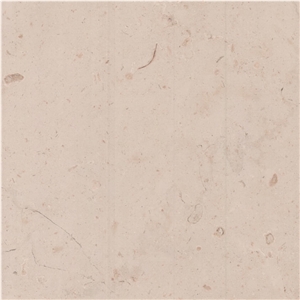
Breccia Sinai Limestone, commonly found in Egypt, is a type of limestone with a unique appearance and texture. However, when it comes to using this limestone for exterior applications in very rainy climates, there are a few factors to consider.
Limestone, in general, is a porous material that can absorb water. In very rainy climates, the limestone can become susceptible to water damage and deterioration over time. Excessive moisture can penetrate the stone, causing it to degrade, crack, or develop mold and mildew.
To use Breccia Sinai Limestone in exterior applications in rainy climates, some precautions should be taken:
1. Sealing: Properly sealing the limestone surface can help minimize water absorption. Utilizing a high-quality stone sealer specifically designed for limestone can create a barrier that reduces the negative impacts of excessive moisture.
2. Surface Finish: Choose a limestone finish that can better resist water absorption. A honed or polished finish tends to be less porous compared to a tumbled or textured finish, making it more suitable for exterior applications in rainy climates.
3. Maintenance: Regular maintenance is crucial to keeping the limestone in good condition. Cleaning the surface periodically to remove dirt, debris, and moss can help prevent water retention and potential damage.
4. Proper Installation: Correct installation techniques, including appropriate slope for water drainage, can help minimize water accumulation on the limestone surface. Ensure the limestone is installed by professionals who have experience with exterior applications in rainy climates.
Although these precautions can enhance the limestones durability, it is important to acknowledge that Breccia Sinai Limestones performance in very rainy climates may still vary. Evaluating local climate conditions and consulting with professionals in the architectural or geological field would provide more specific guidance for your specific project.


 Egypt


 Saudi Arabia

 Germany

 Spain

 Portugal


 Norway

 Croatia

 Bulgaria

 China

 France
