Post Your Needs

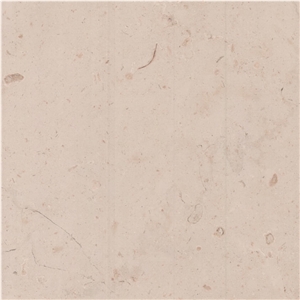
Brecha de St Antonio Limestone

Beige - Limestone

Portugal

About

Item Details

Material Type:
Limestone
Origin:
Portugal (Santo Antônio, São Bento, Leiria)
Primary Color(s):
Beige
Recommended Usage:
Kitchen and bathroom countertops, wash basins, building stone, ornamental stone, stairs, interior, exterior wall and floor applications, mosaic, waterjet pattern, wall panels, table tops, balustrades, columns, wall and pool copings, pool pavers, sculptures, fireplaces
Additional Names:
Santo Antonio Limestone, Breccia de Santo Antonio Limestone, Brecha de Santo Antonio Limestone, Calcaire Brecha de Sto. Antonio, Brecha Maritima Limestone, Brecha S. Antonio Limestone, Brecha Santo Antonio Limestone, Brecha Santo de Antonio Limestone, Brecha de St Antonio Limestone, Brecha de St Antonio
Finished Surface:
Polished,Bush Hammered,Tumbled,Brushed,Honed,Split,Machine Cut,Natural Surface,Sandblasted,Acid Washing,Combed,Leathered,Water Jet,Filled,Chiseled,Pickling

Testing

Water Absorption:
1.8 By volume %
Density:
2358 kg/m3
Flexural Strength:
15.5 - 16.3 MPa
Compressive Strength:
121.2 - 135.8 MPa
Stone texture:
a brecciated natural limestone from Portugal, prized in architecture and interior design for its dramatic look and warm palette. Type: Brecciated limestone — meaning it has angular fragments (clasts) of stone set in a contrasting matrix, giving it a dynamic, mosaic-like appearance. Color Palette: Typically warm beige, cream, tan, rust, and brown tones — the broken fragments contrast with the background for a rich, expressive pattern. Texture: Natural variation and angular pieces create visual depth and character; veins and fragments can range from subtle to bold depending on the block.

Description

Brecha de St Antonio Limestone is a distinctive type of natural stone, originating from Portugal, known for its dynamic brecciated appearance and a warm color palette. It is a popular choice in architecture and interior design due to its striking aesthetic and versatile applications.

Type: Brecciated Limestone: Composed of angular fragments (clasts) of stone set within a contrasting matrix, giving it a dramatic, mosaic-like look.

Color Palette:

  • Warm beige
  • Cream
  • Tan
  • Rust
  • Brown

Texture:

  • Features natural variation with angular fragments.
  • Visual depth and character enhanced by veins and fractures.
  • Fragment patterns may range from subtle to bold.

Physical and Mechanical Properties:

  • Water Absorption: 1.8% by volume
  • Density: 2358 kg/m³
  • Flexural Strength: Between 15.5 - 16.3 MPa
  • Compressive Strength: Between 121.2 - 135.8 MPa
  • Hardness: Typically rated using Mohs scale, usual for limestone (requires specific tests for precise value).
  • Porosity: Relatively low, contributing to durability and resistance to wear.
  • Slip Resistance: Depends on the surface finish; honed or polished surfaces may be less slip-resistant compared to textured finishes.

Chemical and Mineral Composition:

  • Limestone primarily composed of calcium carbonate (CaCO₃).
  • Minor amounts of clay, quartz, feldspar, and iron oxides contribute to its color variations.

Usage:

  • Suitable for both interior and exterior applications.
  • Frequently used in flooring, wall cladding, countertops, facades, and decorative elements.
  • Also popular for its ornamental use in sculptures and feature walls.

Maintenance:

  • Requires regular cleaning with pH-neutral solutions to prevent etching and staining.
  • Periodic sealing recommended to enhance longevity and maintain appearance.
  • Avoid acidic cleaners that can damage the stone surface.

Common Surface Finish Options:

  • Polished: A glossy, reflective finish that enhances the stone’s color and veining.
  • Honed: A smooth, matte finish providing a softer, natural look.
  • Brushed: Adds a textured, aged appearance for a rustic feel.
  • Sandblasted: A slightly rough texture for a slip-resistant surface.
  • Tumbled: An aged, weathered appearance with rounded edges.

In summary, Brecha de St Antonio Limestone is highly valued for its aesthetic appeal and robust physical properties. Its warm tones, combined with the dynamic brecciated patterns, make it a desirable choice for various high-end architectural and design projects. Regular maintenance will ensure its beauty and functionality are preserved over time.

FAQ

Can Portugal's Brecha de St Antonio Limestone be used in a bathroom?

Yes, Portugals Brecha de St Antonio Limestone can be used in a bathroom. Limestone is a popular choice for bathroom applications due to its natural beauty and durability. It can be used for various purposes in a bathroom, such as as flooring, wall tiles, shower surrounds, countertops, and sink basins. However, it is important to note that limestone is a porous natural stone, so it may require regular sealing to protect it from water damage and staining. Additionally, it is advisable to consult with a professional to ensure proper installation and maintenance of the stone in a bathroom setting.

Can Portugal's Brecha de St Antonio Limestone be used exterior applications in hot climates?

The answer to this question depends on the specific composition and characteristics of the Portugals Brecha de St Antonio limestone. However, in general, limestone is a natural stone that can be used in exterior applications in hot climates. Limestone is known for its durability and resistance to weathering, making it suitable for use in various outdoor areas such as facades, pathways, and landscaping features. It can withstand high temperatures and exposure to sunlight without significant degradation. However, it is important to note that different types of limestone may have different porosity levels and mineral compositions, which can affect their performance in hot climates. Some limestones may be more prone to moisture absorption, which can lead to issues such as cracking or spalling when subjected to freeze-thaw cycles in colder regions. It is recommended to consult with a local stone supplier or architect who can provide specific information about the natural stones characteristics and suitability for hot climates. Additionally, proper installation techniques and regular maintenance will also contribute to ensuring the longevity and performance of limestone in exterior applications.

How thick is Portugal's Brecha de St Antonio Limestone slabs?

The thickness of the Brecha de St Antonio Limestone slabs in Portugal can vary, but they are typically available in thicknesses ranging from 2 cm (0.8 inches) to 3 cm (1.2 inches) for standard slabs used in construction and architectural applications. However, custom thicknesses may also be available upon request.

Can Portugal's Brecha de St Antonio Limestone be used in landscaping?

Yes, Portugals Brecha de St Antonio Limestone can be used in landscaping. Limestone is a versatile natural stone that is commonly used in landscaping projects. It can be used for various purposes such as garden paths, patios, retaining walls, and even for decorative elements like sculptures and fountains. The unique characteristics of the Brecha de St Antonio Limestone, such as its colors and patterns, can add a distinctive aesthetic appeal to landscaping designs.

What grade is Portugal's Brecha de St Antonio Limestone?

The Brecha de S?o Bento Limestone formation in Portugal is typically classified as a Lower Jurassic geological unit, which corresponds to the Toarcian stage. This classification would correspond to an approximate age of around 180 to 174 million years.

Are there color variations of Portugal's Brecha de St Antonio Limestone?

Yes, there are color variations of Portugals Brecha de St Antonio Limestone. The most common colors are beige, pink, and red. However, there may also be variations of gray, brown, and yellow in the stone. The color variation depends on the location and depth at which the stone is quarried.

Is Portugal's Brecha de St Antonio Limestone an expensive stone?

I do not have access to real-time market prices, but in general, the price of Portugals Brecha de St. Antonio Limestone can vary depending on factors such as availability, quality, location, supplier, and demand. However, Portuguese limestones are typically considered high-end natural stones, so they may be more expensive than other types of limestone. It is recommended to check with local stone suppliers or dealers for current prices.

Products & Prices

Hot Beige Limestone

New Limestone

Post Your Request

The request includes:
  1. surface finished, size
  2. quantity required